Is It Normal to Feel Pressure After a Tooth Implant
Is It Normal to Feel Pressure After a Tooth Implant
**Is It Normal to Feel Pressure After a Tooth Implant?**
Dental implants have become a popular solution in Thailand for replacing missing teeth, offering both durability and a natural look. Whether done in Bangkok’s modern dental clinics or in smaller provincial towns, implants are seen as a long-term investment in oral health. But after the procedure, many patients wonder: *Is it normal to feel pressure after a tooth implant?* Let’s explore this in detail, so you know what to expect and when to seek professional advice.
### Understanding Tooth Implant Procedures
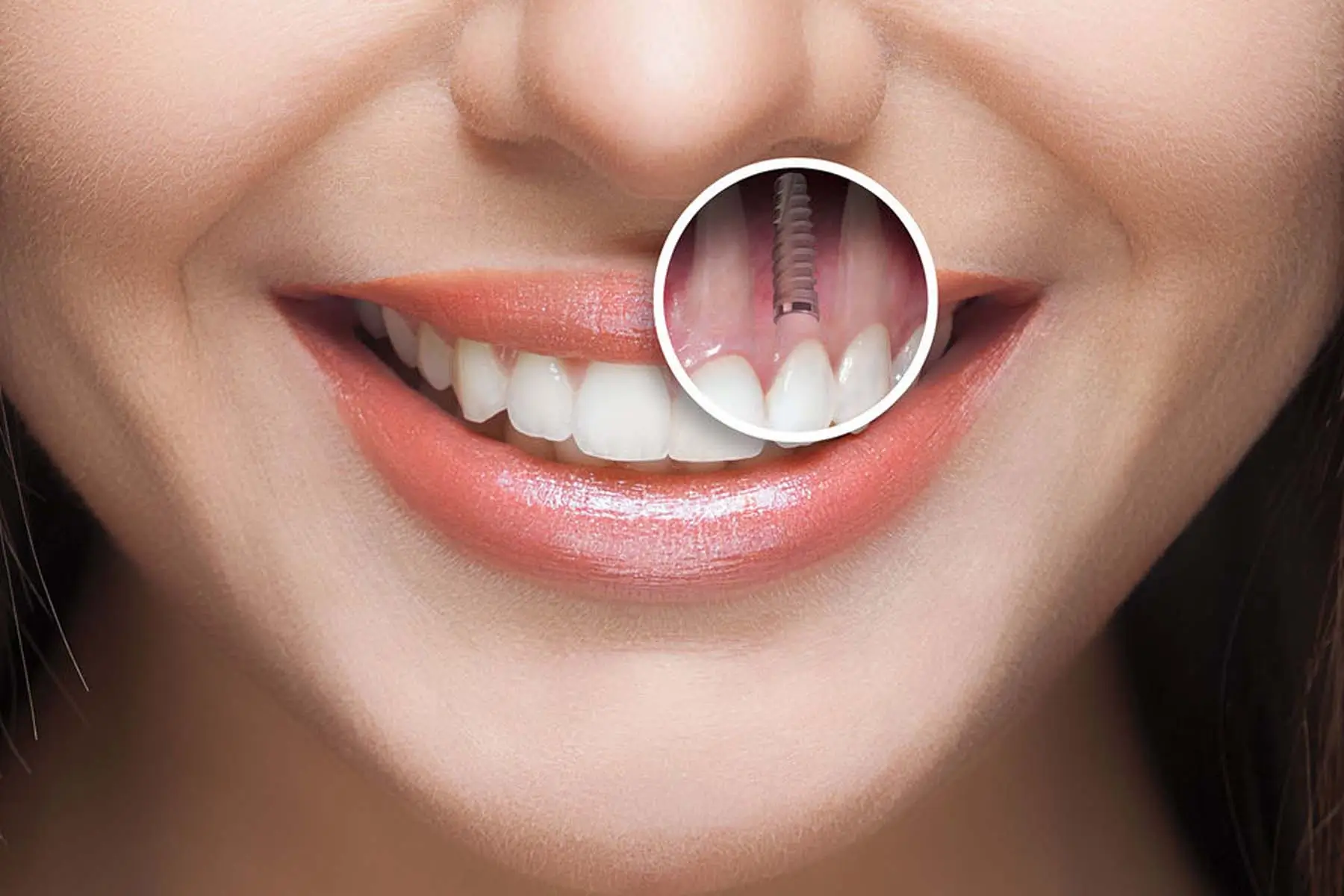
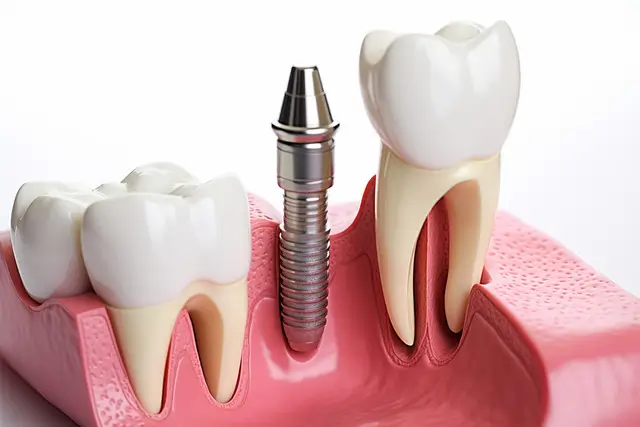
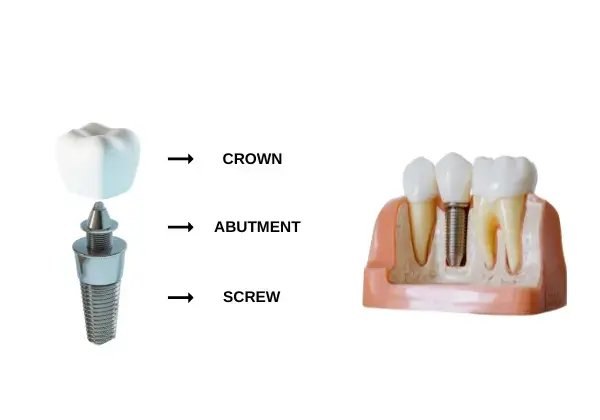
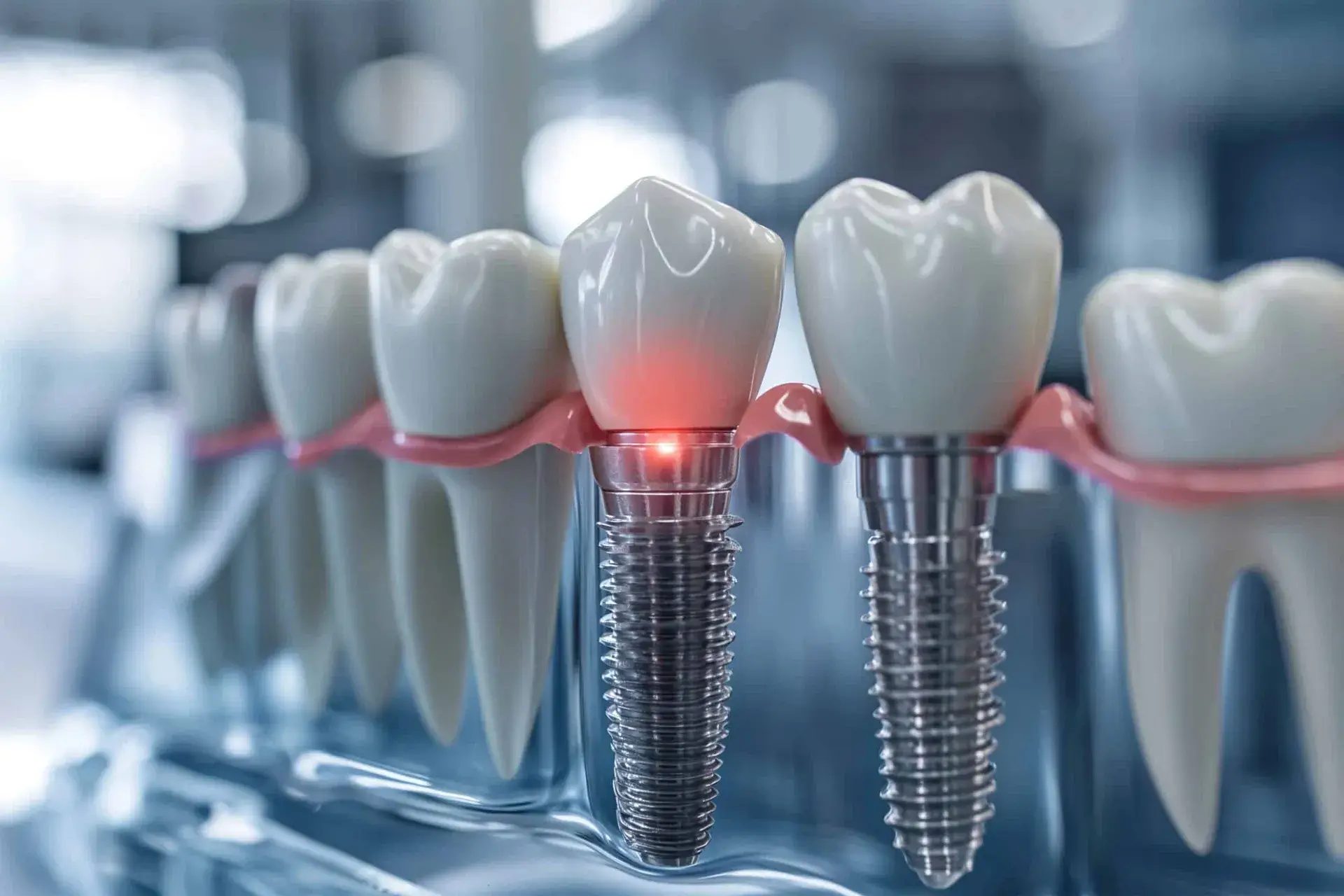
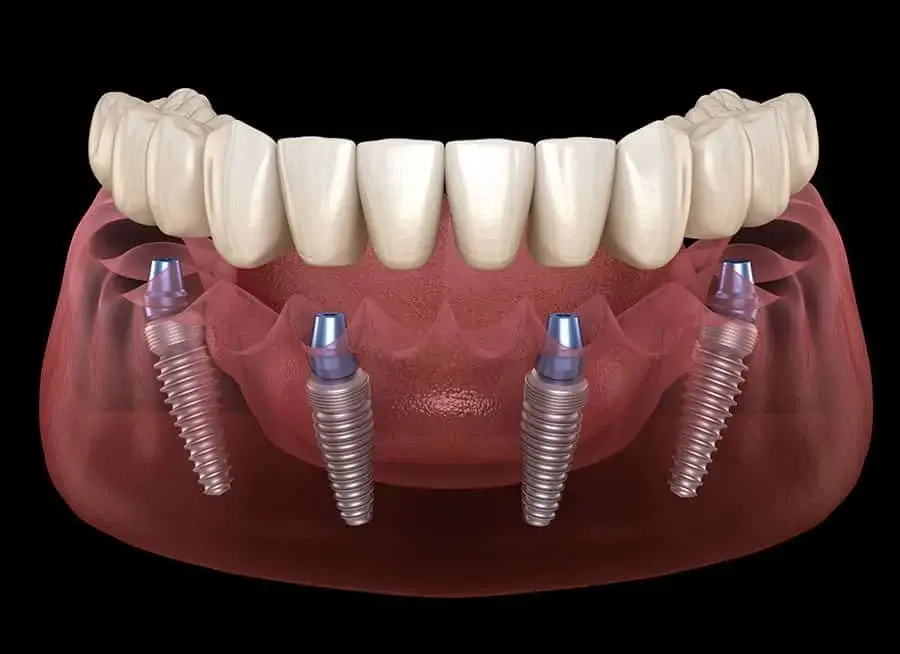
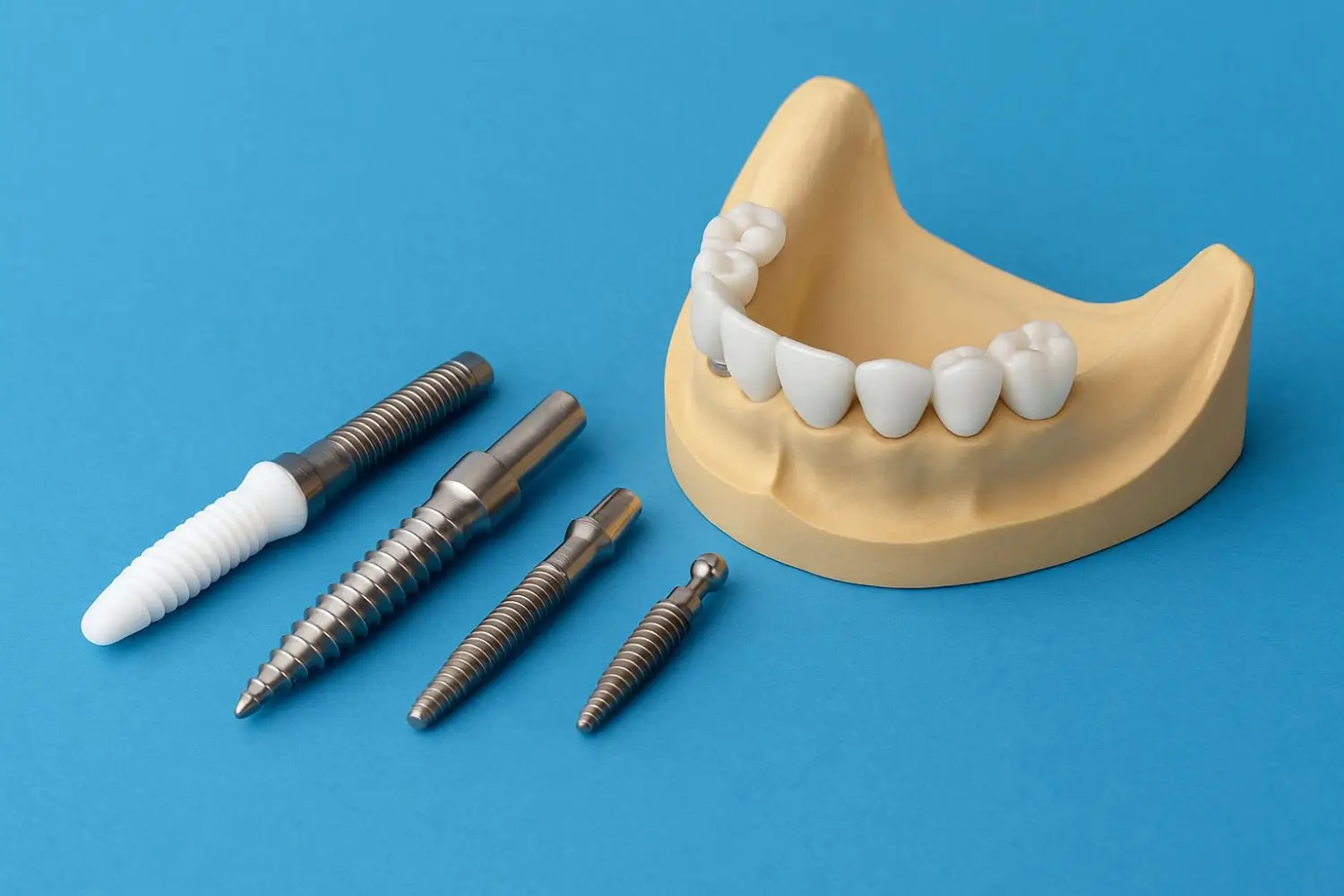
A tooth implant involves placing a small titanium post into the jawbone to act as a replacement root. This is followed by the attachment of an abutment and finally a crown that looks just like a natural tooth. The process may happen in one day for some patients, or over several months if the bone needs time to heal and integrate with the post — a process called “osseointegration.”
Because this treatment involves surgery, feeling something unusual in your mouth afterwards is quite common. But it’s important to know which sensations are part of normal healing and which may signal a problem.
### Why You Might Feel Pressure After a Tooth Implant
**1. Healing Process**
In the days after surgery, you may feel some pressure or tightness around the implant site. This usually happens because the surrounding tissues are adjusting, and the area is slightly swollen. In Thailand’s warm climate, healing can sometimes feel faster for soft tissue, but pressure may still last for a couple of weeks.
**2. Bone Integration**
As the implant fuses with your jawbone, your mouth may feel different. Some people describe it as a “full” feeling around the tooth, especially when they bite down gently. This is often a good sign — it means the implant is stabilising.
**3. Gum Adaptation**
Your gums need time to contour around the new implant. During this period, slight sensitivity or pressure is normal. In local Thai dental practices, dentists often advise patients to chew on the opposite side for the first week to reduce any strain.
**4. Bite Adjustment**
If you’ve had other dental work along with the implant, your bite might feel different. Your teeth are adjusting to the new alignment, so a little pressure when chewing is expected until everything settles.
### When Pressure Is Normal vs. When It’s a Concern
**Normal Pressure Signs:**
- Mild discomfort or tight feeling for 1–2 weeks after the procedure
- Sensation that the tooth is “different” without sharp pain
- Slight swelling that reduces day by day
- Occasional tenderness when chewing harder food
**Possible Warning Signs:**
- Pressure turning into severe pain after several days
- Swelling that increases instead of decreasing
- Persistent gum bleeding or pus
- A loose feeling in the im
plant
If you experience any of the warning signs, contact your dentist immediately. In Thailand, most dental clinics offer follow-up appointments within the first month to ensure healing is on track.
### How to Ease Pressure and Support Healing
**Follow Your Dentist’s Instructions**
Your dentist may recommend soft foods like rice porridge, boiled vegetables, and fish for the first few days. This helps reduce any chewing stress on the implant.
**Maintain Good Oral Hygiene**
Keep the area clean without brushing too harshly near the implant site. Thai dentists often suggest rinsing with a mild saline or antibacterial mouthwash twice a day.
**Avoid Hard or Sticky Foods**
In Thai cuisine, foods like grilled pork or sticky rice can be challenging for new implants. Wait until you get your dentist’s approval before returning to chewy or crunchy dishes.
**Stay Hydrated**
Drinking enough water helps reduce swelling and supports faster healing. Avoid drinking through a straw in the first few days to prevent extra pressure on the implant site.
**Manage Swelling**
An ice pack applied externally to the cheek for short intervals can relieve pressure. In Thailand’s hot weather, this also gives a nice soothing sensation.
### How Long Should the Pressure Last?
For most patients, mild pressure usually fades within 1–3 weeks. If bone grafting was part of the procedure — sometimes done in cases where the jawbone is not strong enough initially — the sensation might persist slightly longer. After complete healing, you shouldn’t feel constant pressure, although occasional awareness of the implant is normal when biting into harder foods.
### Keeping Your Implant Healthy
Once your implant settles, it should feel and function like a natural tooth. Regular dental check-ups every 6 months are important, and in Thailand these visits are often quick and affordable compared to many other countries. Daily brushing, careful flossing, and avoiding habits like opening bottle caps with your teeth will keep your implant in good condition.
### Final Thoughts
Feeling pressure after a tooth implant is often a normal part of the recovery process, especially in the first few weeks. Your body is simply adapting to a new structure in your mouth. However, listen carefully to your own symptoms — normal pressure should gradually decrease, not increase.
If something feels wrong, especially if pain or swelling worsens, don’t wait. Contact your dentist promptly. Modern dental care standards in Thailand mean that most issues, when addressed early, can be resolved without long-term effects.
Your implant is a valuable investment in your smile, and with proper care, it should serve you well for years to come. By understanding what’s normal after the procedure, you can approach your healing period with confidence and peace of mind.