Dental Implant Infection Warning Signs You Should Watch
Dental Implant Infection Warning Signs You Should Watch
**Dental Implant Infection Warning Signs You Should Watch**
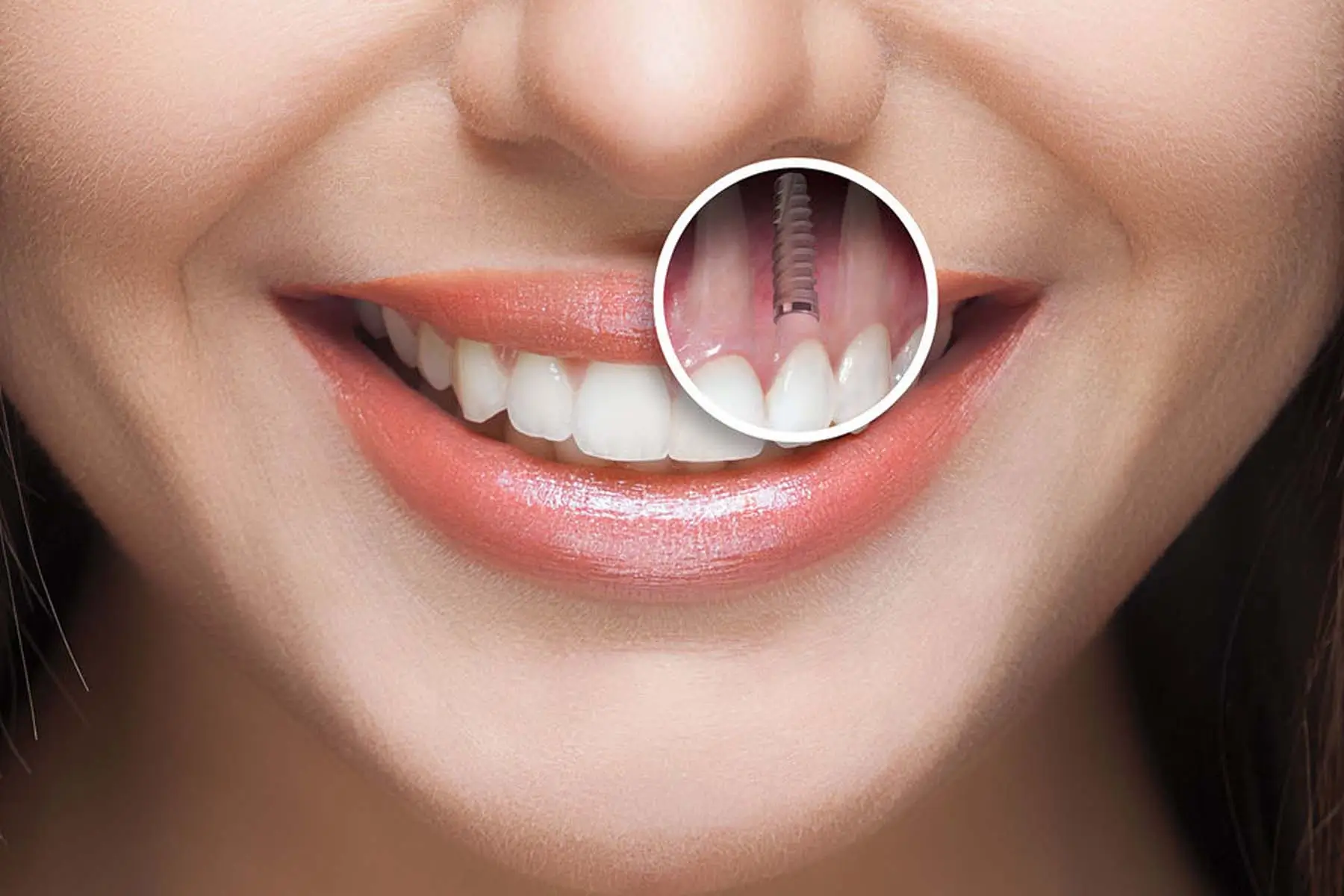
Dental implants have become a popular choice in Thailand for replacing missing teeth because they look natural, feel comfortable, and last for years when cared for properly. Many people invest in this advanced dental treatment without much trouble, but like any surgical procedure, there are certain risks – and one of the most significant is infection around the implant site.
Knowing the early warning signs of dental implant infection can help you act quickly, seek timely dental care, and prevent more serious complications. In this article, we will discuss the common symptoms, possible causes, and preventive steps in a way that feels easy to understand and relevant to everyday life in Thailand.
---
### Why Infection Can Happen After Dental Implant Surgery
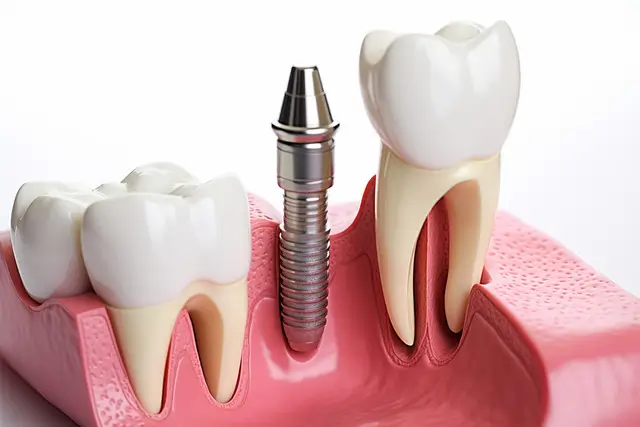
Even when done by a skilled dentist, dental implants involve placing a titanium post into your jawbone. After surgery, your gums and surrounding tissues need time to heal. Infection may occur if bacteria enter the surgical area, either immediately after the procedure or even months later.
Some common causes of infection include:
- Poor oral hygiene after the procedure
- Smoking, which delays healing
- Uncontrolled diabetes, which makes it harder for wounds to heal
- Ignoring scheduled dental follow-up visits
- Eating hard or sticky foods too soon, causing irritation
In Thailand’s warm and humid environment, bacteria grow quickly, so keeping the implant site clean is even more important.
---
### Early Warning Signs You Should Not Ignore
Spotting infection early can save your implant and prevent further issues. Here are some signs to watch out for:
**1. Persistent Swelling**
Some swelling is normal after dental implant surgery, especially in the first few days. But if the swelling continues or gets worse after a week, it could be a sign that infection is developing.
**2. Redness Around the Gum**
Healthy gums around the implant should look pink and firm. If they appear red, inflamed, or shiny, it may indicate that bacteria are irritating the tissues.
**3. Pain That Doesn’t Improve**
Mild discomfort right after surgery is expected, but pain should gradually reduce over time. If your pain increases or becomes more intense, it could mean the implant site is infected.
**4. Pus or Discharge**
The presence of yellow or white discharge around the implant is a clear sign of infection. This requires immediate dental attention.
**5. Bad Breath or Unpleasant Taste**
Persistent bad breath or a foul taste that doesn’t go away, even with brushing and mouthwash, could be linked to bacterial buildup in the implant area.
**6. Difficulty Chewing**
If your implant feels uncomfortable or unstable when eating, it may be a result of inflammation or bone loss caused by infection.
---
### What You Should Do if You Notice These Signs
If
you see any of the above symptoms, don’t wait to see if they “go away on their own.” Thailand has many well-trained dentists who can examine your implant and take quick action. Early treatment often involves professional cleaning, antibiotics, and adjusting oral hygiene habits. In more severe cases, surgical intervention may be needed to protect your bone and gums.
---
### How to Reduce Your Risk of Implant Infection
Preventing infection is always better than treating it. Here are some practical tips, especially suitable for daily life in Thailand:
- **Follow your dentist’s aftercare instructions** exactly, including how to clean the implant area.
- **Brush and floss carefully** twice a day, paying special attention to areas around the implant.
- **Use antibacterial mouth rinse** as recommended by your dentist.
- **Avoid spicy and sticky foods** in the first few weeks after surgery, as they can irritate healing gums.
- **Stay hydrated** – drinking enough water helps flush bacteria from your mouth, especially in hot weather.
- **Quit smoking** or at least reduce it significantly during the healing period.
- **Attend all follow-up appointments** so your dentist can check healing progress.
---
### Living With Dental Implants in Thailand
Many Thais enjoy the benefits of dental implants – being able to smile confidently, eat their favorite foods, and speak naturally without worrying about dentures slipping. The investment is worth it, but it also comes with the responsibility to maintain proper oral care.
Thailand’s lifestyle, which often includes street food, sweet iced drinks, and rich curries, can sometimes challenge oral hygiene if you’re not cautious. Carrying a travel-sized toothbrush or mouth rinse when you’re out can be helpful, especially after enjoying a meal outside.
---
### When to See a Dentist Immediately
If you experience fever, face swelling, or a sudden loosening of your implant, seek professional help immediately. These are signs that the infection may be spreading beyond the gum line. In rare cases, untreated implant infection can affect general health, including heart and respiratory problems.
---
### Conclusion
Dental implants are a reliable and long-lasting solution for missing teeth, but understanding the warning signs of infection is key to keeping them healthy. In Thailand, where warm weather can encourage bacterial growth, extra care after implant surgery is essential.
Watch out for swelling, redness, pain, pus, bad breath, and chewing difficulty – and never hesitate to contact your dentist if something feels wrong. By staying alert and practicing good oral hygiene, you can enjoy the benefits of your dental implants for many years without worry.
---
If you want, I can further enhance this with **SEO meta description, keyword density optimization, and internal linking strategies**. Do you want me to proceed with that?