How to Clean and Care for Dental Implants at Home
How to Clean and Care for Dental Implants at Home
**How to Clean and Care for Dental Implants at Home**
Dental implants have become a popular choice in Thailand for replacing missing teeth because they look natural, feel comfortable, and can last for many years. But just like natural teeth, implants need proper cleaning and care to keep them in the best condition. Without regular maintenance, gum problems or infection around the implant could occur, reducing its lifespan. Here’s a friendly, step-by-step guide to help you take care of your dental implants at home.
---
### Understanding Dental Implants
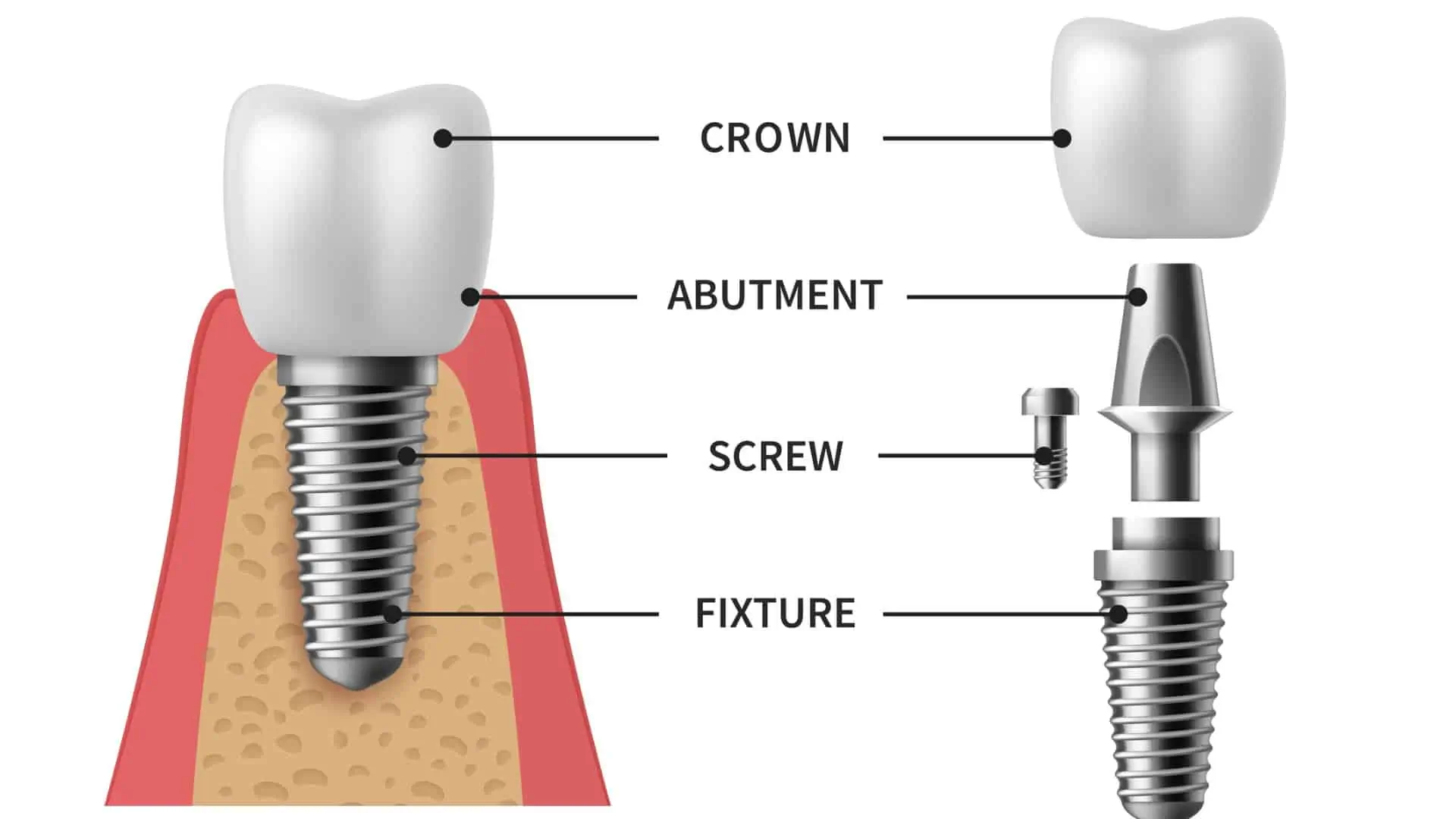
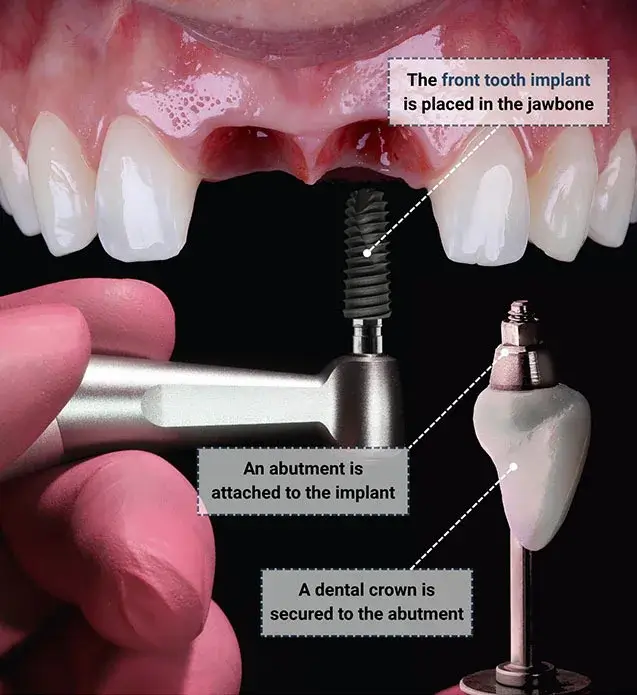
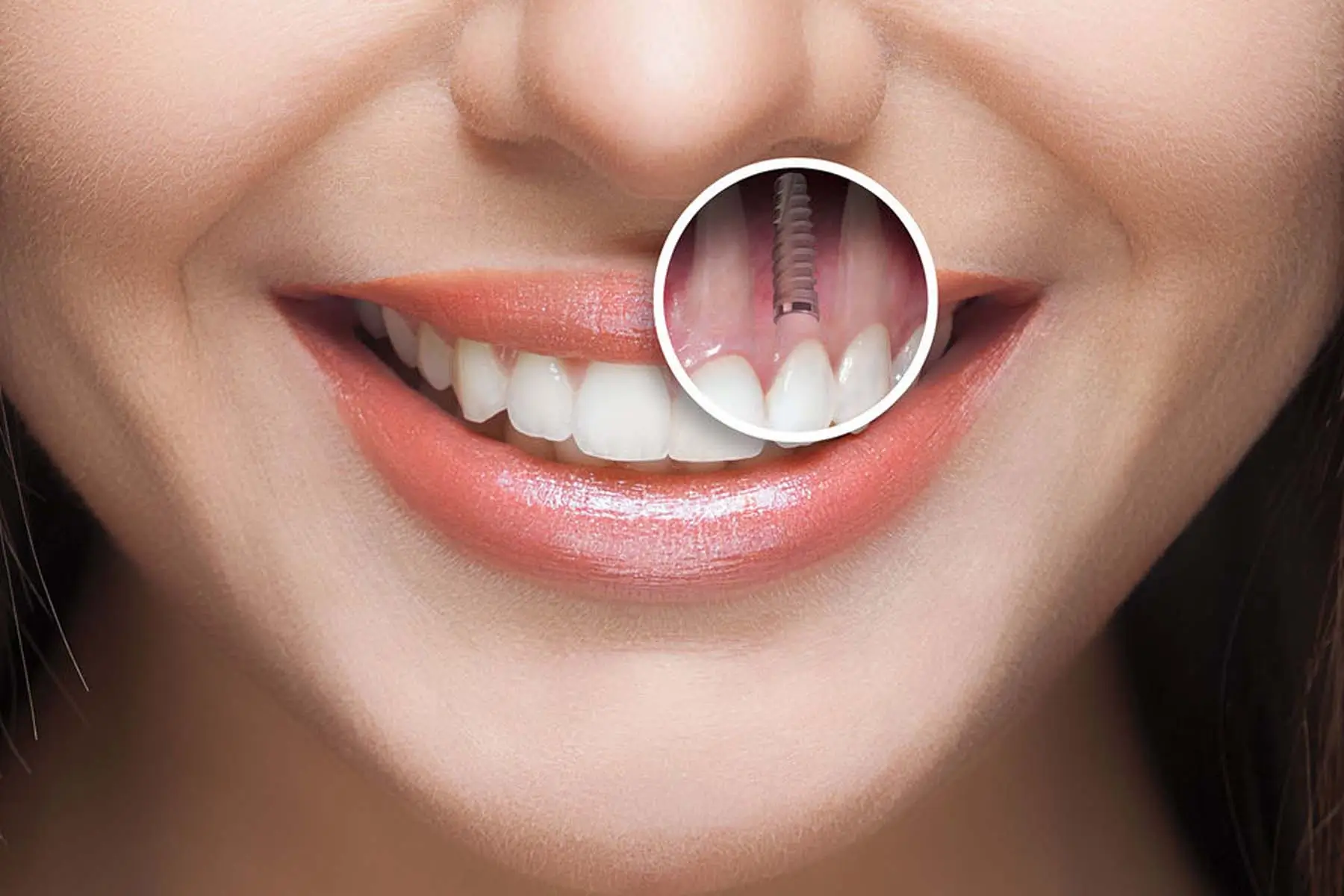
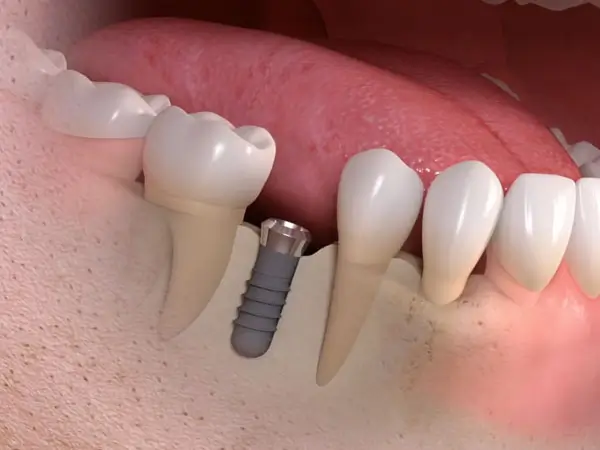
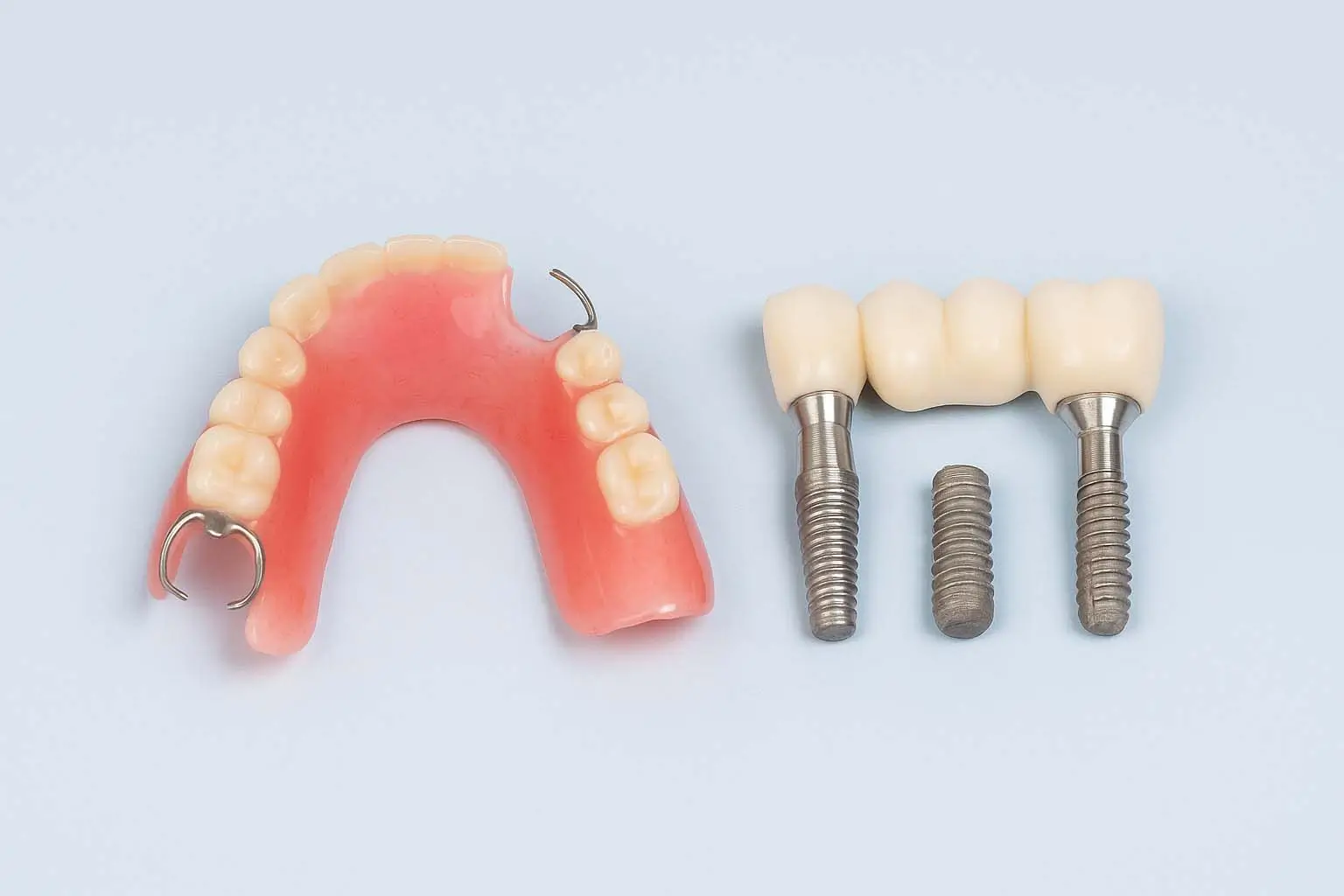
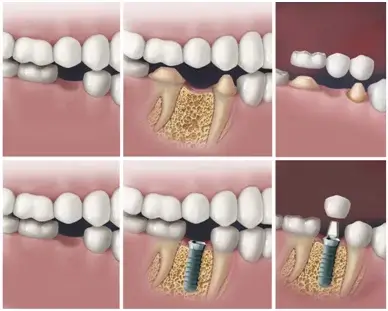
A dental implant is a small titanium post placed into the jawbone, acting like a tooth root. On top of it, a crown or bridge is attached, giving you a complete and functional smile. While the implant itself doesn’t decay like a natural tooth, the gums and bone around it can still be affected by plaque buildup. That’s why a daily cleaning routine is essential.
---
### Daily Cleaning Routine
**1. Brush Gently but Thoroughly**
Twice a day brushing is a must. Use a soft-bristle toothbrush to avoid scratching the implant surface or irritating your gums. Many people in Thailand prefer an electric toothbrush because it makes cleaning easier and more effective. Position your brush at a slight angle to reach the gum line, and spend extra time around the implant area to remove trapped food particles.
**2. Choose the Right Toothpaste**
It’s best to use a non-abrasive toothpaste. Whitening pastes may contain particles that can scratch the crown. Go for gentle formulas specifically made for sensitive teeth or implant care — these are widely available in Bangkok, Chiang Mai, or even smaller provinces.
---
### Flossing and Extra Tools
**1. Dental Floss Designed for Implants**
Regular floss can make it difficult to clean around implants properly. Instead, try implant-specific floss or floss with a spongy section and stiff end. Slide the floss gently around the implant and under the gum line to remove plaque.
**2. Interdental Brushes**
Small interdental brushes are great for reaching tight spaces between your implants and natural teeth. Choose brushes with coated wire to protect the implant’s surface. Many Thai pharmacies stock these in various sizes.
**3. Water Flosser**
If you find flossing tricky, a water flosser can help. It uses a stream of water to flush out debris and bacteria from between teeth and around the gums. Perfect for people with bridge-supported implants or multiple crowns.
---
### Rinsing for Extra Protection
An antibacterial mouth rinse can provide extra protection against gum inflammation. In Thailand’
s warm climate, bacteria can multiply quickly, so rinsing once or twice daily is a good habit. Pick alcohol-free formulas to avoid drying out your mouth. Herbal rinses with ingredients like chamomile or aloe vera are also popular among those looking for a natural option.
---
### Lifestyle Tips for Healthy Implants
**1. Mind Your Diet**
Sticky or very hard foods can put unnecessary pressure on implants. Try to limit chewing ice, sticky sweets, or tough dried squid — a favorite snack in Thailand — as these can loosen or damage the crown. Eating more fresh vegetables, fruits, and calcium-rich foods supports overall gum and bone health.
**2. Stop Smoking**
Smoking reduces blood flow to the gums, which can slow healing and increase the risk of implant failure. Quitting will greatly improve your chances of keeping implants for a lifetime.
**3. Regular Check-ups**
Even with perfect home care, visiting your dentist every 6 months is important. The dentist can check if the implant is stable, spot early signs of gum trouble, and give a professional cleaning to remove hardened plaque, known as tartar.
---
### Common Missteps to Avoid
- **Never use metal tools at home** to scrape your implants. They can scratch the surface and allow bacteria to grow more easily.
- **Skip harsh mouth rinses** with strong alcohol content, as they can irritate the gums.
- **Don’t ignore bleeding gums** around the implant — it could be an early sign of peri-implantitis, a condition similar to gum disease.
---
### Travelling and Implant Care
Many Thais love travelling between provinces or abroad. If you’re on the go, carry a travel toothbrush, small toothpaste tube, and a pack of interdental brushes. In hotel rooms, rinse well after every meal in case brushing immediately isn’t possible. Keeping this habit prevents plaque buildup during your trip.
---
### Conclusion
Caring for dental implants at home doesn’t require complex tools or special skills — just consistent, gentle cleaning every day. Brush with a soft-bristle toothbrush, floss with implant-friendly tools, rinse regularly, and visit your dentist for follow-ups. In Thailand’s humid weather, maintaining good oral hygiene is even more important to protect both your implants and natural teeth.
With the right habits, your dental implants can serve you beautifully for decades, letting you enjoy your favorite Thai dishes and smile with confidence wherever you go.
---
If you want, I can also provide **SEO keywords** and **meta descriptions** optimized for this article so it ranks better on Google. Would you like me to prepare that next?