What Happens If You Delay Replacing a Missing Tooth
What Happens If You Delay Replacing a Missing Tooth
**What Happens If You Delay Replacing a Missing Tooth**
In Thailand, it’s quite common to see people living with a missing tooth for months or even years, thinking it’s “no big deal.” Some may lose a tooth due to an accident on a motorbike, gum disease, or decay and decide to postpone replacement, either for financial reasons or because they believe they can still eat and talk just fine. However, the truth is that delaying treatment can lead to problems far beyond just appearance.
Let’s walk through what can really happen if you ignore a missing tooth and why timely replacement is an investment in your long-term health and confidence.
---
### 1. Changes in Your Bite and Jaw Alignment
When you lose a tooth—whether it’s at the front or back—the surrounding teeth naturally try to shift to fill the gap. This movement might not be noticeable at first. Over time, however, it can alter your bite and cause misalignment of your jaw. In Thailand, dentists often note patients reporting discomfort or difficulty chewing months after losing a tooth without replacement.
The change in bite isn’t just about feeling “off.” Misaligned teeth can cause uneven pressure during chewing, leading to wear and tear, cracking, or even loosening of other teeth. It’s like having one wheel of your car slightly tilted—it affects the whole system.
---
### 2. Bone Loss in the Jaw
One of the less obvious but serious consequences is bone resorption. The jawbone relies on stimulation from tooth roots to maintain its strength and density. When a tooth is missing, that stimulation stops, and the bone begins to shrink in that area.
In Thai dental clinics, this is a common reason why patients who wait too long for an implant need bone grafting first. Bone loss can happen surprisingly quickly—within the first year, significant changes may occur. This not only makes tooth replacement more complicated later but can also change the shape of your face, creating a sunken appearance around the mouth.
---
### 3. Gum Problems and Increased Risk of Decay
A missing tooth creates extra unprotected space in your mouth. Food particles tend to accumulate more easily, and the gum tissue there can be more vulnerable to infection. If the surrounding teeth shift or tilt towards the empty space, it can create hard-to-clean areas, increasing the risk of cavities and gum disease.
Many Thais experience “gingivitis” or even “periodontitis” after months of leaving a gap, simply because brushing in that area becomes less effective. Gum problems not only cause discomfort but can also put your remaining teeth at risk.
---
### 4. Difficulty Chewing and Digestive Issues
In Thailand, food culture is all about sharing plates of som tum, grilled seafood, and sticky rice. Losing even one molar can subtly change how you chew, especially tough or crunchy foods. You might start relying on one side of your mouth, which can cause muscle discomfort, or you may swallow food in larger
pieces, putting strain on your digestive system.
Over time, incomplete chewing can lead to poor digestion, bloating, and even nutrient deficiencies because your body processes food less efficiently. Something as small as a single missing tooth can set off health effects you wouldn’t expect.
---
### 5. Changes in Speech and Confidence
Speech changes can be noticeable if the missing tooth is in the front. Certain sounds—especially “th” or “s”—can become harder to pronounce. In Thai-English conversation, it might mean your words feel less clear, which can cause self-consciousness in social or work settings.
Beyond speech, a gap in your smile can affect confidence. In Thailand, where smiles matter in daily life and business interactions, people often feel hesitant to laugh openly or take photos. This emotional impact can build over time, leading to changes in how you interact with others.
---
### 6. More Complicated Treatment Later
One common saying among Thai dentists is: “The longer you wait, the harder it gets.” If you replace a missing tooth soon after loss, procedures like dental implants or bridges are relatively straightforward. But if you delay for years, bone loss, gum changes, and tooth shifting can require more complex work—sometimes involving bone grafts, orthodontics, or multiple restorations.
Waiting might seem like a way to “save money” now, but later treatment is often more expensive and takes longer. Thinking ahead can save both your wallet and your comfort.
---
### Options for Tooth Replacement
If you decide not to delay, there are several good options available in Thailand:
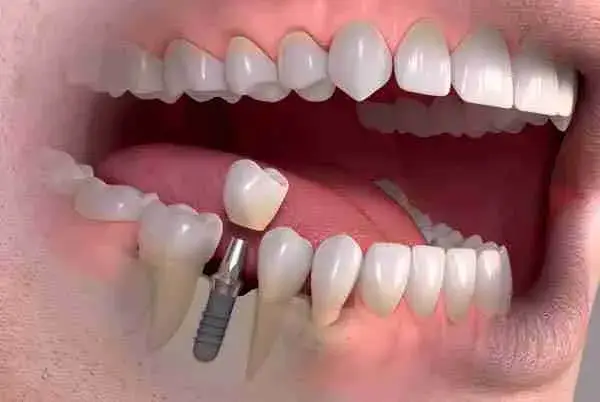
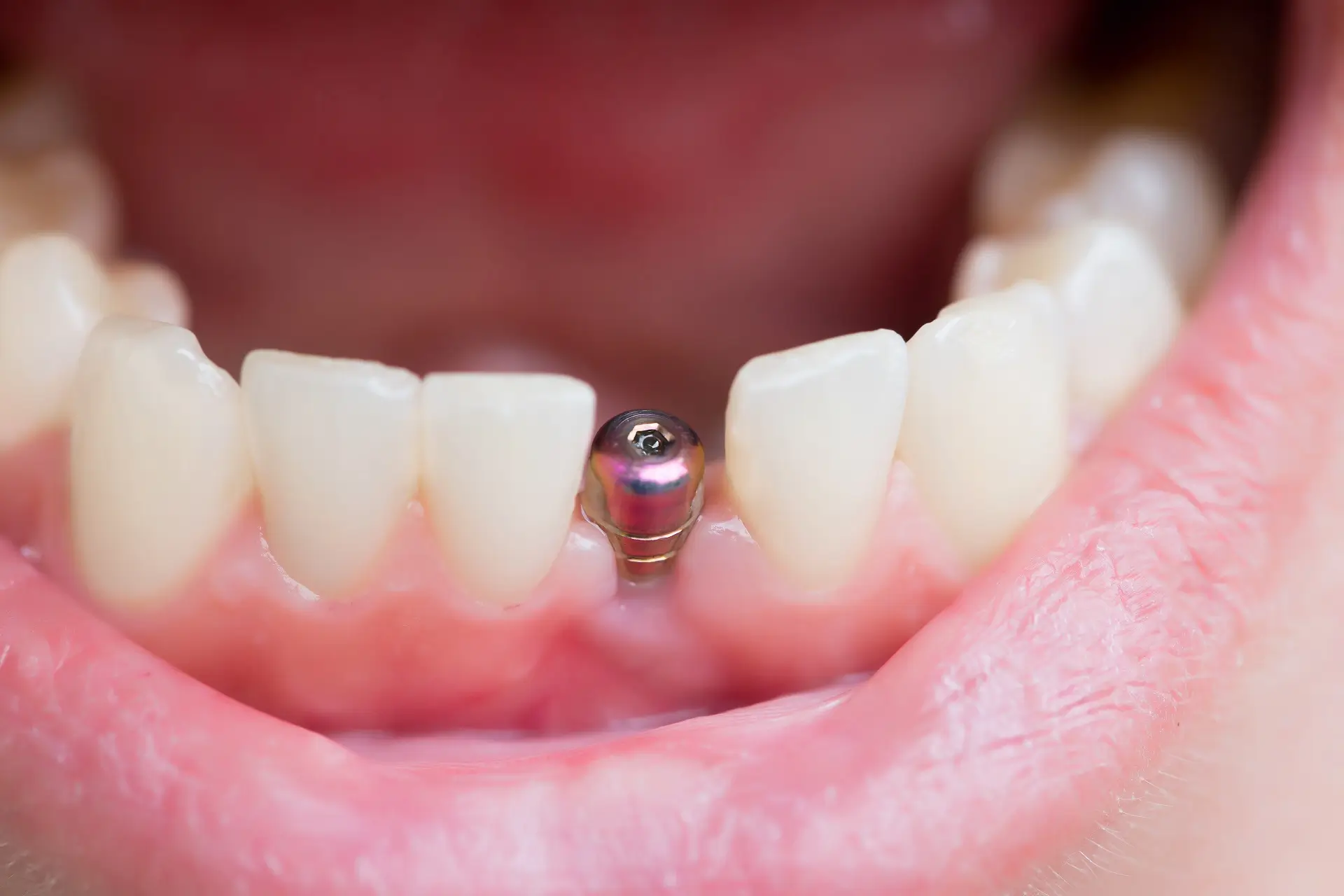
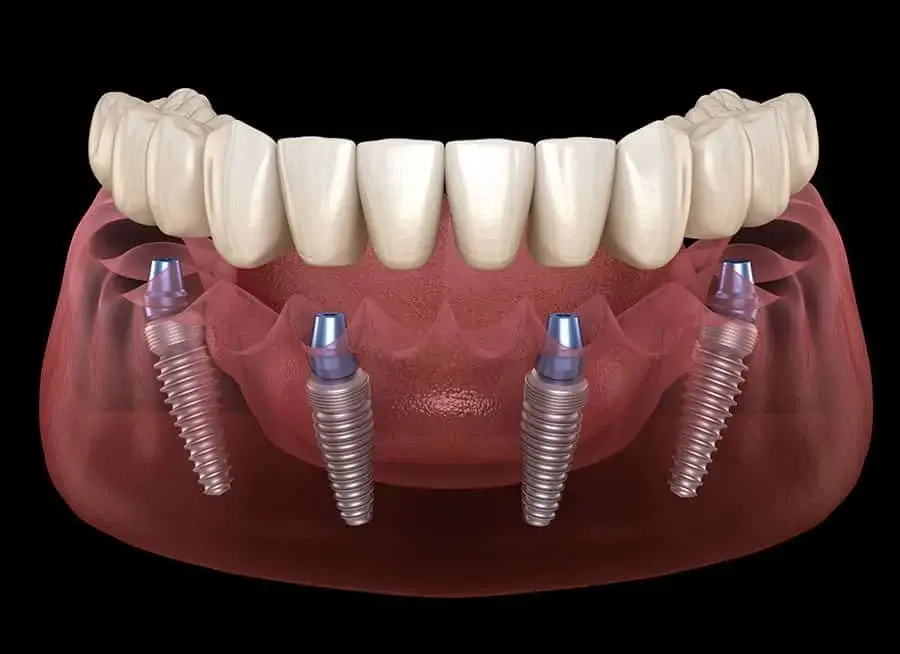
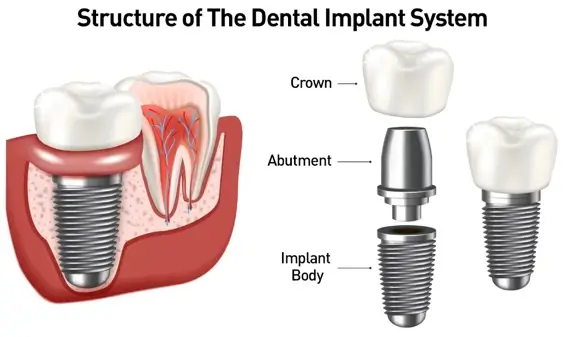
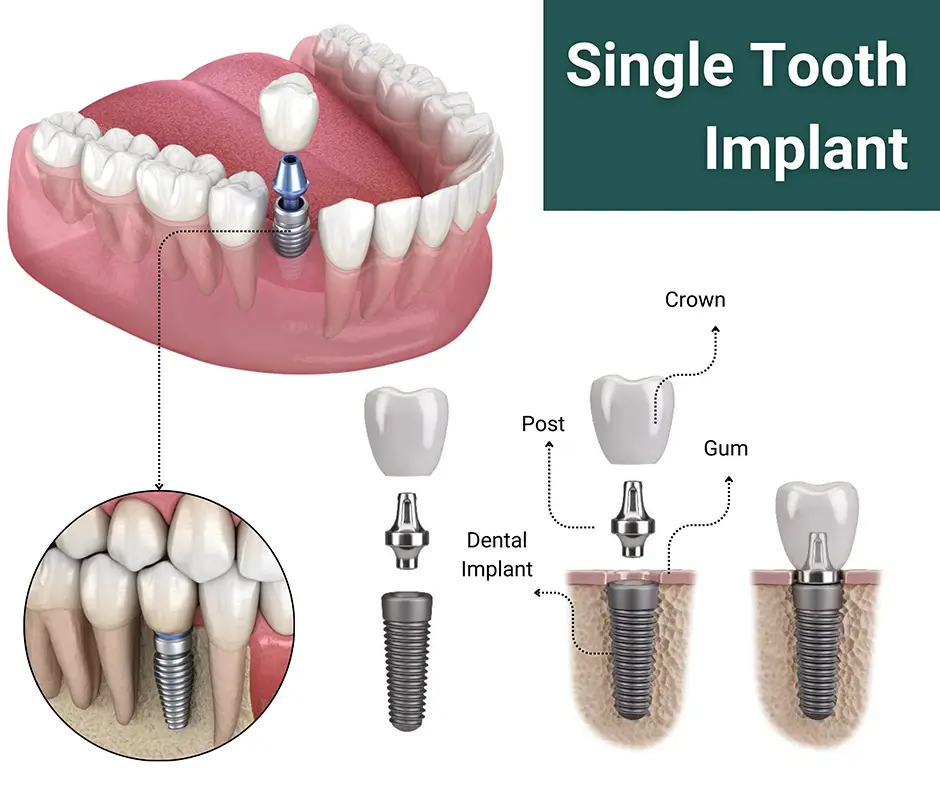
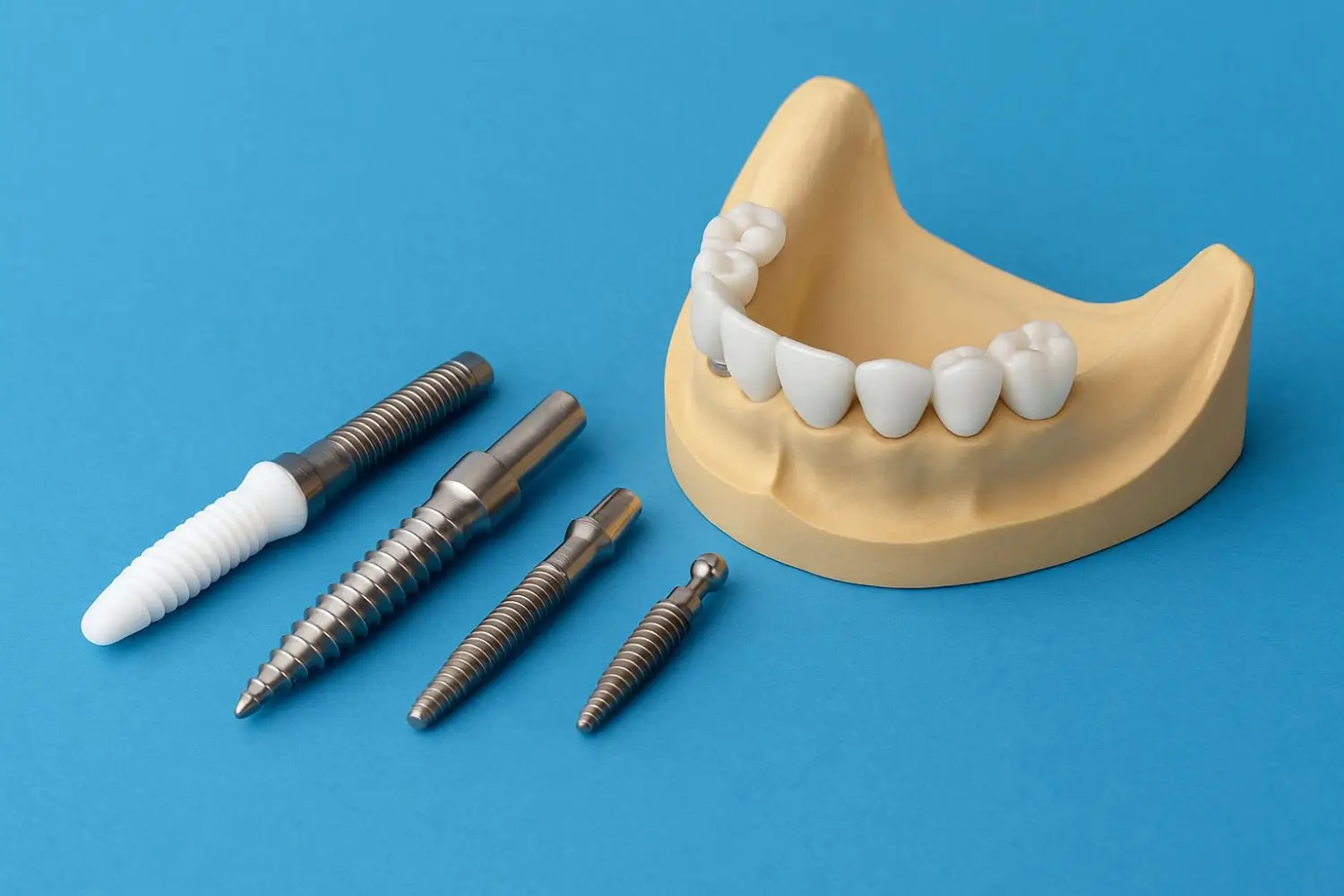
- **Dental Implants**: A long-term, natural-looking solution that replaces the tooth root and crown. Great for maintaining jawbone health.
- **Dental Bridges**: A fixed option that uses neighboring teeth for support. Works well if the surrounding teeth are healthy.
- **Partial Dentures**: A removable, budget-friendly choice, especially if multiple teeth are missing.
Each method has its pros and cons, and local dentists can guide you on which suits your condition, lifestyle, and budget.
---
### Final Thoughts
Delaying the replacement of a missing tooth may seem harmless at first, but the effects are progressive and often irreversible. From bone loss to bite changes, from chewing problems to dented confidence, the consequences touch every aspect of health and daily life.
In Thailand, where dental technology is advanced and options are more accessible than ever, replacing a missing tooth is no longer just a luxury—it’s a crucial step in preserving your smile and overall well-being. Acting sooner rather than later is the best way to protect your health, save costs in the long run, and maintain the confidence that comes with a complete, healthy set of teeth.
---
Would you like me to also craft **SEO meta title and meta description** for this article so it ranks better on Google? That would make it fully optimized.