What Daily Habits Affect Your Implant Longevity
**What Daily Habits Affect Your Implant Longevity**
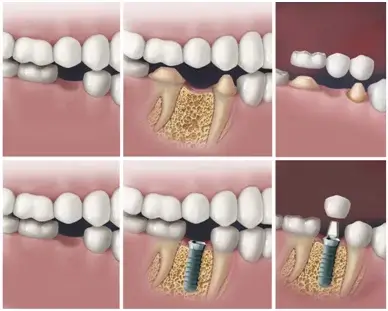
Dental implants have become a popular choice for replacing missing teeth in Thailand. They look natural, feel comfortable, and can last for many years—if you take care of them properly. While implants are designed to be strong and durable, their lifespan can be influenced by the small things you do every day. Just like a car or a home, regular care and healthy habits make a big difference. Let’s explore the daily habits that can help, or harm, your implant longevity.
---
### **1. Brushing and Flossing Twice a Day**
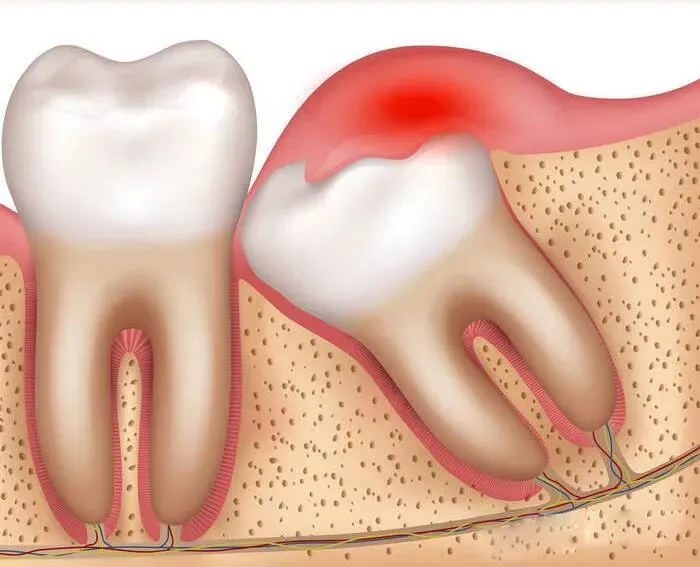
One of the best ways to keep your implants lasting for years is maintaining good oral hygiene. Even though implants are not real teeth, they still need the surrounding gums and bone to be healthy. Plaque and bacteria can build up around the implant, leading to gum problems such as peri-implantitis.
In Thailand, many people brush once in the morning and often forget at night. But brushing and flossing twice a day—morning and before bed—will keep food particles and bacteria away. Using a soft-bristled toothbrush and non-abrasive toothpaste helps protect both natural teeth and the surface of your implant. Flossing or using interdental brushes can clean the tight spaces where your toothbrush can’t reach.
---
### **2. Choosing Implant-Friendly Food**
Food choices matter more than you might think. While Thailand offers many delicious options, some habits can stress your implants. Crunchy snacks like fried pork skin or hard candies can put extra pressure on the implant crown, possibly causing chips or cracks. Sticky foods can cling to the surface, increasing the risk of plaque build-up.
Opt for softer, nutrient-rich foods that support gum and bone health. Incorporating fresh vegetables, fruits, fish, and dairy into your meals not only keeps you healthy overall but also provides calcium and vitamin D for strong bones. And remember, chewing betal nut—a habit in some parts of Asia—can be harsh on implants and natural teeth alike.
---
### **3. Avoiding Smoking and Excessive Alcohol**
It’s widely known that smoking affects oral health, yet many still underestimate its impact on implants. Nicotine reduces blood flow to the gums, slowing down the healing process after implant surgery and increasing the risk of gum disease. In Thailand, where social drinking may be part of gatherings, it’s worth noting that excessive alcohol can also hinder healing and promote inflammation in the gums.
If quitting smoking feels difficult, consider reducing gradually and seeking professional help. Limiting alcohol intake and opting for water or herbal drinks during meals can benefit not only your implant health but your overall well-being.
---
### **4. Regular Dental Check-Ups**
Even if your implant feels fine, regular dental visits are essential. Dentists in Thailand often recommend check-ups every six months. This helps catch early signs of gum infection or bite problems before they become serious.
Implants need careful monitoring to ensure they are integrating well with the bone. Your dentist can professionally clean areas you
may miss at home and give you tailored advice based on your specific implant model and position. Skipping dental appointments may save time now, but could cost more if problems develop later.
---
### **5. Managing Teeth Grinding**
Grinding your teeth, or bruxism, is a habit that can damage both natural teeth and implants. Many people in Thailand grind their teeth unknowingly during sleep. This habit creates excessive force on the implant, risking loosening or wear of the crown.
If you notice jaw pain in the morning or your partner hears grinding sounds at night, consult your dentist. A custom night guard can reduce pressure and protect your implants. Stress management techniques, such as meditation or traditional Thai massage, can also help.
---
### **6. Staying Hydrated**
The tropical climate in Thailand can sometimes lead to dehydration, especially if you spend time outdoors. A dry mouth allows bacteria to grow faster. Saliva plays a key role in keeping your mouth clean and maintaining a healthy environment for implants.
Make it a habit to drink plenty of water throughout the day. This not only supports oral health but also helps your digestive system and skin stay in good condition. Avoiding sugary drinks or reducing sweet iced tea and soda can further protect both implants and natural teeth.
---
### **7. Consistent Cleaning Routine for Dentures or Adjacent Teeth**
If you have dentures alongside implants—common among Thai patients after partial tooth loss—daily cleaning becomes even more important. Dentures can trap food and bacteria, which may spread to your implants. Use recommended cleansers and follow the dentist’s guidelines for proper care.
For people with bridges connected to implants, careful brushing around the bridge area is crucial to prevent gum inflammation. Being disciplined with cleaning routines will keep your whole mouth healthier.
---
### **8. Practicing Gentle Habits**
Simple daily actions also influence implant longevity. Using your teeth to open packages or bite on pen caps is risky. These habits can cause fractures or damage to the crown. Getting into the habit of treating your teeth gently ensures that the implant doesn’t face unnecessary pressure.
Even small changes—like chewing on the opposite side if something feels hard or avoiding biting fingernails—can reduce stress on the implant in the long run.
---
### **Conclusion**
In Thailand, dental implants have given many people back their confidence and comfort. But their longevity depends on how you care for them every day. Brushing and flossing regularly, making smart food choices, avoiding harmful habits like smoking, visiting your dentist, and staying hydrated all contribute to keeping implants stable for years.
Think of implants as part of your body—they deserve the same daily attention you give to your health in general. Gentle care, healthy choices, and regular check-ups will help you enjoy your beautiful smile for the long term. By making these habits part of your lifestyle, your implants can last for decades, letting you eat, smile, and speak comfortably without worry.
 collect
Hospitals included




Products included
Suggested reads