How Soon Can You Eat After Dental Implant Procedure
How Soon Can You Eat After Dental Implant Procedure
**How Soon Can You Eat After Dental Implant Procedure**
Getting a dental implant can feel like a big step toward restoring your smile and confidence. Many people in Thailand choose dental implants for their long-lasting results and natural look. But one of the most common questions patients ask right after surgery is: **“How soon can I eat after a dental implant procedure?”**
If you have the same question, you’re not alone. Eating after any dental work can feel tricky, and with implants, it’s important to follow the right steps so your new tooth has the best chance to heal properly. In this article, we’ll walk you through what to expect, how to manage meals after surgery, and some local tips to make recovery smoother.
---
### Understanding the Healing Process
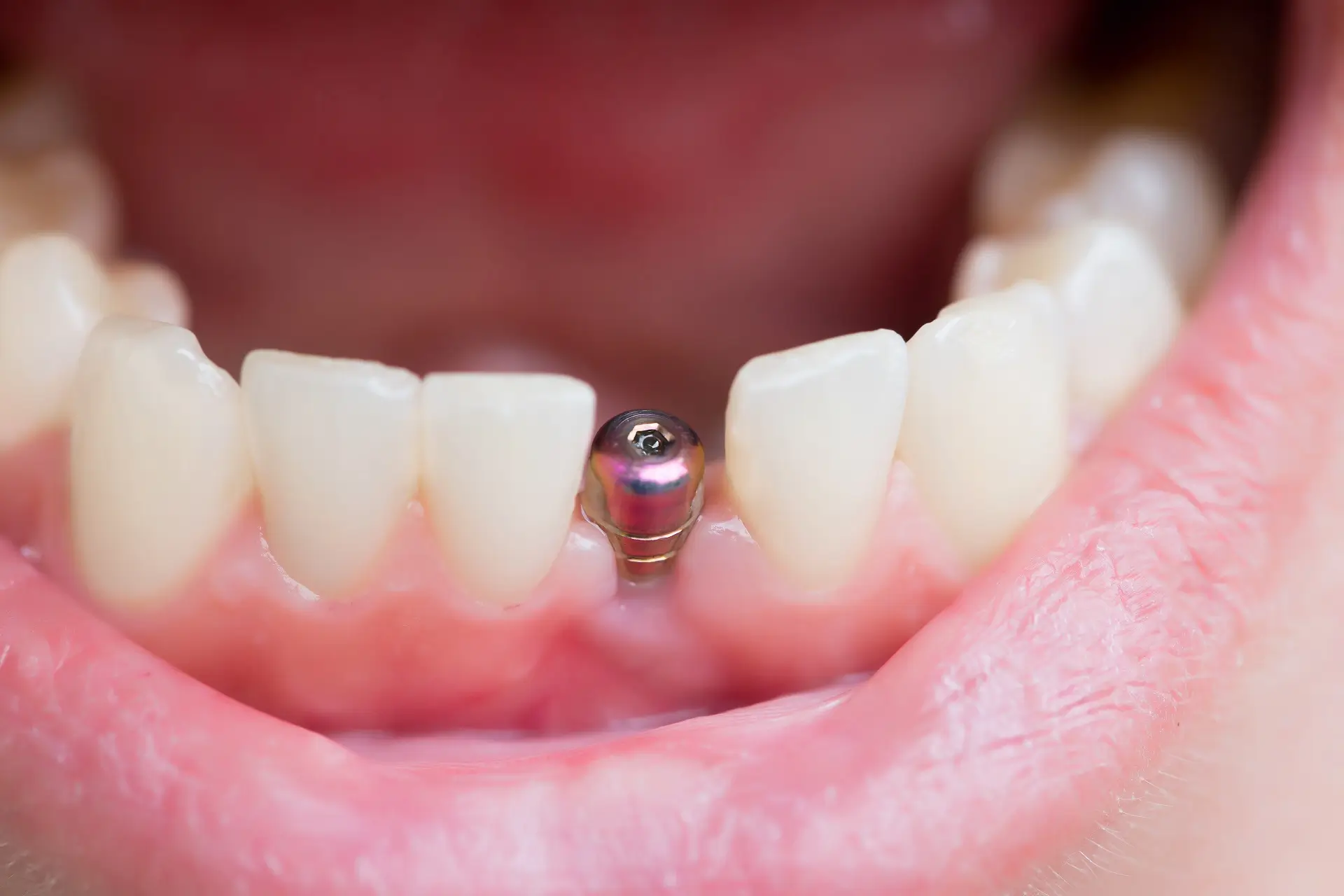
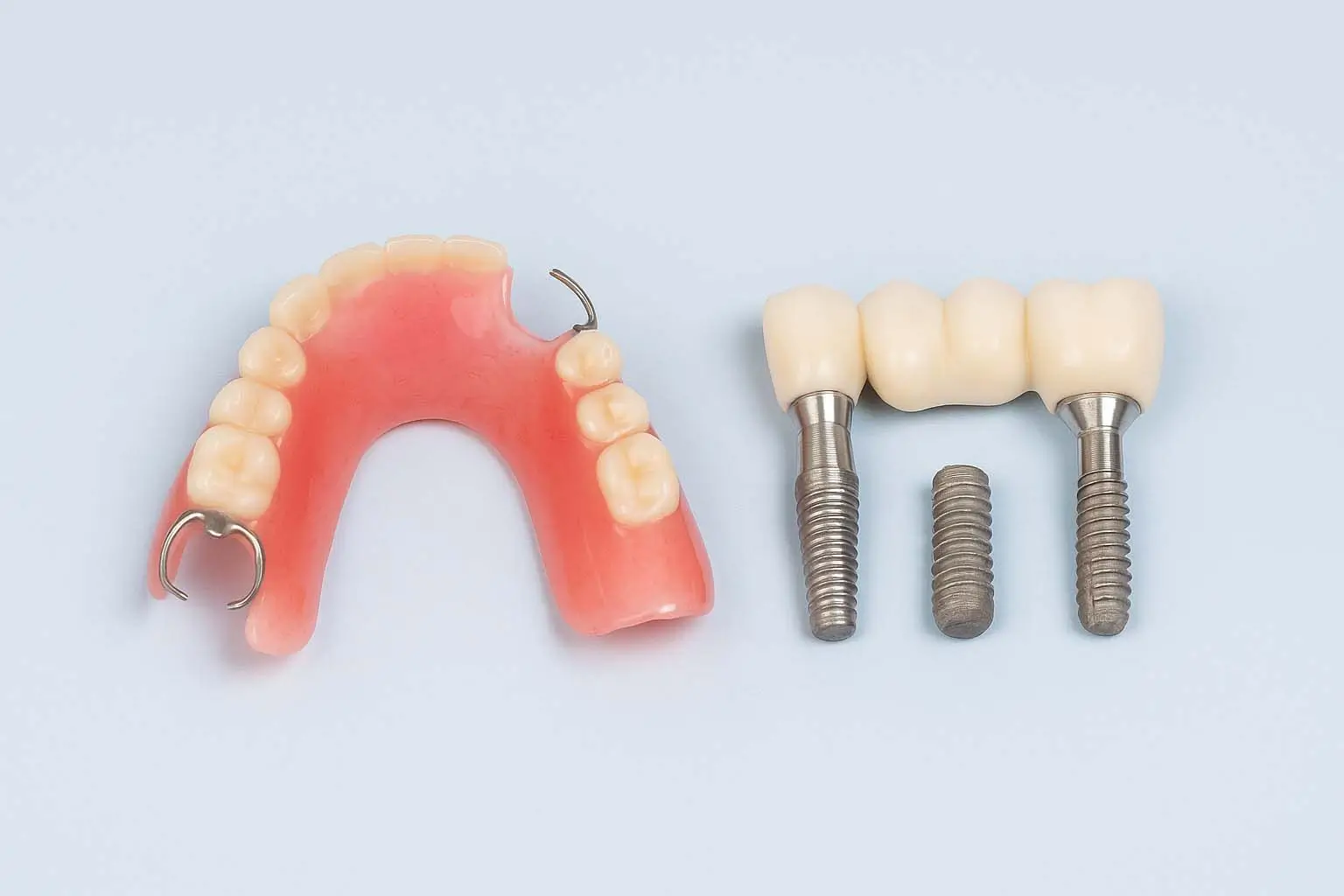
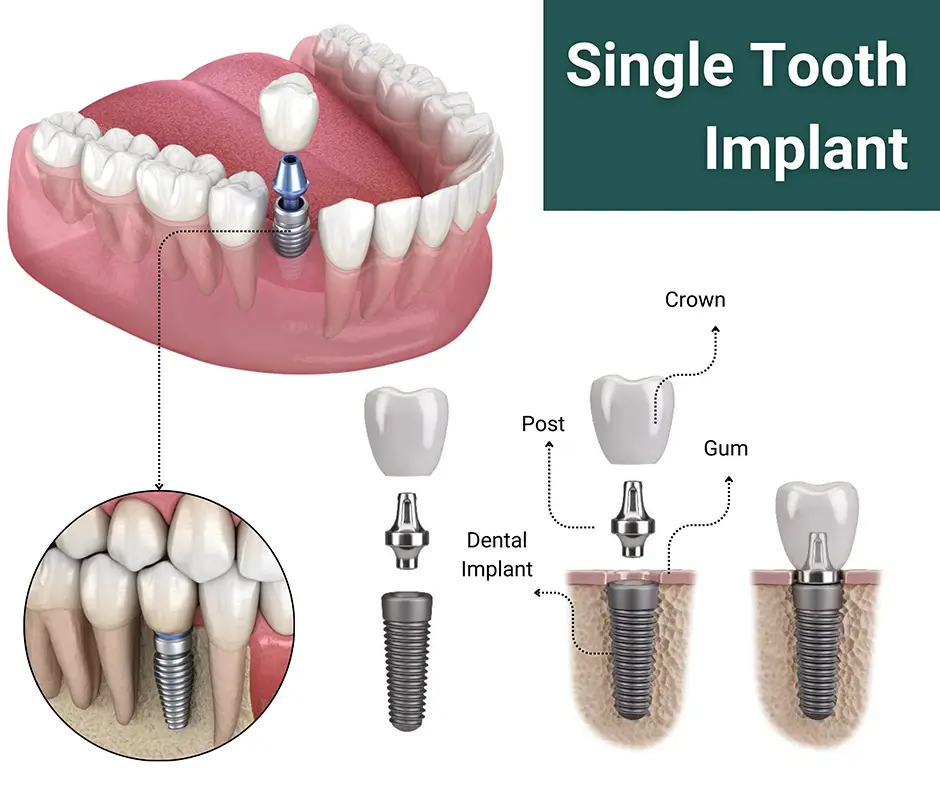
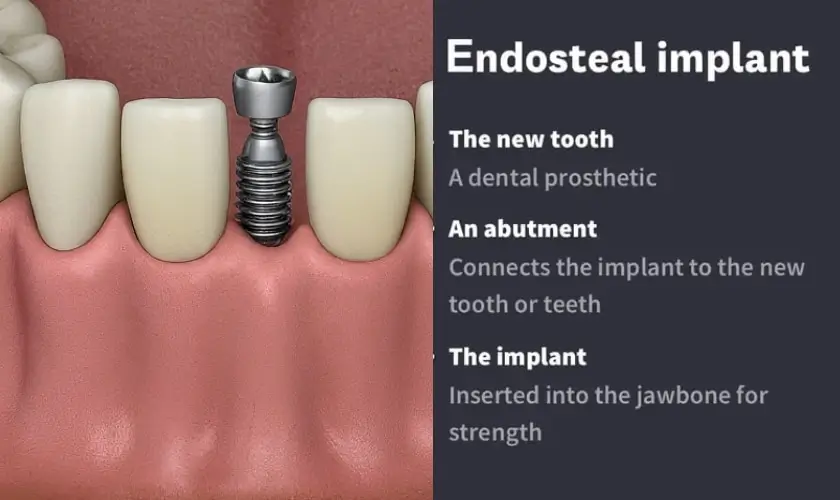
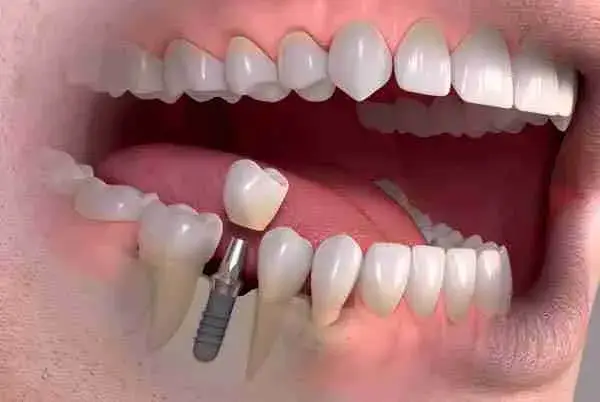
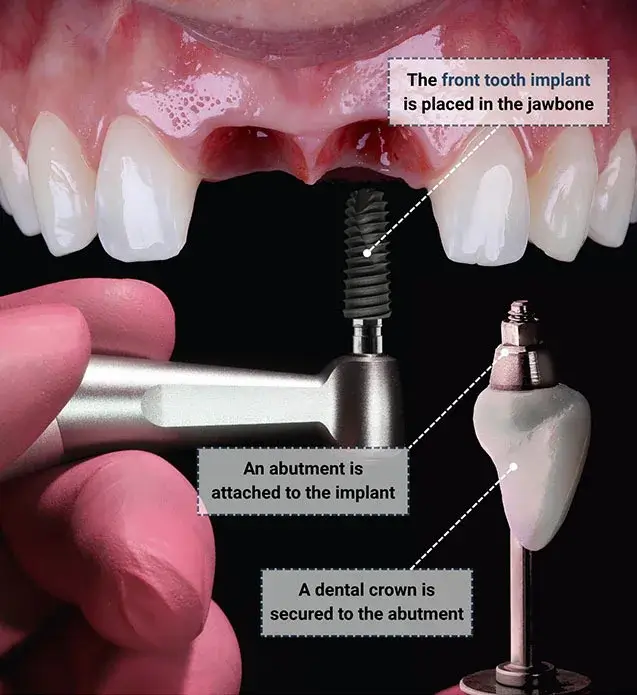
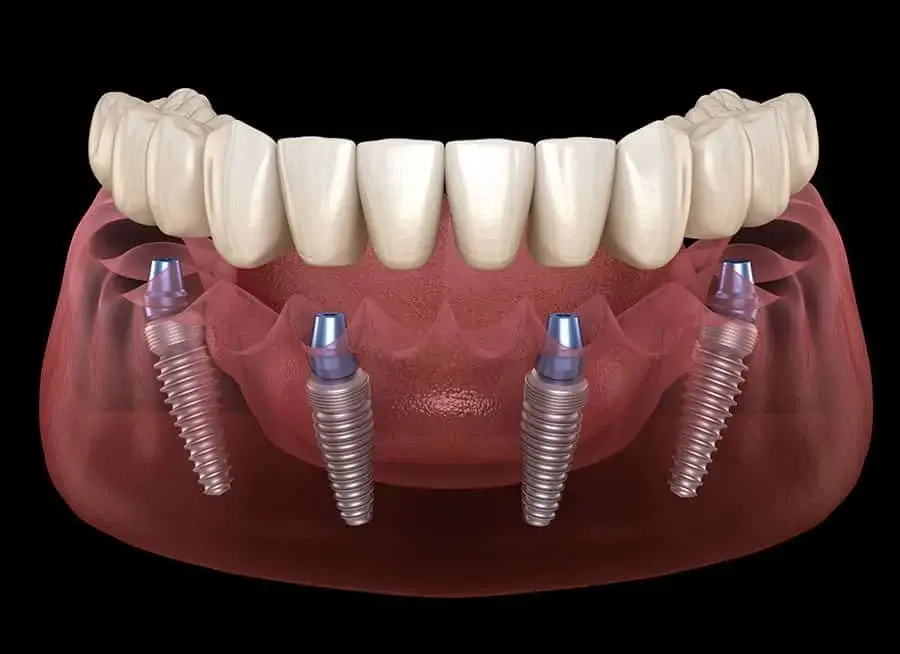
A dental implant involves placing a small titanium post into the jawbone to act as an artificial root. After the surgery, your gums and surrounding tissues will need time to heal. The implant will also go through a process called **osseointegration**, where the bone grows around the implant to secure it firmly.
This healing process starts immediately, but the first 48 hours are the most critical. During this time, your mouth is sensitive, the wound is delicate, and any unnecessary pressure on the surgical site can slow recovery or cause discomfort. That’s why eating the right foods at the right time is so important.
---
### How Soon Can You Eat?
In most cases, your dentist will recommend waiting at least **one to two hours** after the procedure before consuming anything, even soft foods. This short waiting period helps the initial blood clot to form and reduces the risk of bleeding.
Once this time has passed, you can start with soft, cool, and easy-to-chew foods. Think of dishes that don’t require much chewing and won’t disturb the implant site. In Thailand, many patients find comfort in foods like:
- Soft boiled rice (khao tom)
- Blended soups
- Smoothies with banana or mango
- Yogurt without fruit chunks
Avoid hot foods during the first 24 hours. Heat can increase blood flow and may lead to bleeding at the surgical site.
---
### The First 24 to 48 Hours
During the first two days, stick strictly to a soft diet. This doesn’t mean you’ll be hungry; it just means swapping your usual meals for gentler options.
**Good choices include:**
- Lukewarm pumpkin soup or carrot soup
- Mashed sweet potatoes
- Soft tofu dishes
- Fresh coconut water for hydration
Keep in mind: **Do not chew on the side where the implant was placed**. If possible, use the opposite side of your mouth to avoid pressure on the healing area.
---
### Moving Into the First Week
By the third or fourth day, the swelling should start to reduce. You can gradually introduce slightly firmer foods, but still avoid anything hard, crunchy, or sticky. Thai cuisine offers many soft options like steamed fish, scrambled eggs, or boiled veget
ables.
Many dentists in Thailand also advise to avoid spicy dishes for the first week, even though they’re a big part of local food culture. Spicy foods might cause irritation and slow down healing for sensitive gums.
---
### What to Avoid
Foods to stay away from during the recovery period include:
- Nuts and seeds
- Fried and crispy snacks
- Chewy meat or sticky rice
- Carbonated soft drinks and alcohol
- Extremely hot soups or beverages
These items can either disturb the implant site or increase swelling. Sugar-rich foods can also promote bacterial growth, which you want to avoid during healing.
---
### Hydration is Key
Drinking enough water is essential for recovery, but remember one important rule: **Don’t use a straw for at least one week after surgery**. The suction action can disturb the blood clot, similar to the risk after wisdom tooth removal. Sip water gently instead.
---
### Listen to Your Dentist’s Advice
While general guidelines apply to most people, each patient’s situation is different. The number of implants, your oral health condition, and whether bone grafting was required will all affect the recovery timeline. In Thailand, it’s common for dentists to give personalized eating plans for the first few weeks.
If your dentist suggests a longer soft diet, follow it carefully. Rushing into harder foods too soon is one of the main reasons implants fail in the early healing stage.
---
### Tips for a Smooth Eating Transition
1. **Prepare meals in advance.** Cook and store soft foods before your procedure so you won’t have to worry when you get home.
2. **Chew slowly and carefully.** Even when eating soft food, be mindful not to disturb the implant side.
3. **Keep your mouth clean.** Gentle rinsing with a saltwater solution can help prevent infection, but wait at least 24 hours before the first rinse.
4. **Monitor your healing.** If you experience unusual swelling, bleeding, or discomfort while eating, contact your dentist immediately.
---
### Long-Term Diet After Implant Surgery
Once the implant has fully bonded with your jawbone — usually after a few months — you’ll be able to enjoy most foods again. Dental implants are designed to function like natural teeth, so yes, you’ll eventually get back to crunchy apples or grilled meats.
However, maintaining good oral hygiene and avoiding excessive biting on super-hard objects will help the implant last for decades.
---
### Final Thoughts
After a dental implant procedure in Thailand, eating again is all about timing and careful choices. You can start with soft, cool foods within hours, gradually moving to your normal diet over weeks as advised by your dentist. Remember: patience during the early days means a stronger, healthier smile in the future.
So, take it slow, enjoy gentle local dishes, and follow your dentist’s instructions closely. Your implant — and your smile — will thank you.