Why Some Dental Implants Fail and How to Prevent It
Why Some Dental Implants Fail and How to Prevent It
**Why Some Dental Implants Fail and How to Prevent It**
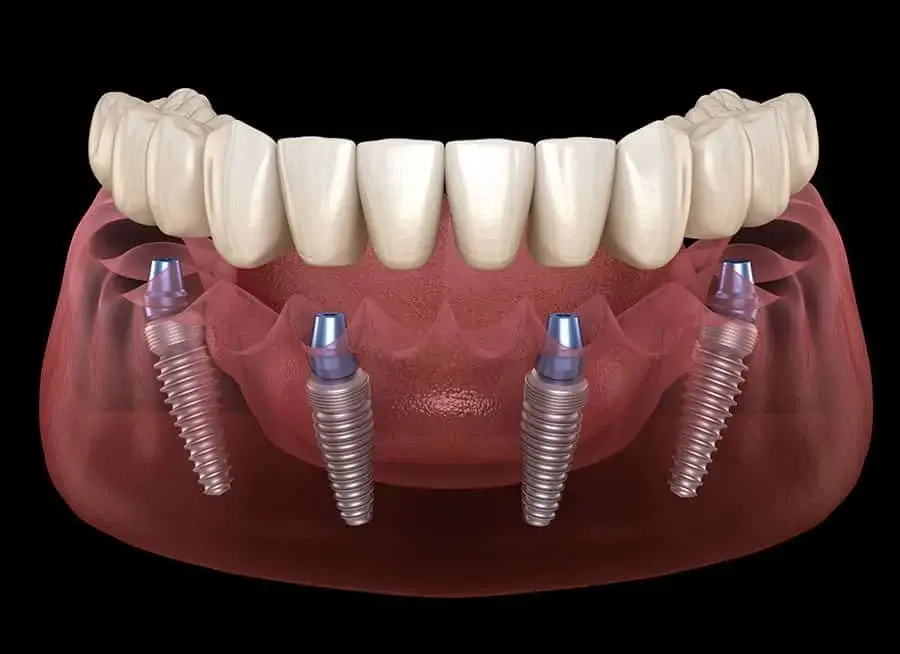
Dental implants have become increasingly popular in Thailand as a reliable way to replace missing teeth. Many people choose implants because they look natural, feel comfortable, and can last for decades when cared for properly. However, just like any medical procedure, dental implants are not always perfect. While success rates are generally high, there are situations where implants fail. Understanding the reasons behind implant failure — and knowing how to prevent it — can make a big difference in achieving a healthy, confident smile.
### **Common Reasons Why Dental Implants Fail**
**1. Poor Oral Hygiene**
Even though implants are artificial, they still rely on healthy gums and bone for support. In Thailand, it’s common for people to drink sweetened iced coffee or enjoy local desserts daily, but sugar and plaque can lead to gum problems around an implant. If the gums get infected (a condition called peri-implantitis), the implant may lose stability. Skipping regular brushing, flossing, or dental check-ups increases this risk.
**2. Inadequate Bone Support**
A dental implant needs enough strong bone to hold it in place. Sometimes, patients lose bone in the jaw due to gum disease or long periods without teeth before getting an implant. Without sufficient bone density, the implant might not fuse properly with the jaw. That’s why dentists may recommend bone grafting before placing an implant.
**3. Smoking**
In Thailand, smoking remains a common habit among adults, but it’s one of the fastest ways to damage implants. Smoking reduces blood flow to the gums, slows healing, and increases infection risk. Studies show that smokers have a significantly higher chance of implant failure compared to non-smokers.
**4. Pre-Existing Health Conditions**
Certain medical conditions like uncontrolled diabetes, autoimmune diseases, or osteoporosis can interfere with healing. In a tropical climate like Thailand’s, where infections can spread more easily if hygiene is neglected, having a chronic illness makes careful monitoring even more important.
**5. Incorrect Bite Pressure**
If an implant is placed without adjusting the bite correctly, too much pressure can cause it to loosen over time. Chewing sticky foods such as grilled chicken skin or dried squid — which are quite popular locally — may strain the implant if it’s not properly balanced.
**6. Low-Quality Materials or Poor Technique**
Cheaper implants made with inferior materials or placed by inexperienced dentists can lead to complications. In Thailand, dental tourism sometimes attracts patients to clinics offering very low prices, but it’s essential to check the dentist’s qualifications and experience before agreeing to treatment.
### **Signs That a Dental Implant May Be Failing**
Recognizing earl
y signs can save you from bigger problems. If you experience the following, you should visit your dentist immediately:
- Persistent pain or swelling around the implant
- Bleeding gums during brushing or eating
- A loose or wobbly feeling in the tooth
- Bad breath or a strange taste
- Difficulty chewing or discomfort with the bite
Early intervention can often correct problems before the implant is permanently damaged.
### **How to Prevent Dental Implant Failure**
**1. Choose a Qualified Dentist**
Thailand has many reputable dental clinics, especially in Bangkok and Chiang Mai, but not all are equal. Look for a dentist with experience in implant surgery, proper certifications, and good patient reviews. Ask about the materials they use and the aftercare services they provide.
**2. Maintain Excellent Oral Hygiene**
Brush at least twice a day with fluoride toothpaste and floss daily. If you eat sticky or spicy Thai foods, rinse your mouth afterward to remove small food particles. Regular dental cleanings — ideally every six months — help prevent gum disease.
**3. Avoid Smoking and Limit Alcohol**
Quitting smoking before and after implant surgery greatly increases your chances of success. Alcohol can also slow healing, so moderation is key.
**4. Manage Health Conditions**
If you have diabetes or another chronic illness, make sure it is well-controlled before implant surgery. Inform your dentist about any medications you take so they can adjust the treatment plan if needed.
**5. Follow Post-Surgery Instructions**
After an implant procedure, your dentist will give guidelines on eating, cleaning, and activity levels. In Thailand’s warm climate, avoiding spicy or hot foods for a few days can reduce swelling. Stick closely to these instructions for optimal healing.
**6. Attend All Follow-Up Appointments**
Even if your implant feels fine, check-ups are vital. They allow the dentist to monitor bone integration and spot early issues. Think of it as regular maintenance for your smile.
### **The Long-Term Benefits of Proper Care**
When properly cared for, dental implants can last 20 years or more. They help restore your confidence, make eating easier, and protect facial structure by preventing bone loss. For many in Thailand, choosing implants is a life-changing decision that improves quality of life.
The key takeaway is simple: most implant failures are preventable. By choosing an experienced dentist, maintaining good oral hygiene, managing health conditions, and following aftercare instructions, you give your dental implant the best chance to succeed for decades.
Getting an implant is an investment — not just in your smile, but in your overall well-being. Treat it with the same care and attention you’d give to any valuable possession, and you’ll enjoy beautiful, trouble-free results.