Best Foods to Eat Right After Getting a Dental Implant
**Best Foods to Eat Right After Getting a Dental Implant**
Getting a dental implant is a big step toward restoring both your smile and your chewing ability. However, to make sure your new implant heals well, your food choices during the recovery period are just as important as the procedure itself. In Thailand, where people love flavorful soups, rice dishes, and tropical fruits, it’s helpful to know exactly what you can enjoy without hurting your healing gums.
This article will guide you through the best foods to eat right after getting a dental implant, why they are safe, and how to keep your diet both delicious and gentle on your mouth.
---
### Why Soft Foods Are Important After Dental Implant Surgery
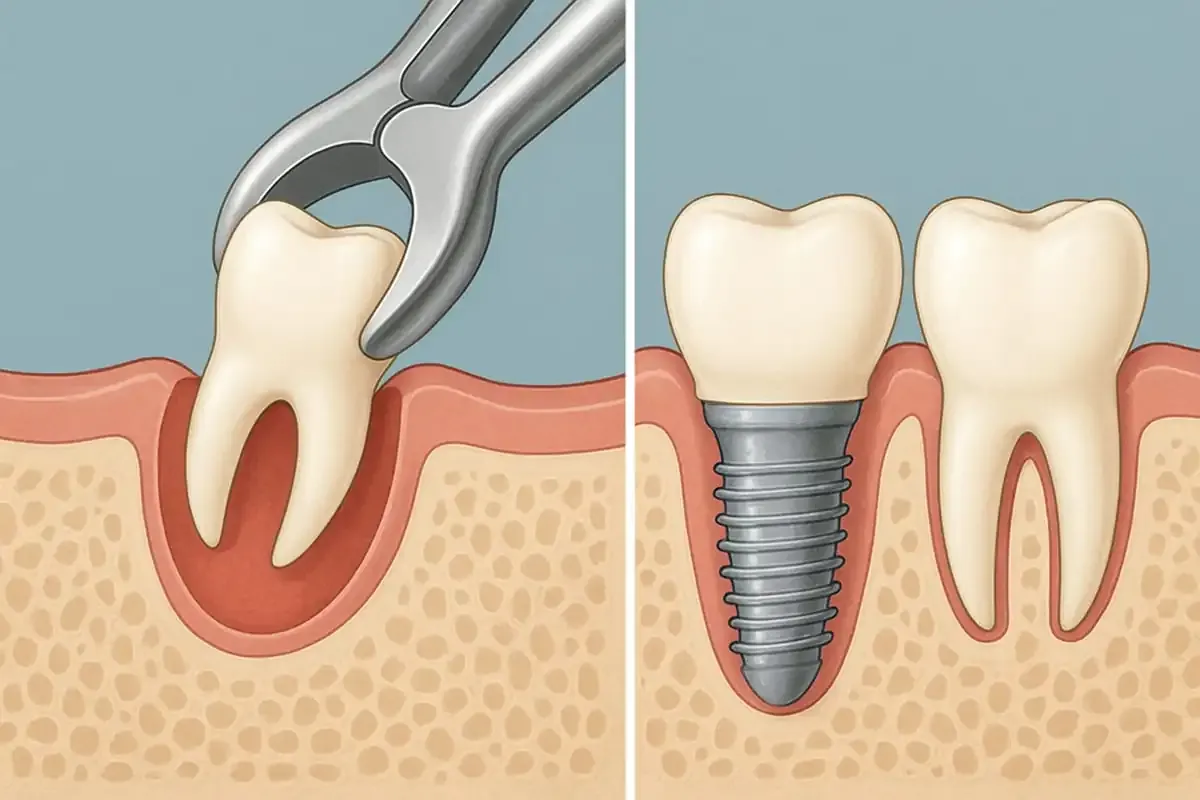
After your implant surgery, your gums and jawbone need time to heal and bond with the implant post. In dental terms, this is called *osseointegration*, and it takes several months to complete. During the first week or two, chewing hard or sticky foods can cause excessive pressure that may slow healing or damage the implant site.
Soft foods are ideal because they:
- Reduce stress on your gums and jaw.
- Lower the risk of damaging stitches (if any were used).
- Allow you to maintain a healthy diet while avoiding discomfort.
---
### Thai-Friendly Soft Food Options
Thailand’s cuisine offers many options that are naturally soft, easy to eat, and still full of flavor. Here are some suggestions you can enjoy in the first days after dental implant surgery:
#### 1. **Khao Tom (Thai Rice Soup)**
This warm rice soup is a favorite breakfast in Thailand and perfect after dental treatment. The rice is boiled until soft, and you can flavor it with a little fish sauce, soy sauce, or steamed vegetables. Avoid crunchy toppings like fried garlic until at least two weeks after surgery.
#### 2. **Pumpkin Soup**
Pumpkin is naturally sweet and softens beautifully when blended. Simply boil pumpkin with a bit of garlic and onion, blend until smooth, and season lightly. It’s filling, comforting, and high in vitamins that aid your healing process.
#### 3. **Soft Steamed Eggs (Khai Toon)**
A common comfort food in many Thai households, steamed eggs are silky, nourishing, and require minimal chewing. Eggs also provide protein, which is essential for tissue repair.
#### 4. **Bananas and Ripe Papaya**
When fully ripe, these tropical fruits are naturally soft, easy to mash, and rich in vitamins A and C, which support gum health. Avoid unripe papaya or crunchy fruits, which can be too firm.
#### 5. **Fresh Yoghurt or Greek Yoghurt**
This is gentle on the mouth, high in protein, and contains probiotics that are good for overall health. Choose unsweetened versions to reduce sugar intake, which can impact oral health.
#### 6. **Smoothies**
Blend ripe mango, banana, or avocado with milk or yoghurt for a nutrient-rich drink. If you prefer Thai-style flavors, try addi
ng coconut milk for a creamy texture. Make sure to avoid ice chunks and drink through a spoon instead of a straw, as sucking can cause pressure on the implant area.
---
### What to Avoid in the First Weeks
While Thailand is full of delicious street food and snacks, some choices are risky during recovery:
- **Sticky rice (Khao Niew)** – It can stick to the surgical site and cause irritation.
- **Spicy salads (like Som Tum)** – The chili and acidity can be too harsh on healing gums.
- **Hard grilled meat or crispy pork** – Too tough to chew and can strain the implant.
- **Nuts and seeds** – Can get trapped in the wound area.
- **Very hot or very cold food** – Extreme temperatures can cause temporary sensitivity.
---
### Healing Tips While Enjoying Food
1. **Chew on the opposite side** – In the first week, try to keep food away from the implant area to protect it.
2. **Eat smaller portions more often** – This puts less strain on your jaw.
3. **Rinse after meals** – Use a saltwater rinse (half a teaspoon of salt in warm water) to keep your mouth clean without strong mouthwash.
4. **Stay hydrated** – Drink enough water to promote healing and prevent dryness in the mouth.
---
### Gradually Reintroducing Normal Foods
Typically, after one to two weeks, your dentist may allow you to start eating foods with a slightly firmer texture—such as soft noodles, minced chicken, or steamed fish. In Thai cuisine, *Pla Nueng Manow* (steamed fish with lime) is a gentle option as long as you avoid raw chili and chew carefully.
By the third or fourth week, if there are no complications, you can slowly enjoy more variety, always paying attention to your dentist’s advice. Remember, everyone’s healing timeline is different, and rushing into harder foods can delay the process.
---
### Balancing Flavor and Healing
One of the fears people have after dental implant surgery is that they will have to eat boring, bland food. But with a little creativity, soft meals can still be tasty. Using fresh herbs like coriander, mild ginger, and lemongrass can add fragrance without overwhelming your gums. Coconut milk-based soups and curries (kept mild) can also bring comfort while still being easy to consume.
---
### Final Thoughts
Eating after a dental implant doesn’t have to be a challenge. In fact, it’s a great opportunity to explore the softer side of Thai cuisine and focus on nourishing your body while protecting your investment in your dental health. For the first few days, stick with smooth soups, steamed eggs, ripe fruits, and yoghurt. Gradually introduce more texture as your healing improves, and always follow the aftercare instructions given by your dentist.
By combining mindful eating with Thailand’s naturally soft and flavorful dishes, you can recover comfortably—and before long, you’ll be back to enjoying your favorite foods with a strong, confident bite.
 collect
Hospitals included




Products included
Suggested reads