Do You Need a CT Scan Before Dental Implant Surgery
Do You Need a CT Scan Before Dental Implant Surgery
**Do You Need a CT Scan Before Dental Implant Surgery?**
For many people in Thailand, getting dental implants has become a common solution for missing teeth. It feels more natural than dentures, lasts longer, and can greatly improve confidence when smiling. However, if you’re planning to get an implant, your dentist might recommend a CT scan before the surgery. This often leads to the question — is it really necessary? Let’s break it down so you can make an informed decision.
---
### **What is a CT Scan and Why is it Different from a Normal X-ray?**
A CT scan, or Cone Beam Computed Tomography (CBCT) in dentistry, produces a 3D image of your teeth, jawbone, and surrounding structures. Compared to the typical 2D dental X-ray you might get during a routine check-up, a CT scan offers much more detail.
This advanced imaging allows the dentist to see the exact thickness and density of your jawbone, the position of nerves, and the sinus cavity (especially for upper jaw implants). In Thailand, many dental clinics in Bangkok, Chiang Mai, and Phuket use CBCT scanners as part of modern implant procedures.
---
### **Why a CT Scan Can Be Important for Dental Implants**
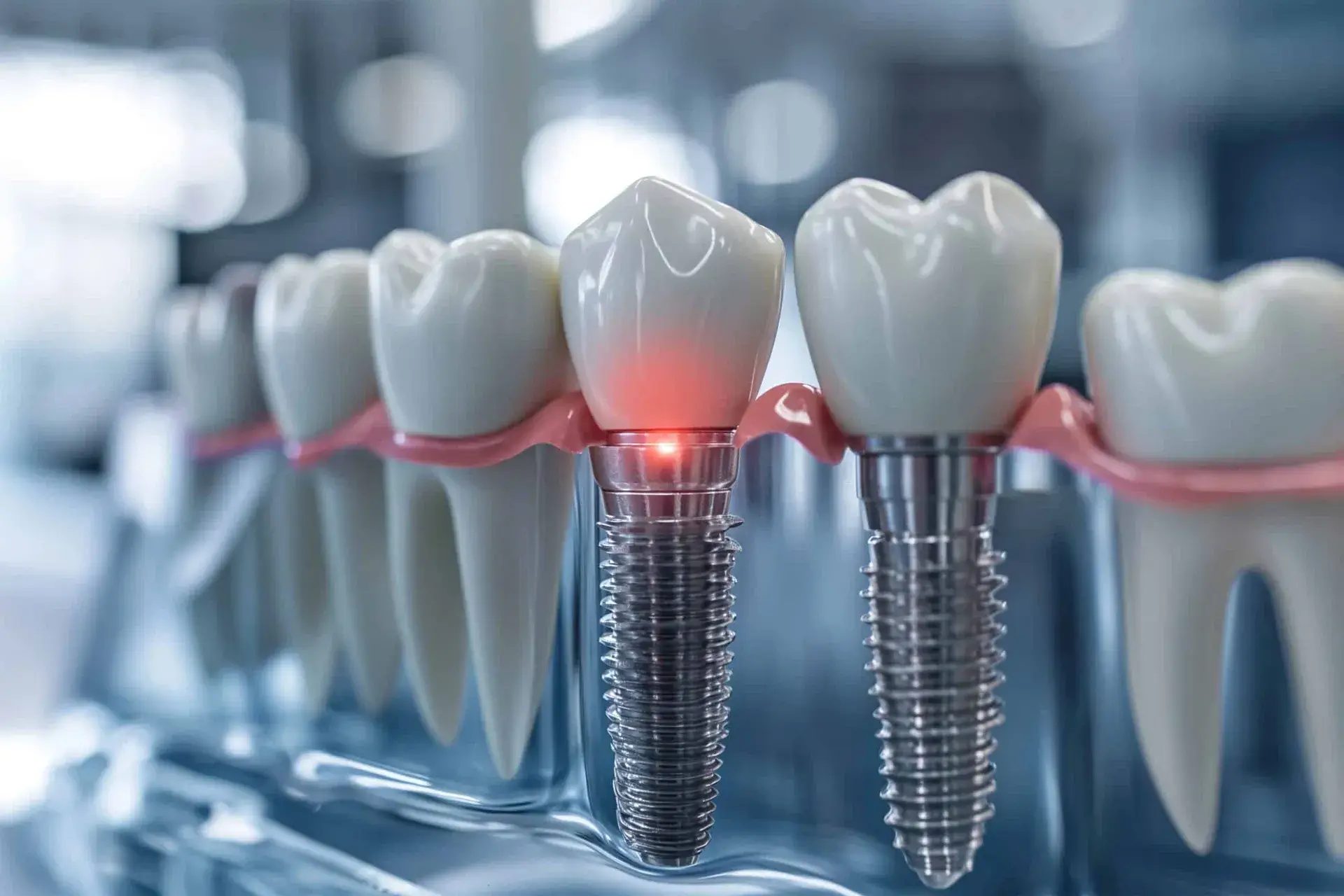
Placing an implant involves precision. The titanium post needs to be positioned in a way that ensures long-term stability and avoids damaging sensitive structures. A CT scan can help in the following ways:
1. **Assessing Bone Quality and Quantity**
The scan shows whether you have enough healthy bone to hold the implant securely. If your bone is too thin or soft, a bone graft may be needed before surgery.
2. **Identifying Nerve and Sinus Location**
In the lower jaw, the mandibular nerve controls feeling in your chin and lower lip. In the upper jaw, the sinus cavity needs to be avoided. A CT scan gives a clear map of these areas to prevent complications.
3. **Planning Angles and Position**
With 3D imaging, dentists can plan the exact angle, depth, and position of the implant, making the surgery safer and more predictable.
---
### **Do All Patients Require a CT Scan?**
Not necessarily. Some cases are straightforward enough that a dentist can safely proceed with traditional X-rays. If you have strong, healthy bone and no history of complex dental or sinus issues, a CT scan may not be required.
However, for patients who:
- Lost their teeth many years ago
- Have bone loss from gum disease
- Need multiple implants
- Have anatomical concerns
a CT scan is highly recommended.
In many Thai dental clinics, the CT scan is considered part of the planning process for complex or high-value implant cases. It’s an extra step, but it adds a layer of safety and accuracy.
---
### **Safety and Comfort of a CT Scan**
Some people worry about radiation exposure. In reality, dental CBCT scans use much less radiation than hospital-style CT sc
ans, and the exposure is generally lower than a few regular X-rays combined.
The process is also quick — usually under a minute — and painless. You will just need to stand or sit still while the machine rotates around your head. Most clinics provide the images immediately, so your dentist can review them with you on the spot.
---
### **Costs in Thailand**
Prices for dental CBCT scans in Thailand vary depending on the clinic and location. You might expect to pay between 2,000 to 5,000 Thai Baht for a single scan. In many dental centers, especially in Bangkok or Phuket, this cost may be included in an implant package.
Some patients try to avoid the extra cost, but it’s worth considering how the scan can prevent future problems. A poorly placed implant might lead to pain, infections, or costly corrections later on.
---
### **When a CT Scan Can Save You Trouble**
Imagine placing an implant without knowing exactly where the nerves or sinus cavity are. Even experienced dentists prefer having a 3D guide to reduce risks. In Thailand, where dental tourism is growing rapidly, many clinics emphasize modern imaging as a selling point for international patients.
For example, if the CT scan reveals insufficient bone in the upper jaw, your dentist can recommend a sinus lift procedure before placing the implant. Without the scan, this issue might only be discovered during surgery, making it more complicated and stressful.
---
### **Balancing Cost and Benefits**
For a patient, the decision often comes down to cost, convenience, and safety. While a CT scan adds an extra step and expense, it also adds peace of mind. If you’re already investing in a permanent tooth replacement that should last for decades, detailed planning is often worth it.
You can always discuss with your dentist whether your case truly requires a CT scan. In simpler situations, traditional X-rays may be enough. In more complex cases, skipping the scan might cause more harm than good.
---
### **Final Thoughts**
In Thailand’s modern dental industry, CT scans are becoming standard for implant planning, especially in high-quality clinics catering to both local and international patients. The scan ensures accurate measurements, prevents nerve or sinus complications, and helps your dentist deliver a safe and lasting result.
While it is not mandatory for every patient, it’s strongly recommended when there are concerns about bone quality, missing teeth for a long period, or previous dental problems. If your dentist suggests a CT scan, they are likely aiming for the best possible outcome for your implant surgery.
Investing in accurate imaging can be the difference between a smooth implant experience and future complications. So, before saying no to a CT scan, consider the long-term benefits — your smile, comfort, and confidence are worth the extra step.