How to Fix Gum Recession Around a Dental Implant
**How to Fix Gum Recession Around a Dental Implant**
If you’ve invested in a dental implant, you probably expect it to last for many years and look just like a natural tooth. But sometimes, people notice the gum around an implant slowly pulling back, revealing more of the metal or making the tooth look longer. This condition, known as gum recession, can affect both appearance and oral health. In Thailand, where many people seek implants for their durability and aesthetic appeal, gum recession is a common concern—especially among those who value a perfect smile. Let’s talk about why it happens, how to fix it, and what you can do to protect your investment.
---
### Understanding Gum Recession Around Implants
Gum recession simply means the soft tissue around the implant is shrinking or pulling away. This can happen for several reasons:
- **Poor brushing technique**: Aggressive scrubbing can injure the gums.
- **Peri-implantitis**: This is an infection similar to gum disease, but it affects the tissues around implants.
- **Thin gum tissue**: Some people naturally have thinner gums that are more prone to recession.
- **Improper implant placement**: If the implant is too close to another tooth or placed at the wrong angle, it can cause stress on the gums.
- **Smoking**: A common habit in Thailand and elsewhere, smoking reduces blood flow and slows gum healing.
When the gum shrinks, you might notice redness, sensitivity, or even bone loss under the surface. In severe cases, the stability of the implant itself can be threatened.
---
### Why Gum Health Around Implants Matters
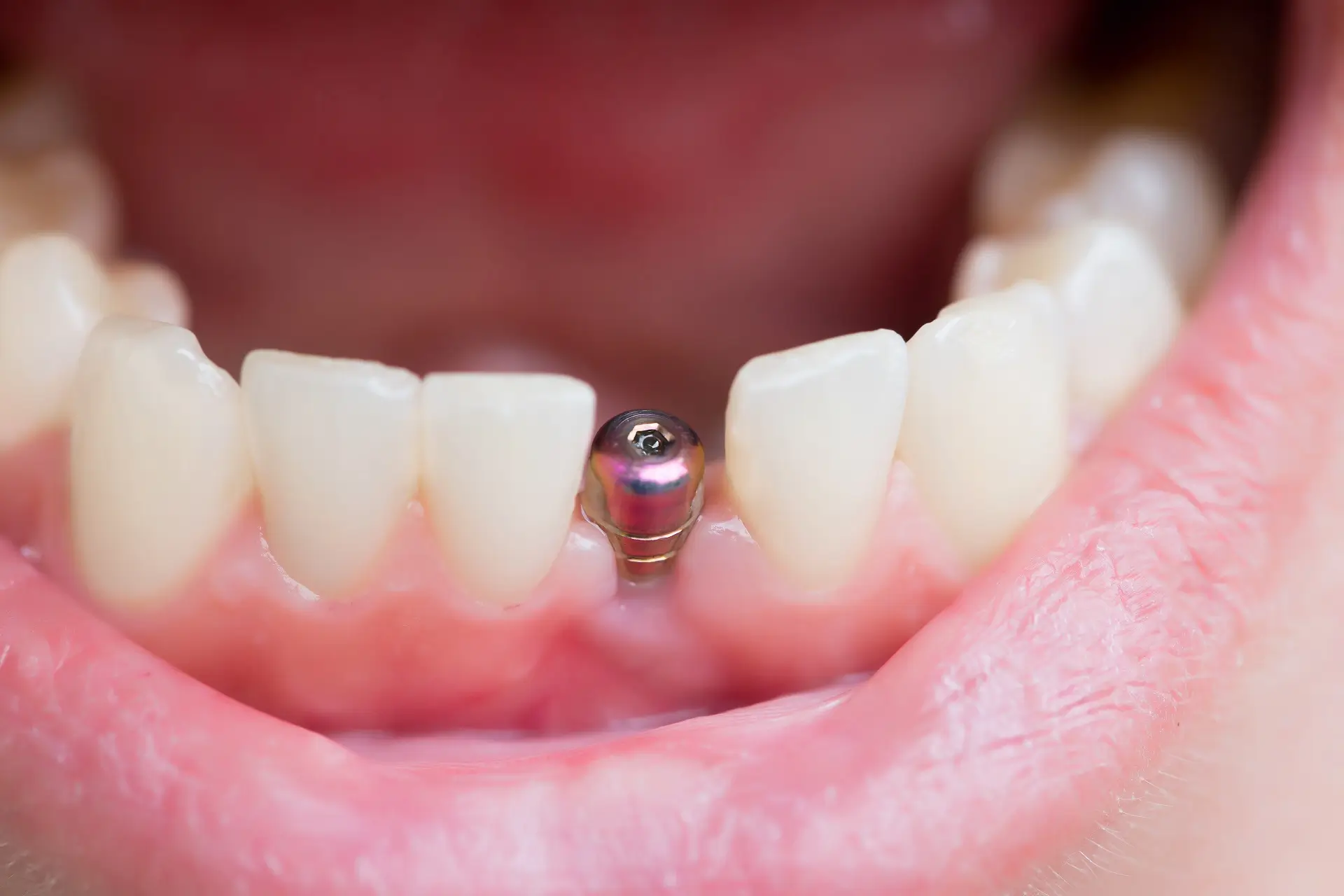
A dental implant isn’t just a false tooth—it’s a titanium post surgically placed in your jawbone. Your gums play a vital role in protecting the bone and keeping the implant stable. If the soft tissue around it deteriorates, bacteria can enter more easily, leading to deeper infection or even implant failure. Beyond the health risks, gum recession can make the implant look unnatural, which is a big worry for anyone who values a confident smile.
---
### How to Fix Gum Recession Around an Implant
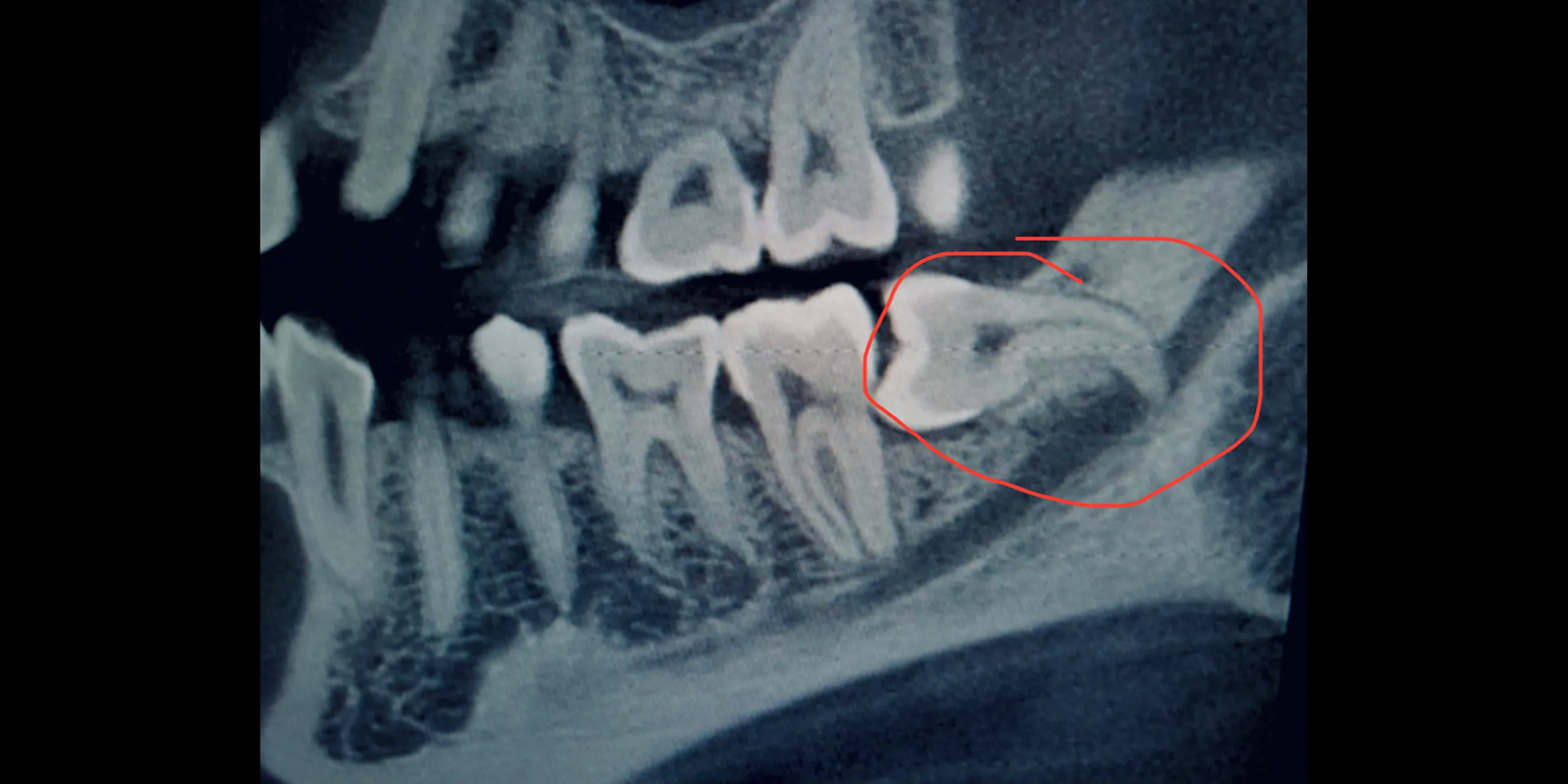
Treating gum recession requires a proper diagnosis first. In most dental clinics in Bangkok, Chiang Mai, or Phuket, the dentist will do a thorough check, sometimes using an X-ray to see if there’s bone loss. Depending on the case, the following treatments may be recommended:
#### 1. **Deep Cleaning (Scaling and Root Planing)**
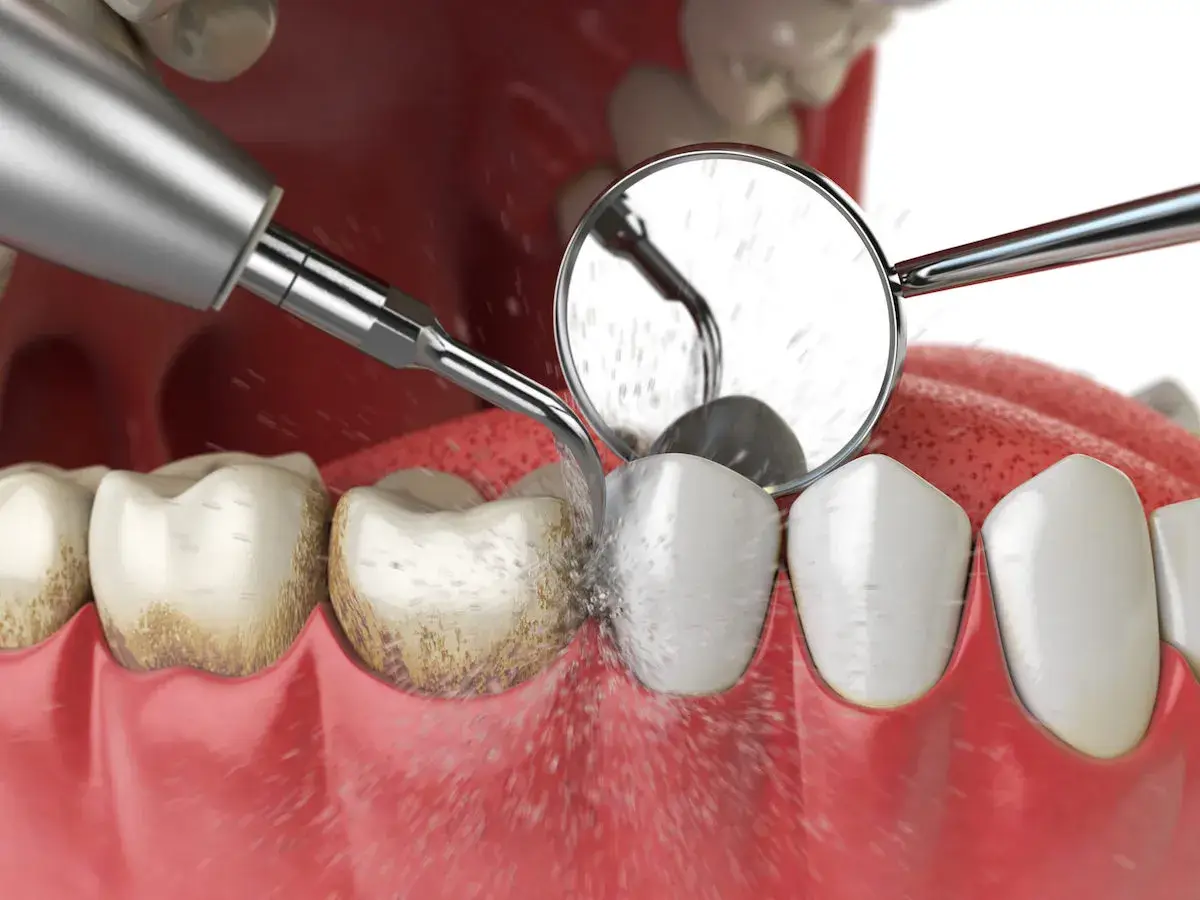
If infection is the cause, the dentist will clean below the gum line to remove plaque and bacteria. This is often the first step before any surgical treatment.
#### 2. **Soft Tissue Graft**
One of the most effective solutions for severe gum recession is a gum graft. This involves taking healthy gum tissue, sometimes from the roof of your mouth, and attaching it to the affected area around the implant. This builds up thickness, protects the underlying bone, and gives a more natural appearance.
#### 3. **Guided Tissue Regeneration**
In some cases, both the gum and bone may need help regenerating. Dentists can use a special membrane and sometimes bone graft materials to encourage natural growth.
#### 4. **C
hanging the Implant Crown**
If the crown (the visible part of the implant) is putting pressure on the gum, adjusting its shape or size can relieve stress and allow healing. Experienced Thai dental labs can customise crowns for better gum support.
#### 5. **Laser Therapy**
Modern clinics in Thailand increasingly use dental lasers to reduce bacteria and stimulate gum healing. This method is minimally invasive and can speed up recovery.
---
### Self-Care to Support Healing
Fixing gum recession isn’t just about what happens at the clinic—you have to maintain good home care to prevent it from coming back.
- **Brush gently but thoroughly** with a soft-bristled toothbrush. Avoid scrubbing too hard around the implant.
- **Floss or use an interdental brush** daily to remove food particles and plaque between teeth and near the implant.
- **Rinse with a non-alcohol mouthwash** to keep bacteria under control without irritating the gums.
- **Stop smoking** if possible, as it slows tissue healing.
- **Stay consistent with dental check-ups**, ideally twice a year, to catch any early signs of recession.
These habits are easy to follow and make a huge difference in the long run.
---
### Preventing Gum Recession Before It Starts
Prevention is always easier than treatment. Here are key tips for anyone in Thailand considering or already living with dental implants:
- **Choose an experienced dentist**: Implant placement is a delicate procedure. A well-trained professional will position the implant to minimise stress on surrounding gums.
- **Ask about gum thickness** before placement: If your gums are naturally thin, grafting can be done at the same time as the implant to prevent future problems.
- **Balance your bite**: Uneven chewing pressure can lead to gum and bone damage over time. Your dentist can check for bite alignment issues.
- **Manage gum disease early**: Treating gingivitis before it reaches the implant area can save you from recession and bone loss later.
---
### When to Seek Immediate Help
If you notice sudden changes like bleeding, swelling, persistent bad breath, or visible space forming between the gum and implant, don’t delay. These symptoms often point to infection or other serious issues. In popular dental destinations like Bangkok or Pattaya, there are plenty of reputable clinics that can offer quick intervention. Early treatment keeps small problems from becoming expensive, complicated repairs.
---
### Final Thoughts
Gum recession around a dental implant is a problem you should never ignore. Whether it’s caused by infection, poor oral habits, or structural issues, there are effective solutions to restore both health and appearance. In Thailand, where dental tourism is thriving, modern dental technology and skilled professionals make it possible to fix the issue and protect your smile for the long term.
Your implant is more than just a replacement tooth—it’s an investment in your confidence. By combining proper dental care, professional treatment, and healthy lifestyle choices, you can keep your gums healthy, your implant secure, and your smile at its best for years to come.
 collect
Hospitals included




Products included
Suggested reads