Is a CT Scan Required for Dental Implants – Dentist Opinions
Is a CT Scan Required for Dental Implants – Dentist Opinions
**Is a CT Scan Required for Dental Implants – Dentist Opinions**
Dental implants have become one of the most popular solutions for replacing missing teeth in Thailand. They offer durability, natural aesthetics, and the confidence to eat and speak without worry. However, one question that often arises during the initial consultation is: *Do I need a CT scan before getting dental implants?*
For many patients, this step can feel like an extra cost or an unnecessary procedure. But according to most dentists in Thailand, the answer depends on each individual’s oral condition. Let’s go deeper into the topic, look at the reasons behind the recommendation, and understand why dental professionals place so much emphasis on proper imaging.
---
### Why Imaging Is Important for Dental Implants
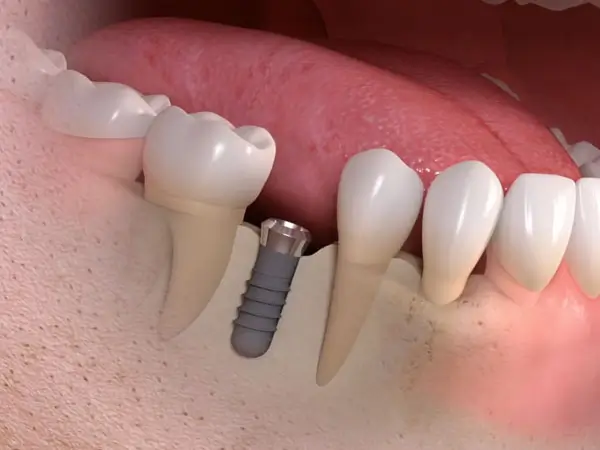
Dental implants are not simply placed onto the gum surface; they are anchored directly into the jawbone. This means the dentist must have an accurate picture of the bone structure, density, and surrounding anatomy before planning the procedure. Traditional X-rays can give a two-dimensional view, but in complex cases, that may not be enough.
A CT scan – or more specifically, a cone beam computed tomography (CBCT) – provides a three-dimensional image of your jaw. Dentists say this is extremely helpful for:
- Measuring bone height and width.
- Checking bone density to see if it is strong enough to support an implant.
- Locating important structures such as nerves and sinuses.
- Planning the exact placement angle and depth for optimal stability.
With this data, the dentist can design an implant position that reduces risk and increases long-term success.
---
### Situations When a CT Scan Is Commonly Recommended
In Thailand, not every dental implant case requires a CT scan. For straightforward cases, standard X-rays may be enough. However, dentists often recommend CT scans in specific situations:
1. **When bone loss is suspected** – Patients who have had missing teeth for many years may have reduced bone volume.
2. **When the site is close to important structures** – For example, upper jaw implants near the sinus cavity or lower jaw implants near the nerve canal.
3. **When previous dental procedures have changed the anatomy** – Root canal treatments, extractions, or bone grafts can alter the jaw.
4. **When multiple implants are planned** – Detailed mapping helps coordinate placement and ensure even load distribution.
5. **When there are underlying health concerns** – Such as periodontal disease, osteoporosis, or trauma to the jaw.
If you fall into one of these categories, your dentist is likely to recommend a CT scan as part of your treatment plan.
---
### What Thai Dentists Say About CT Scans for Implants
From interviews with dental professionals in Bangkok, Chiang Mai, and Phuket, a common theme emerges: CT scanning is not about selling extra services; it’s about precise diagnosis and increased safety.
According to Dr. Nattaporn, a prosthodontist in Bangkok, “When w
e use a CT scan, we can see the full picture of the patient’s jawbone. It’s like planning a building – you wouldn’t start without a detailed blueprint. It helps us avoid complications such as nerve injuries or sinus perforations.”
Similarly, Dr. Kanya from Chiang Mai points out that many complications can be avoided through thorough imaging. “Some patients want to skip the CT scan to save time or money, but the truth is, the scan can prevent failures. Having to redo an implant is much more costly than doing the scan from the start.”
---
### Is It Safe?
Many patients in Thailand worry about radiation exposure. Dentists reassure that CBCT scans use much lower radiation levels compared to medical CT scans. The exposure is minimal and generally considered safe, especially when performed in modern dental clinics with updated equipment.
Moreover, the scan takes only a few seconds and doesn’t involve any discomfort. You simply stand or sit in the machine while it rotates around your head, capturing the required images.
---
### Cost Considerations in Thailand
The price of a dental CT scan in Thailand can vary depending on the clinic and location. In Bangkok and Phuket, the cost is often around 3,000–6,000 THB, while smaller cities may offer lower rates. Some clinics include the scan in the implant package, while others charge separately.
Even though this may seem like an added expense, many dentists emphasize that the information gained from the CT scan could save time, avoid complications, and ensure the implant lasts longer. When viewed as part of an investment in your oral health, the scan is often worth it.
---
### Could You Skip the CT Scan?
If your case is straightforward and your dentist feels confident with standard X-rays, you may not need a CT scan. For example, if you have only recently lost a tooth and your jawbone is healthy, a simple panoramic X-ray might provide enough information.
However, skipping the scan in more complex situations may increase risks. As Dr. Kanya remarks, “It’s not about whether we *can* place the implant without the scan; it’s about whether we can do it with full safety and predictability.”
---
### Final Thoughts
The question of whether a CT scan is required for dental implants doesn’t have a one-size-fits-all answer. In Thailand, most dentists base their recommendation on each patient’s anatomy, medical history, and treatment goals. While simple cases may proceed without it, more complex scenarios benefit greatly from the detailed information a CT scan provides.
For patients, the best approach is to discuss openly with the dentist. Ask why the scan is needed in your case, what details the dentist hopes to see, and how it will affect the outcome. Remember, dental implants are a long-term investment, and proper planning is key to success.
In the end, if your dentist suggests a CT scan, it’s usually for your benefit – to ensure the implant procedure is accurate, safe, and able to give you a confident smile for years to come.