Is Water Flosser Safe for Dental Implants
Is Water Flosser Safe for Dental Implants
**Is Water Flosser Safe for Dental Implants?**
If you’re living in Thailand and have invested in dental implants, you know how important it is to keep them clean and healthy. Dental implants can last for many years when cared for properly, but one common question people often ask at clinics in Bangkok or Chiang Mai is: *“Is it safe to use a water flosser with dental implants?”*
Let’s explore the facts, benefits, and precautions so you can make an informed decision about adding this gadget to your daily routine.
---
### Understanding Dental Implants and Why Cleaning Matters
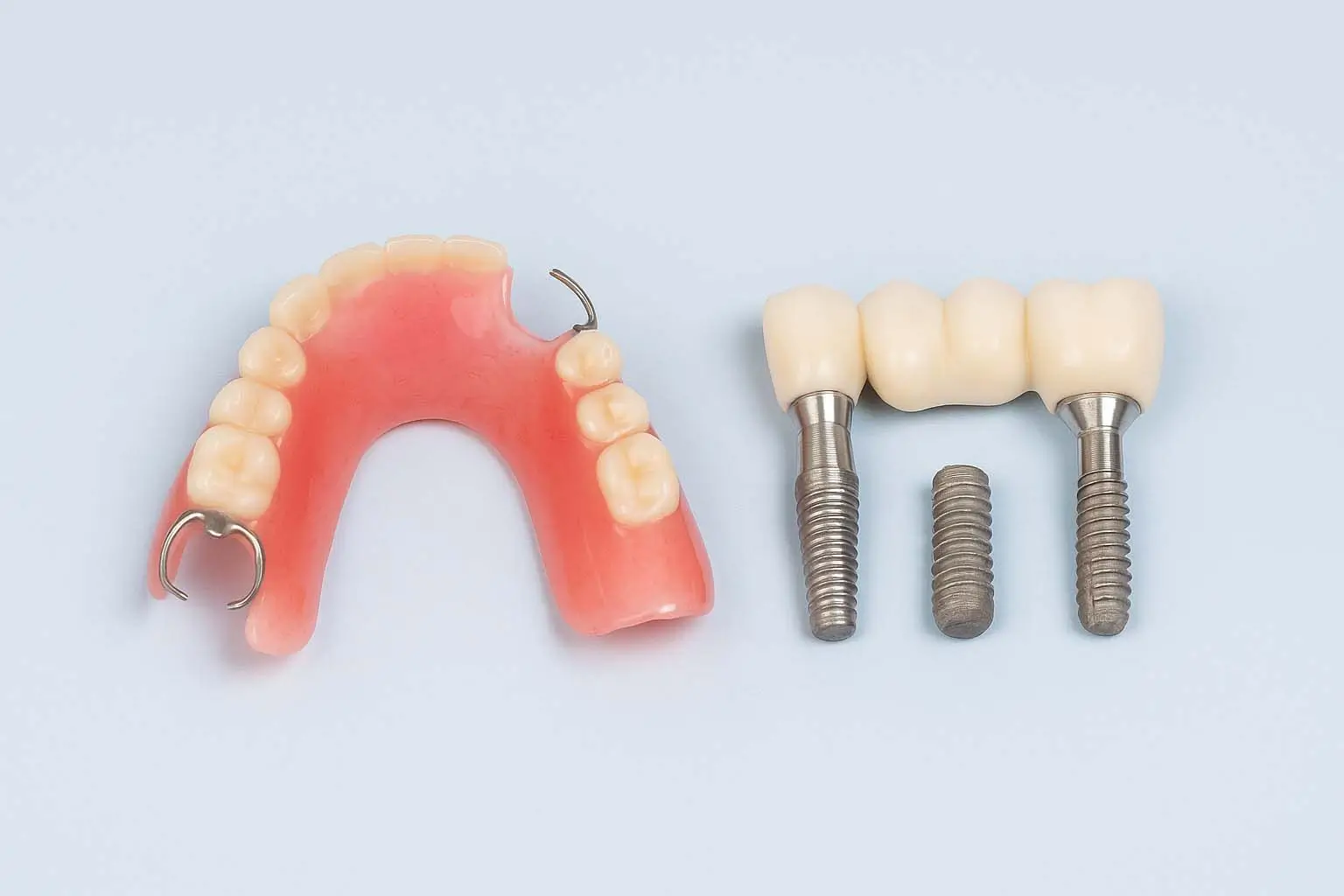
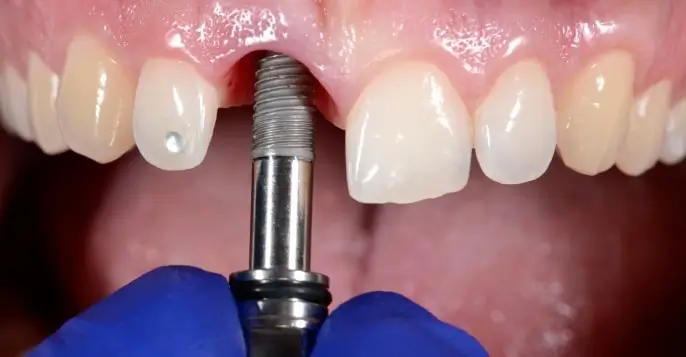
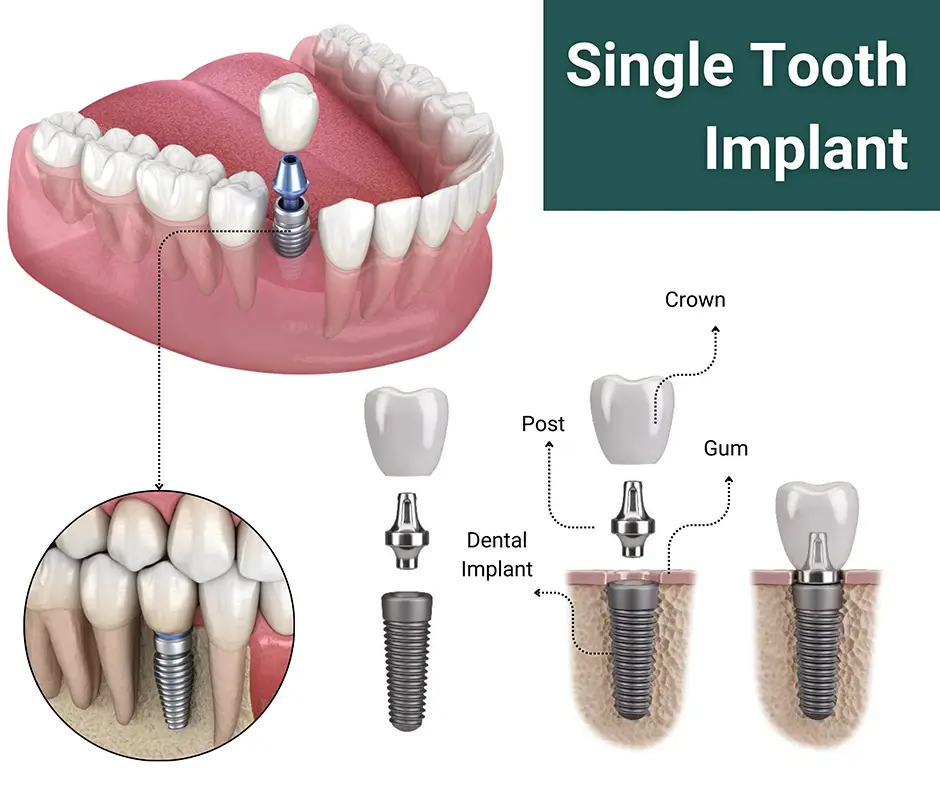
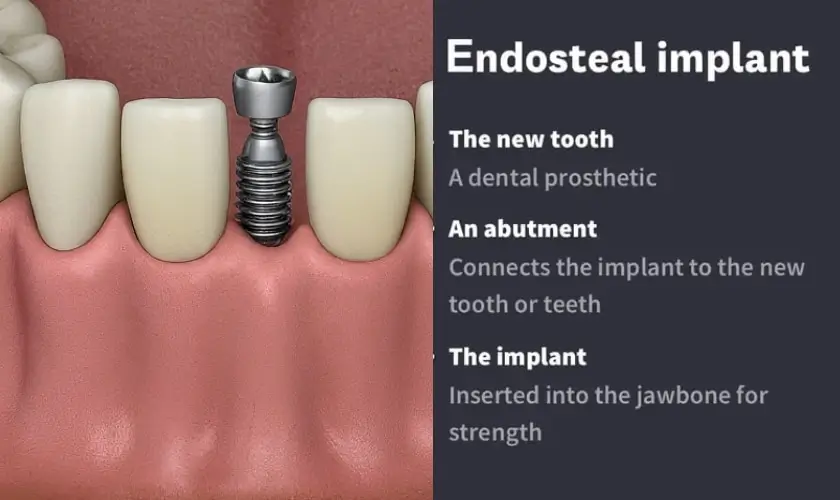
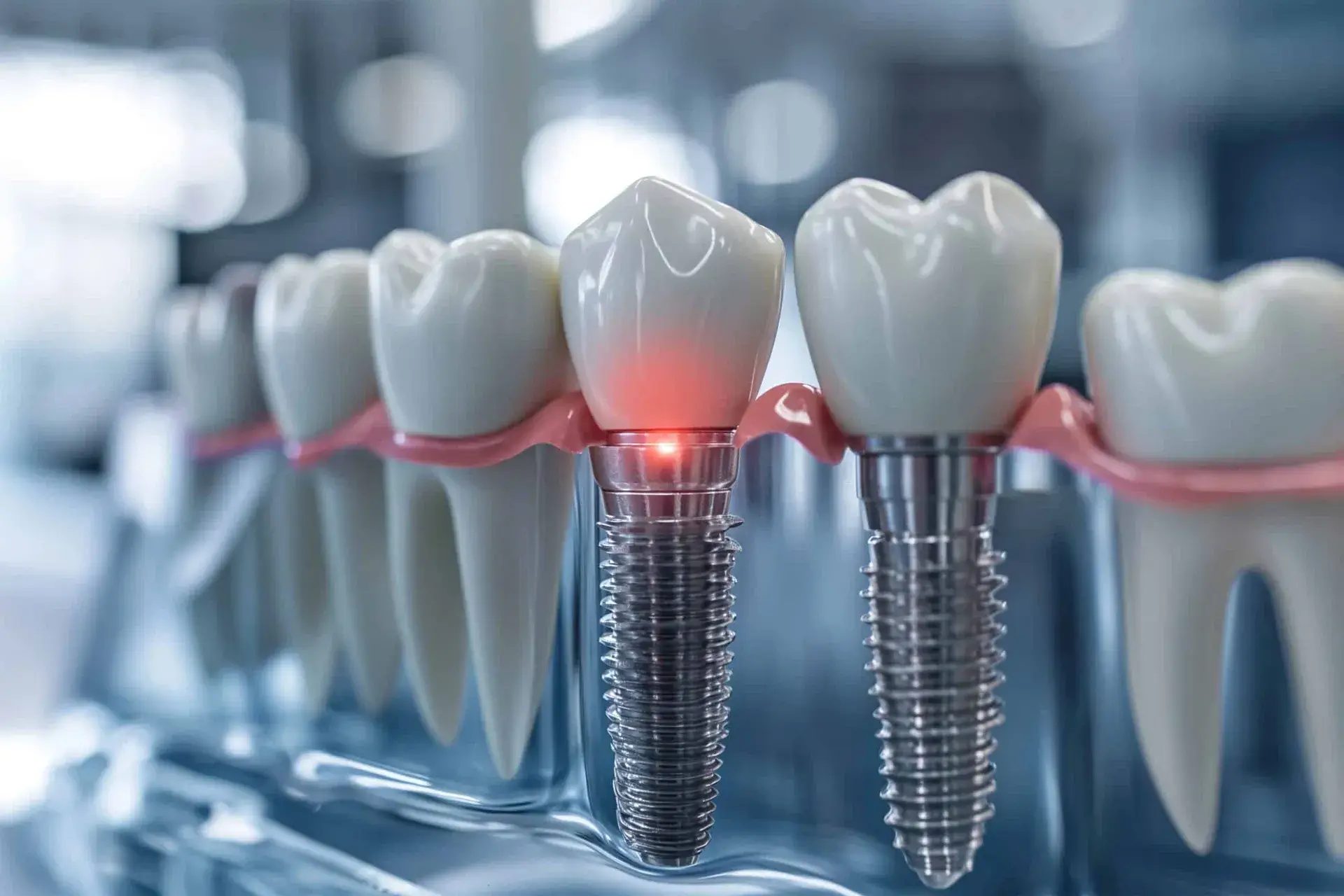
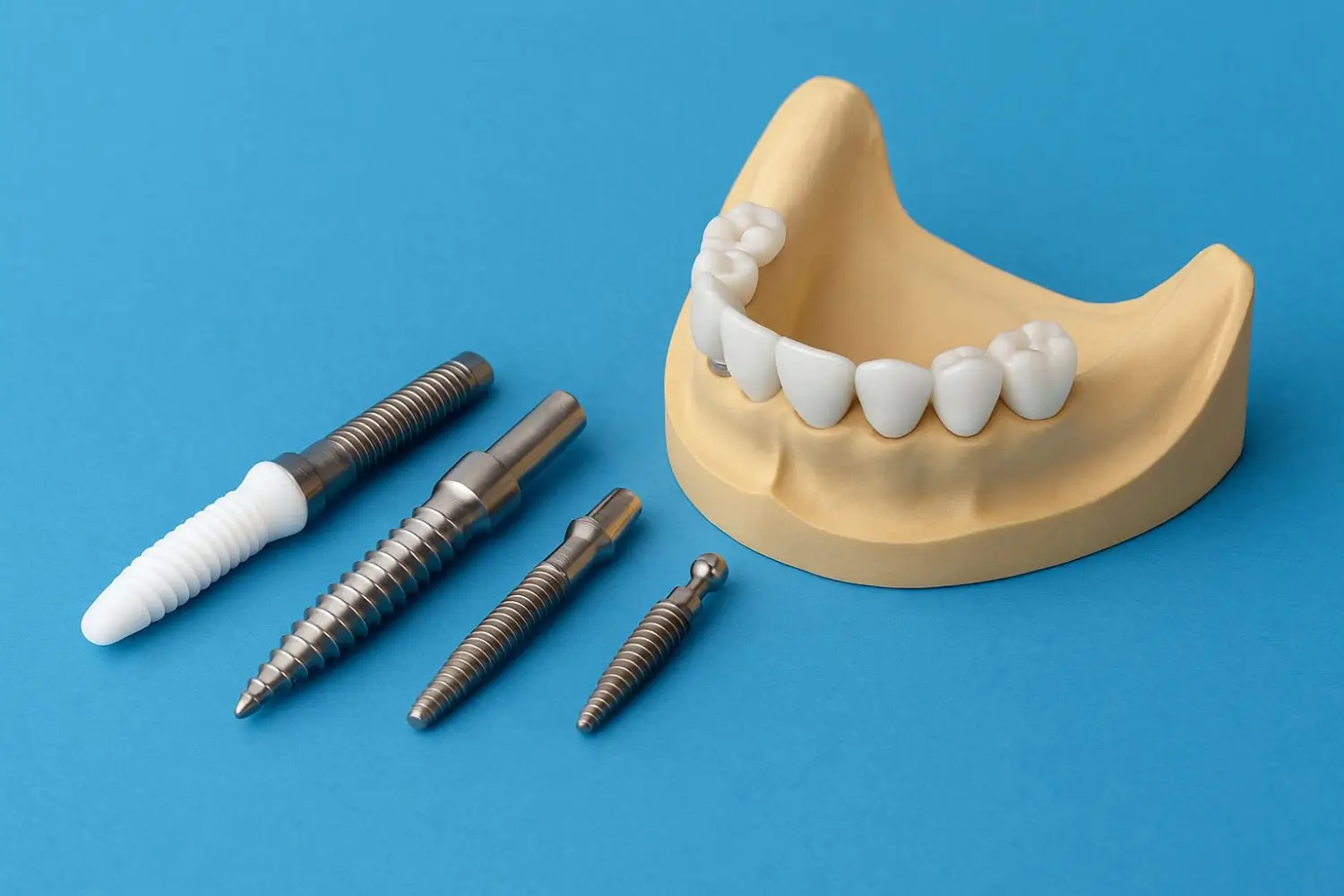
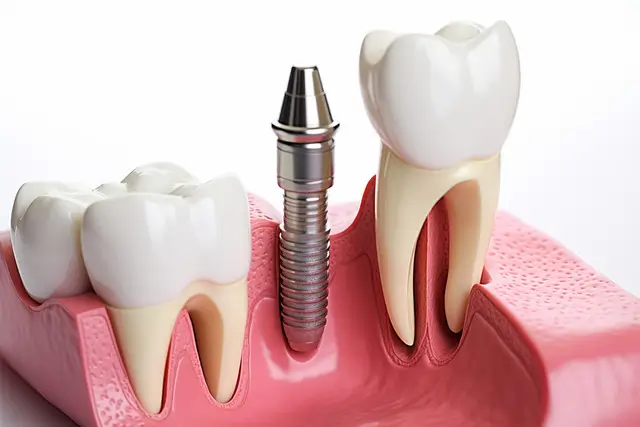
Dental implants are artificial tooth roots made from titanium or similar materials. They’re surgically placed into your jawbone and topped with a crown that looks and feels like a natural tooth. While implants cannot decay like real teeth, the surrounding gum tissue and bone can be affected by bacteria and plaque buildup.
Just like your natural teeth, implants require daily cleaning to prevent gum inflammation, also known as peri-implantitis. This condition can cause bone loss around the implant and, in severe cases, failure of the implant itself.
In Thailand’s warm and humid climate, bacteria can thrive faster in the mouth. That makes daily dental hygiene especially important.
---
### What Exactly Is a Water Flosser?
A water flosser (also called an oral irrigator) is a device that shoots a stream of water to clean between teeth and along the gumline. Unlike traditional floss, which uses a thread to scrape away plaque, a water flosser gently rinses food particles and debris out of hard-to-reach areas.
Many people in Thailand find water flossers easier to use, especially if they have dental work like bridges, implants, or braces. Shops in Bangkok’s dental districts or online platforms like Lazada and Shopee offer various models, from basic handheld ones to advanced machines with adjustable pressure settings.
---
### Is a Water Flosser Safe for Dental Implants?
The answer is generally **yes**—when used correctly. Dentists across Thailand often recommend water flossers to patients with dental implants because they provide gentle cleaning without damaging the crown or the surrounding tissue.
The stream of water helps remove plaque and food particles around the implant, including areas where traditional floss might not reach. This reduces the risk of gum problems and keeps your mouth fresher.
However, safety depends on proper technique. If you set the water pressure too high, it might cause gum irritation. Most professionals advise starting with the lowest pressure setting and adjusting only if necessary.
---
### Benefits of Using a Water Flosser for Implants
1. **Gentle Cleaning** – Unlike some types of floss that can accidentally scratch the crown or irritate gums, water flossers use a soft s
tream.
2. **Better Access** – Implants often have tight spaces around them. The water stream can reach areas traditional floss struggles to clean.
3. **Comfort** – Especially for people in Thailand who eat sticky or spicy food like som tam or pad krapow, a water flosser quickly rinses away debris.
4. **Reduced Risk of Inflammation** – Consistent use helps prevent gum problems that could jeopardize the implant.
5. **Ease of Use** – Ideal for those with dexterity issues or who find string floss difficult to handle.
---
### How to Use a Water Flosser Safely with Implants
For people with implants, especially in the early months after surgery, it’s wise to consult your dentist before starting with a water flosser. Here’s a step-by-step approach:
1. **Check with Your Dentist** – If your implant is newly placed, your dentist may ask you to wait before using a water flosser.
2. **Use Low Pressure** – Begin with the gentlest setting to avoid stressing the gums.
3. **Aim Correctly** – Direct the water stream along the gumline and around the implant crown.
4. **Daily Use** – Combine water flossing with regular toothbrushing twice a day.
5. **Clean Your Device** – Prevent bacterial buildup in the machine by rinsing and drying after use.
---
### What Dentists in Thailand Say
Dental professionals in Thailand often highlight that water flossers are an effective supplementary tool, but they do not replace brushing. They also recommend pairing water flossing with antimicrobial mouth rinses if you’re prone to gum sensitivity.
For example, a popular recommendation is to use a water flosser after meals, especially if you eat foods like sticky rice or grilled meats that can lodge between teeth and implants.
---
### Common Myths About Water Flossers and Implants
- **“Water flossers can loosen implants.”** – Not true. The stream of water is too gentle to affect the secure position of an implant in the bone.
- **“They can replace brushing.”** – Also false. Water flossers are best used alongside regular brushing.
- **“They’re only for people with braces.”** – Many implant patients benefit from this technology.
---
### Final Thoughts
If you have dental implants in Thailand, investing in a good water flosser can be a smart move for your oral hygiene. They are generally safe as long as you use them properly and follow your dentist’s advice.
Remember that prevention is key—healthy gums mean a longer life for your implants and fewer trips to the clinic. Whether you’re in Phuket enjoying seafood or in Bangkok savoring street food, a water flosser can help keep your smile clean, fresh, and confident.
---
**SEO Keywords:**
water flosser for dental implants, dental care Thailand, oral hygiene with implants, is water flosser safe, dental implant cleaning tips, gum health Thailand