How to Clean Dental Implants the Right Way
How to Clean Dental Implants the Right Way
**How to Clean Dental Implants the Right Way**
Dental implants have become a popular solution in Thailand for replacing missing teeth. They look natural, feel comfortable, and can last for many years when cared for properly. However, just like natural teeth, implants need daily cleaning to prevent problems like gum disease, bad breath, and damage to the implant itself. Many people think implants are “maintenance-free,” but that’s far from the truth. Understanding how to clean them the right way is essential to protect your smile and investment.
### Why Cleaning Dental Implants Is So Important
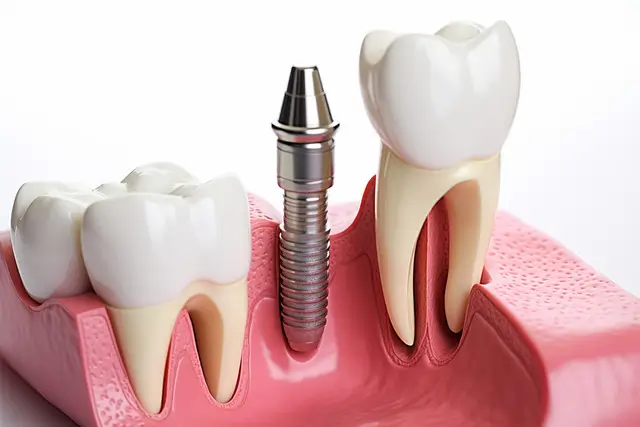
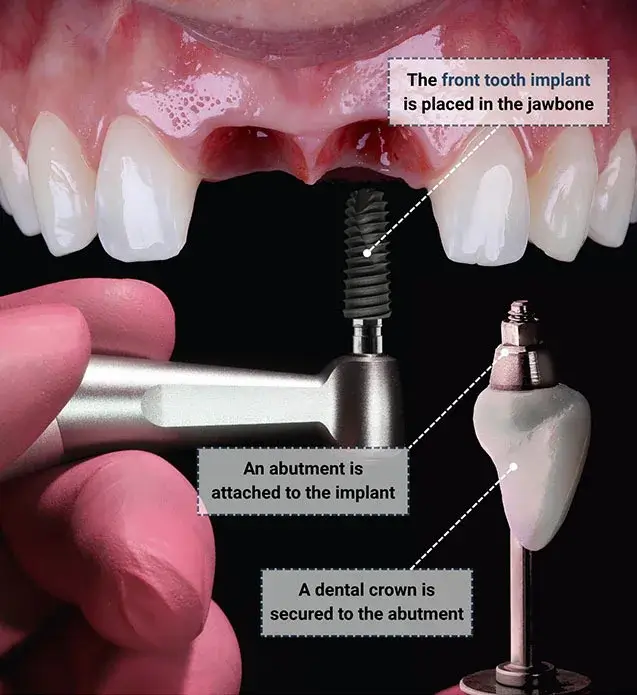
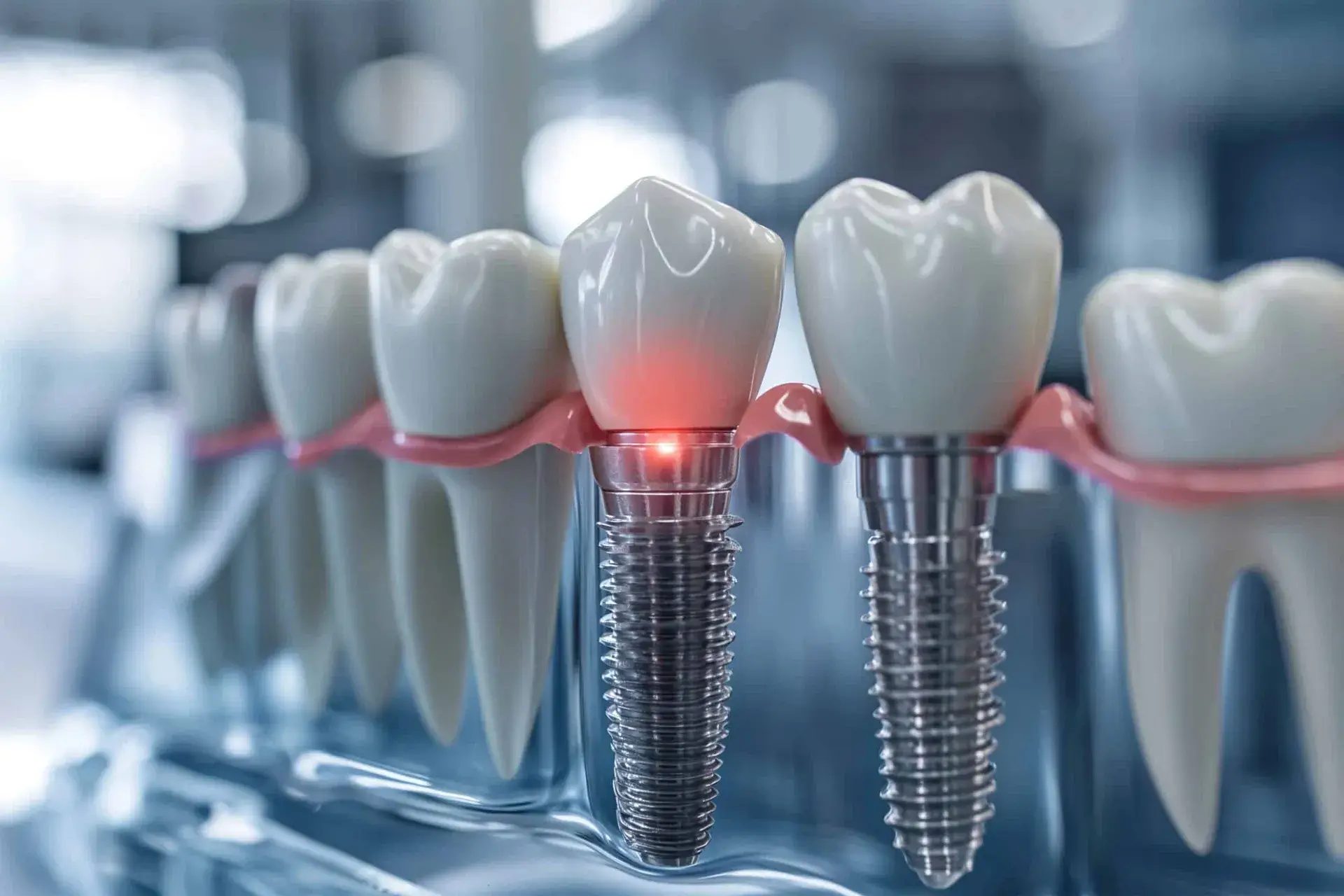
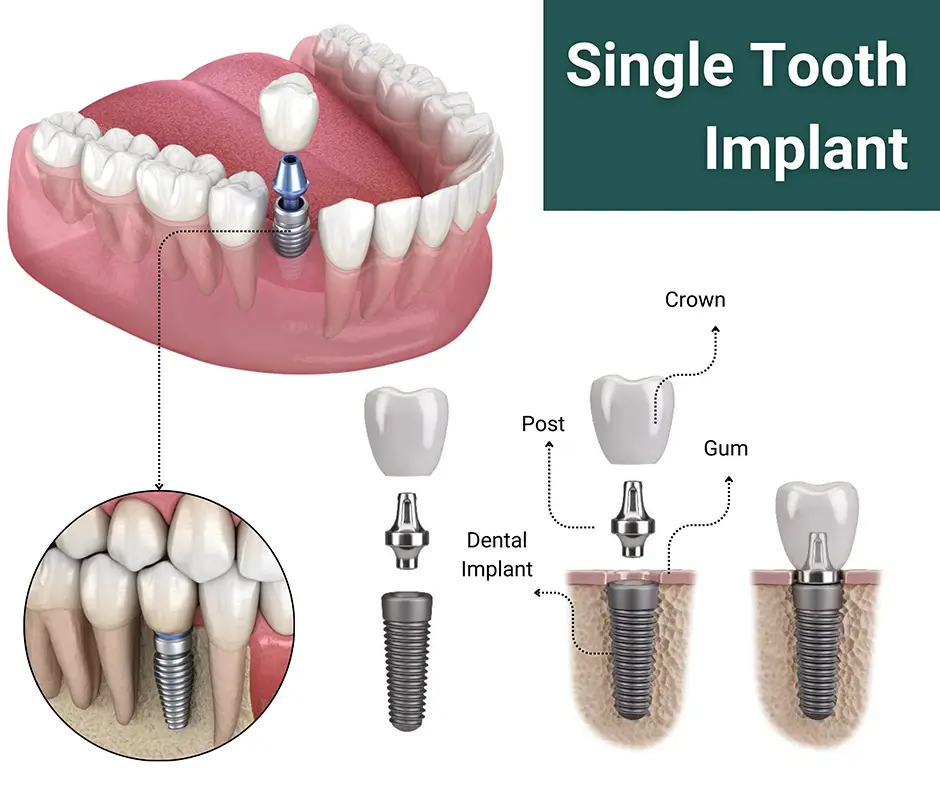
Unlike normal teeth, implants are made from materials like titanium. They cannot decay, but the surrounding gum tissue and bone can be affected by bacteria. Without proper cleaning, plaque and food particles can build up around the implant. This can lead to peri-implantitis, an infection similar to gum disease, which may cause the implant to loosen or fail. In Thailand’s warm climate, where food is often sticky, spicy, and rich in flavor, food residue can cling more stubbornly to your teeth and implants, making daily hygiene even more crucial.
### Step-by-Step Guide to Cleaning Dental Implants
**1. Brush Twice Every Day**
Use a soft-bristled toothbrush to avoid scratching the implant’s surface or irritating the gums. In Thailand, many people enjoy sweet iced drinks and street food throughout the day, so brushing after meals can help keep your implants clean. Angle your brush toward the gumline and make gentle circular motions. This removes plaque effectively without damaging delicate tissues.
**2. Choose the Right Toothpaste**
Some whitening toothpaste brands contain abrasive particles that may scratch the crown or surrounding gum area. Instead, use a non-abrasive toothpaste recommended by your dentist. Fluoride toothpaste is still important because it protects any remaining natural teeth and helps keep your mouth fresh.
**3. Floss or Use Interdental Brushes Daily**
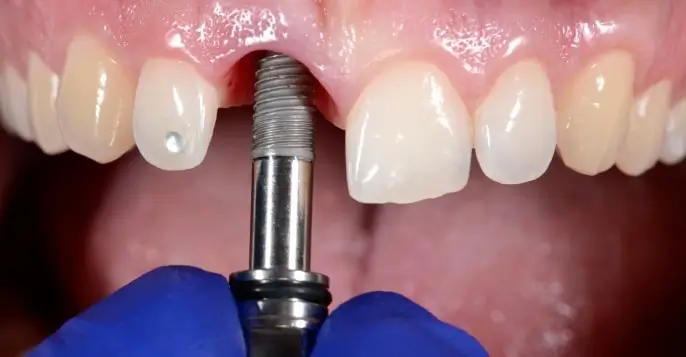
The space between your implant and natural teeth can trap food easily. Dental floss or interdental brushes are perfect for cleaning these gaps. Many Thai dentists suggest using floss designed for implants, which is softer and has a spongy middle section to clean around the metal post gently.
**4. Rinse With Antibacterial Mouthwash**
A gentle rinse with alcohol-free mouthwash helps kill bacteria and freshen your breath. Avoid mouthwashes with harsh alcohol, as they can dry out your mouth. This is especially important in hot climates where dehydration happens quickly.
**5. Consider a Water Flosser**
For those with several implants or bridges, a water flosser can be a great investment. It uses a gentle jet of water to flush out food particles and plaque along the gumline. Many people in Thailand find this more comfortable than traditional flossing, especially after eating sticky rice or chewy
snacks.
### Extra Care Tips for Long-Term Implant Health
- **Visit Your Dentist Twice a Year**: Regular checkups in Thailand are affordable compared to many countries. Your dentist will professionally clean your implants and check for any signs of problems.
- **Adjust Your Diet When Possible**: While you don’t have to stop eating your favorite Thai dishes, reducing overly hard or sticky foods may help protect the implant.
- **Quit Smoking**: Smoking slows gum healing and increases the risk of implant failure. If you can quit, your implant — and your overall health — will benefit.
- **Stay Hydrated**: A dry mouth encourages bacterial growth. Drink plenty of water, especially after meals and snacks.
### Common Mistakes to Avoid When Cleaning Implants
- **Brushing Too Hard**: This can damage your gums, causing them to recede and expose the metal parts of the implant.
- **Skipping Flossing**: Even though implants don’t decay, food particles can still cause gum inflammation.
- **Using Metal Dental Picks**: While tempting for removing tough bits of food, these can scratch the crown or gum.
- **Ignoring Early Warning Signs**: Swelling, redness, or bleeding around the implant should be checked immediately. The earlier you treat an issue, the easier it is to resolve.
### How Implants Differ from Natural Teeth in Cleaning
Natural teeth are linked to your body by ligaments and nerves, while implants are anchored directly to the jawbone. This means they react differently to pressure and bacteria. Cleaning implants is slightly more delicate because damage to the surrounding tissue can’t be healed in the same way as a natural tooth. Knowing this helps you approach your daily oral hygiene with care and patience.
### A Daily Cleaning Routine Example
Morning:
- Brush for two minutes with a soft toothbrush and non-abrasive toothpaste.
- Floss or use an interdental brush between teeth and around the implant.
- Rinse with alcohol-free antibacterial mouthwash.
After Lunch (Optional but Recommended in Thailand):
- Quick rinse with water or mouthwash to remove food residue from flavorful dishes.
Evening:
- Brush thoroughly again, paying close attention to the gumline.
- Use a water flosser if available.
- Finish with mouthwash to keep bacteria in check overnight.
### Conclusion
Dental implants offer a second chance at a healthy, beautiful smile — but they need proper care to last. In Thailand, with its vibrant cuisine and warm weather, cleaning implants daily is even more important. By brushing gently, flossing correctly, and visiting your dentist regularly, you can keep your implants in top condition for years. Think of your implants not just as replacements for teeth, but as valuable investments in your health and confidence. A few minutes of care each day will ensure you keep enjoying every smile, meal, and conversation without worry.