Why Your Implant Feels Different From Natural Teeth
Why Your Implant Feels Different From Natural Teeth
**Why Your Implant Feels Different From Natural Teeth**
If you’ve recently had a dental implant in Thailand—whether in Bangkok, Phuket, or Chiang Mai—you might have noticed something: it doesn’t feel exactly like your natural tooth. For many patients, this is surprising at first. Implants are designed to look, function, and last like real teeth, but because of their structure and the way our bodies work, they can have a slightly different sensation. Let’s explore why this happens, what’s normal, and when you should seek advice from your dentist.
---
### **Understanding the Basics of Dental Implants**
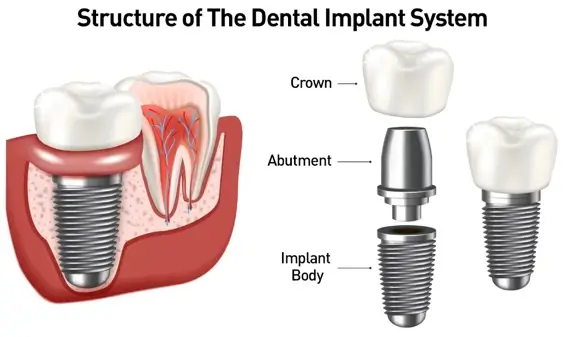
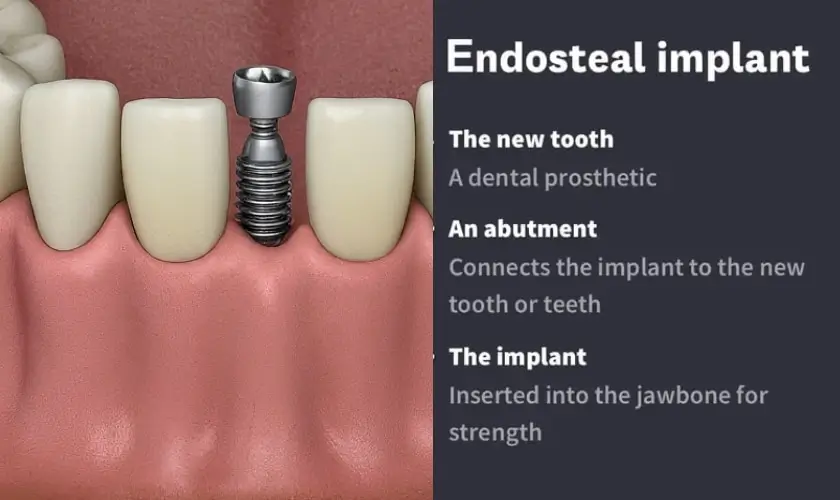
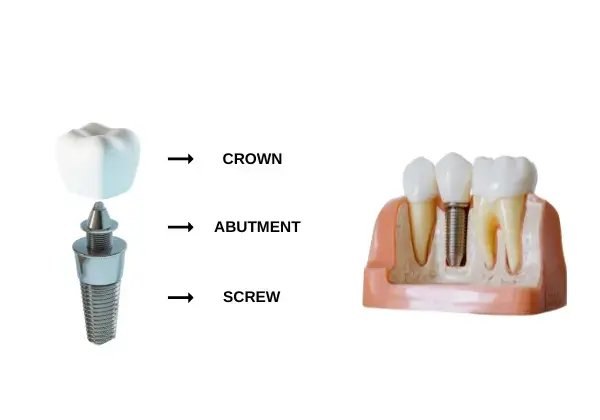
A dental implant is not just a replacement tooth. It’s made up of three main parts:
1. **The implant post** – a titanium screw placed into the jawbone, acting like the tooth root.
2. **The abutment** – a connector that joins the implant post to the dental crown.
3. **The crown** – the visible part that looks like your natural tooth.
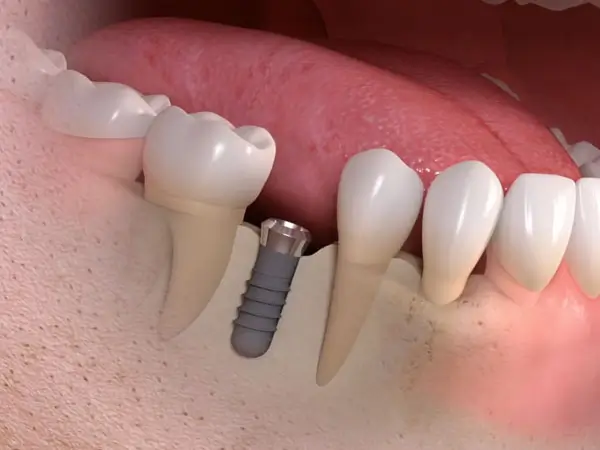
Unlike a natural tooth that is attached to your jawbone through a periodontal ligament, a dental implant fuses directly to the jawbone through a process called **osseointegration**. This is the main reason why your implant might feel different—it’s supported differently inside your mouth.
---
### **Why Does an Implant Feel Different?**
#### 1. **No Natural Ligament Cushion**
Natural teeth are cushioned by a periodontal ligament, which has tiny nerve endings that can detect pressure and small movements. This is why you can feel even the smallest grain of rice between your teeth. A dental implant doesn’t have this ligament, so while it’s very stable, it won’t give you the same type of feedback. You will still feel pressure through the surrounding gums and bone, but the sensation is less delicate compared to a natural tooth.
#### 2. **Different Pressure Distribution**
Because implants are directly attached to the bone, the way they bear force is slightly different. When you bite, a natural tooth can “move” microscopically to adjust. An implant cannot. In daily life, this difference is subtle, but some people notice it when eating something hard like crispy fried chicken or Thai-style roasted peanuts.
#### 3. **Adaptation Phase**
If your implant is new, your mouth and brain are still adjusting. Your bite may feel slightly unusual because your brain is used to the sensory input of natural teeth. Usually, this adapts over a few weeks, but it can take longer for some people—especially if multiple implants were placed.
#### 4. **Shape and Texture of the Crown**
Your dentist in Thailand will match your crown to your bite and smile, but tiny variations in shape or texture compared to your original tooth can be noticed, especially by your tongue. Over time, your tongue adapts and stops focusing on this difference.
---
### **When to Expect That “Natural” Feeling**
For most patients, an implant starts to feel more like a natural tooth after **a few months** of normal use. The brain learns to recognize it as part of the mouth’s chewing system. If you’ve had implant
s on both sides of your mouth, the adjustment might be faster because the balance feels even.
However, it’s important to understand that even after years, the sensory experience from an implant will never be exactly the same as a natural tooth—it’s just how human anatomy works.
---
### **When to See Your Dentist**
While it’s normal for an implant to feel slightly different, there are certain changes you should not ignore:
- Sudden pain or discomfort around the implant site
- Swelling or redness of the gums after the healing period
- A feeling that the tooth is loose
- Pressure or bite feeling “off” after months of use
If you experience any of these, it’s best to visit your dentist promptly. Thailand has many reputable dental clinics—both in city centers and tourist-friendly areas—that can perform quick checks to ensure your implant is healthy.
---
### **Caring for Your Implant to Keep It Comfortable**
One reason implants can start to feel odd after some time is due to gum or bone issues. Taking care of them just like (or even more than) natural teeth is essential:
- **Brush twice daily** using a soft-bristle toothbrush.
- **Floss or use interdental brushes** around the implant.
- **Rinse with mouthwash** to help control bacteria.
- **Visit your dentist every 6 months** for cleaning and check-ups.
For people living in Thailand or visiting for dental tourism, combining regular check-ups with general health checks is a smart choice, as many clinics offer integrated care at affordable rates.
---
### **The Psychological Aspect**
Sometimes, the feeling of difference is not purely physical—it’s also psychological. Knowing that part of your tooth is “artificial” can make you more aware of it. Many patients report that after a while, they stop thinking about it entirely, especially once they see how natural it looks in photos and how well it performs when eating their favourite Thai dishes, from sticky rice to grilled seafood.
---
### **Final Thoughts**
Dental implants are a long-term, reliable solution for missing teeth, offering strength and aesthetics that are very close to natural teeth. It’s perfectly normal to notice some differences at first—this doesn’t mean something is wrong. In fact, most people in Thailand who’ve had implants say they quickly forget they even have them.
The key is to understand **why** the sensation is different, give yourself time to adapt, and maintain excellent oral hygiene. With the right care and mindset, your implant will not only look natural but also feel comfortable for many years.
---
If you’ve recently had an implant and are still noticing differences, remember—your body is simply adapting. Patience, proper care, and regular dental visits will ensure that soon, your new tooth will feel like it’s always been a part of you.
Would you like me to also prepare an **SEO-optimized meta title, description, and keyword list** for this article so it can rank better on Google? That would make the article more effective for online publishing.