When It’s Safe to Get Back to Gym Workouts After Implants
When It’s Safe to Get Back to Gym Workouts After Implants
**When It’s Safe to Get Back to Gym Workouts After Implants**
For many people in Thailand, staying fit is part of daily life—whether it’s morning yoga in Lumpini Park, hitting the weights at a Sukhumvit gym, or joining a Muay Thai class after work. But when you’ve had implants—whether breast, dental, facial, or even joint replacements—it’s important to know when and how you can safely return to your usual workouts. Jumping back in too soon can risk your health or slow down your recovery. This guide will walk you through the key points so you can get back to your exercise routine confidently and safely.
---
### Understanding Why Recovery Time Matters
Implants, regardless of type, involve surgery. Your body needs time to heal from incisions, swelling, and tissue adjustment. For example:
- **Breast implants** require your chest muscles and surrounding tissues to recover before you load them with weight training or upper-body exercises.
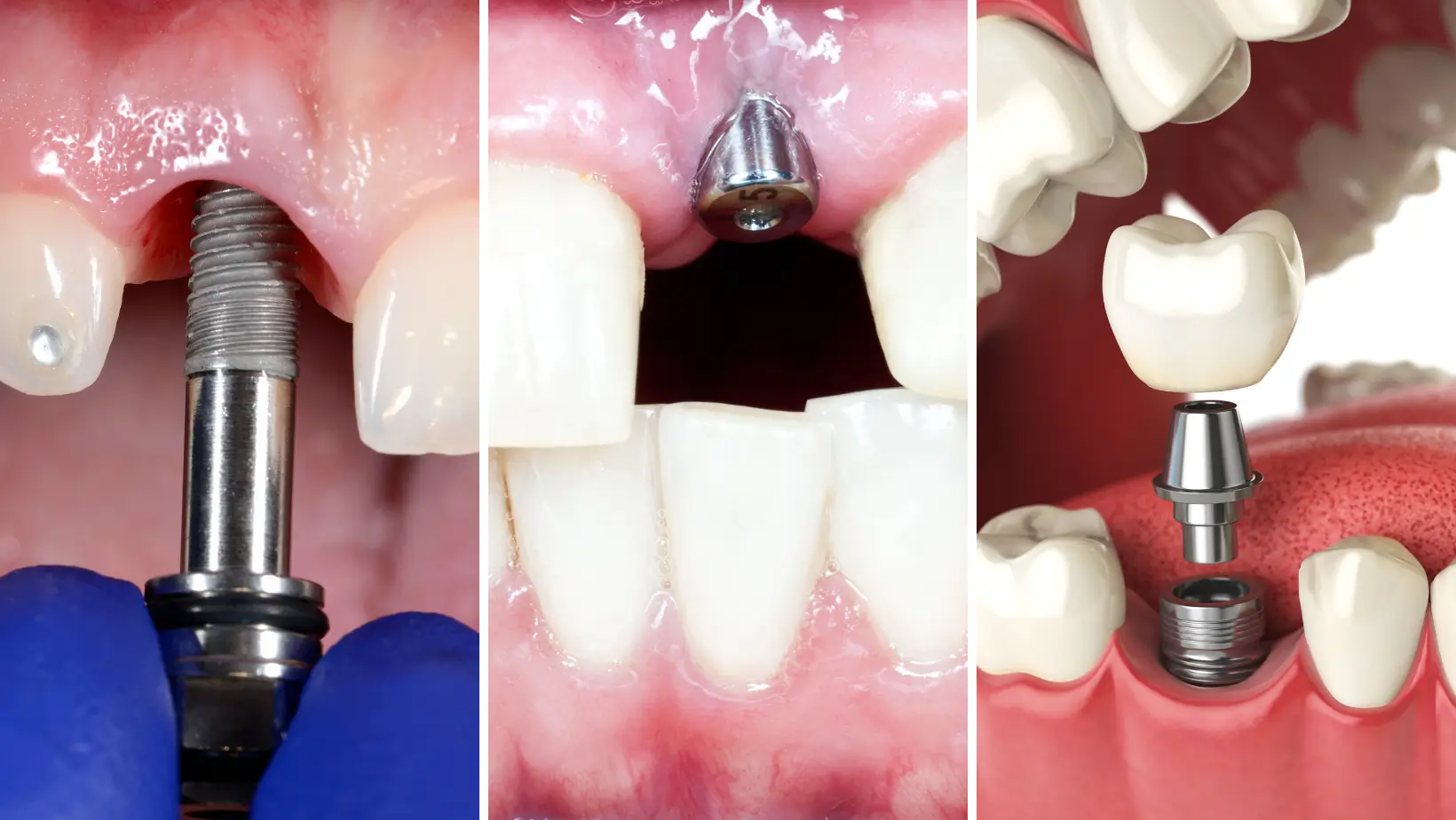
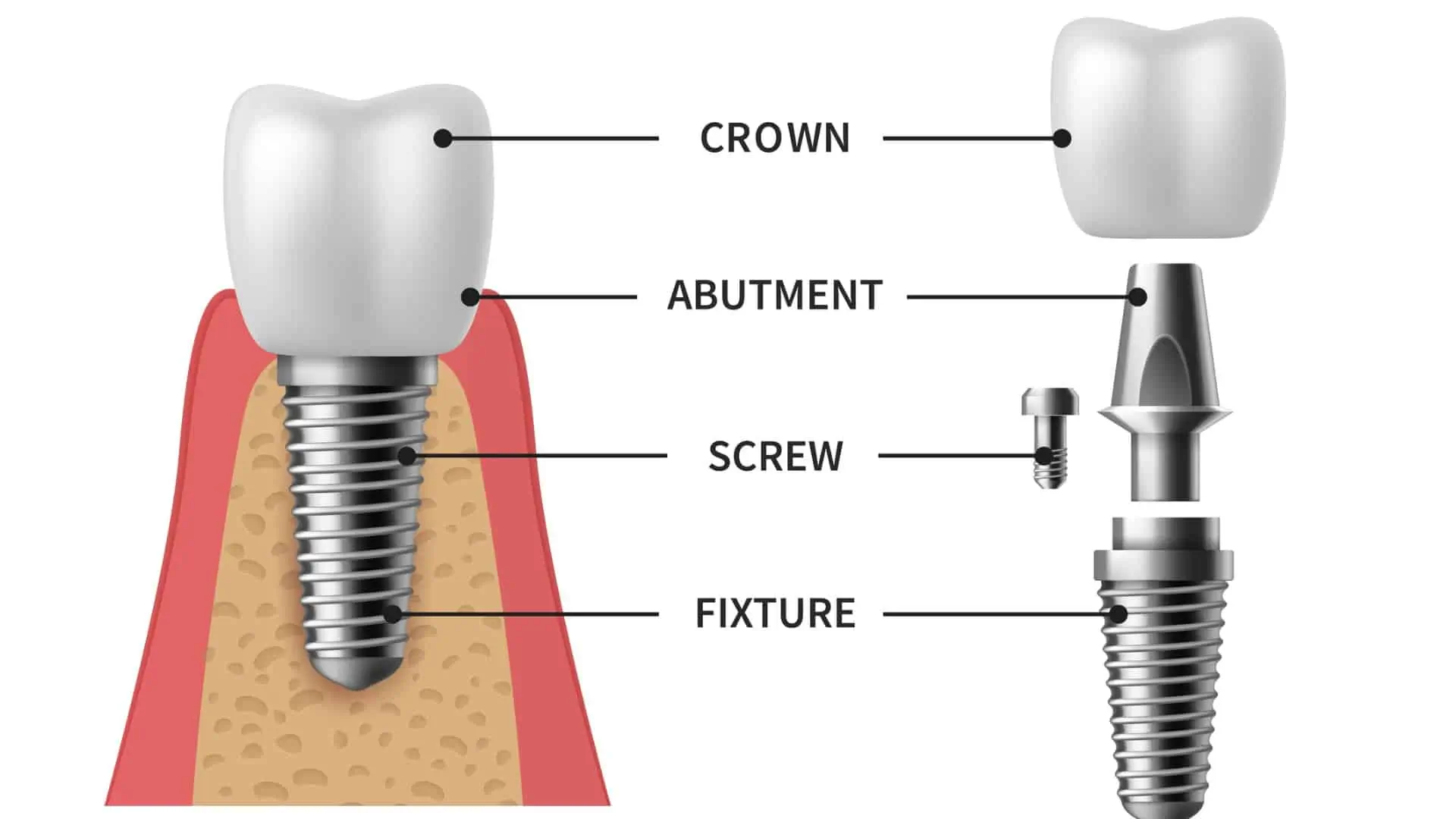
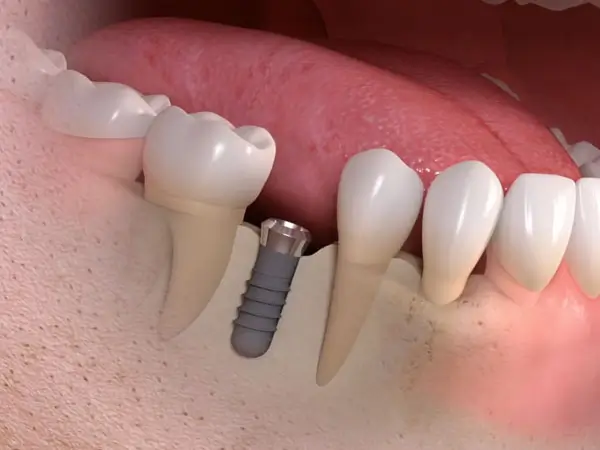
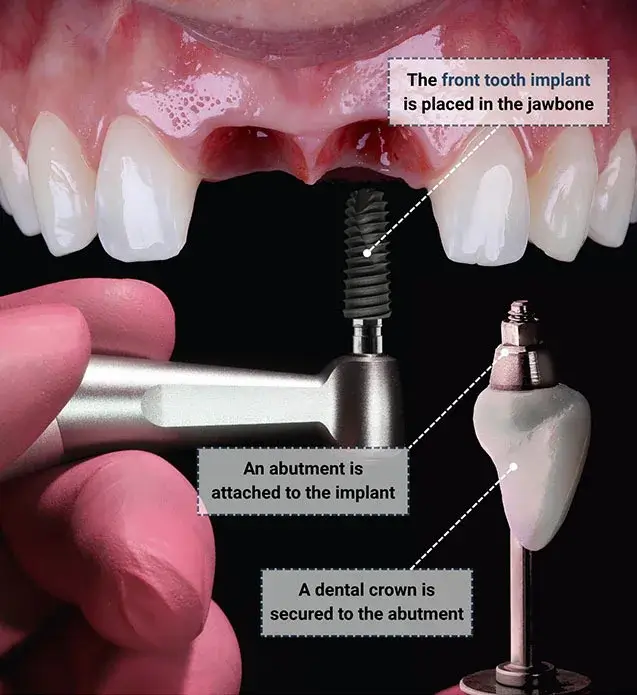
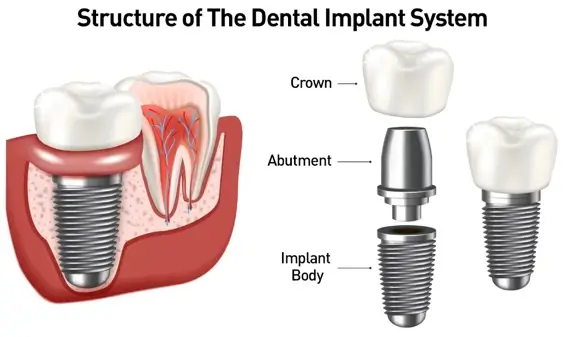
- **Dental implants** need the jawbone to fully integrate with the implanted post before any intense jaw movement or contact sports.
- **Facial implants** (like chin or cheek augmentation) involve healing skin and soft tissue, which can be affected by sweat, impact, or strain.
- **Joint replacements** (hip, knee, shoulder) require gradual strengthening of muscles and ligaments without overloading the new joint.
In Thailand, where the climate is hot and humid, you also need to consider how heat and sweat might influence your recovery—especially with fresh surgical wounds.
---
### Typical Recovery Timeline Before Resuming Workouts
While recovery speed varies for each person, these are common ranges:
- **Light activity:** For most implants, light walking can start within a few days, as long as the doctor approves. This promotes blood circulation and reduces swelling.
- **Gentle exercise:** From around 2–4 weeks, many people can begin low-impact workouts like stretching, stationary cycling, or basic bodyweight movements.
- **Full workouts:** High-intensity training, heavy lifting, or full-contact sports usually need 6–12 weeks of healing time, depending on the surgical area and complexity.
It’s not only about the number of weeks—it’s about how your body feels and what your surgeon says. Some recover faster, others need more patience. In Bangkok’s fitness scene, it’s tempting to rejoin your training group quickly, but waiting until you’re fully ready is worth it in the long run.
---
### Listen to Your Surgeon, Not Just Your Fitness Goals
A common mistake is following a fixed workout plan instead of your surgeon’s advice. In Thailand, many gyms offer standard programs, but after surgery, your body is not “standard.” Surgeons know how your tissues were handled and how your recovery is progressing.
Your check-ups are the best times to ask:
- Which exercises are safe for now?
- How much weight or intensity is allowed?
- Are there movements you must avoid permanently?
Even if you feel fine, microscopic healing is still happening inside. Pushing too hard too soon can lead to bleeding, shifting of the implant, or long-term discomfort.
---
### Start Slow and Focus on Form
When you finally step back into your favourite gym in Chiang Mai or Phuket, resist the urge to go full speed. Start with lighter weights, shorter d
urations, and slower movements.
For example, after breast implants, avoid chest presses, push-ups, or heavy overhead lifts until you get medical clearance. Instead, focus on:
- Walking or treadmill at a moderate pace
- Gentle lower-body workouts like bodyweight squats
- Stretching or yoga, keeping pressure off the surgical area
The same principle applies to other implants—train muscles away from the surgery site first, and only reintroduce intense loads once healing is complete.
---
### Be Mindful of Heat, Sweat, and Hygiene
Thailand’s tropical weather means higher sweating during workouts, which can irritate healing skin or create conditions for infection if wounds aren’t fully closed. When you’re back at the gym:
- Wear clean, breathable gym clothes
- Wipe sweat promptly, especially around the surgical area
- Avoid public sauna or steam rooms until your doctor says it’s safe
Hygiene is key—gyms are high-contact environments, and infection risk is not something you want while recovering from surgery.
---
### Nutrition and Hydration Support Recovery
Post-surgery recovery isn’t only about the workout schedule—it’s also about what you eat and drink. For those living in Thailand, you’re lucky to have access to fresh tropical fruits, vegetables, and fish. These can help support healing:
- Protein from eggs, chicken, tofu, or fish helps tissue repair
- Vitamin-rich papaya, mango, and leafy greens boost immunity
- Plenty of water keeps your body hydrated, especially with the heat
Avoid excessive alcohol or sugary drinks during recovery—they may slow healing and reduce energy.
---
### Watch for Warning Signs
Even after the doctor clears you, pay attention to any pain, swelling, or unusual sensations during workouts. Stop immediately and seek medical advice if you notice:
- Sharp or persistent pain at the implant site
- Redness, swelling, or warmth in the area
- Changes in shape or position of the implant
- Fever or general feeling of sickness
Catching issues early ensures faster treatment and better long-term results.
---
### Returning to the Gym: Step-by-Step Approach
Here’s a simple way to reintegrate exercise:
1. **Week 1–2 after clearance:** Light cardio and mobility exercises.
2. **Week 3–4:** Add gentle resistance training for non-affected areas.
3. **Week 5 onwards:** Gradually reintroduce targeted exercises with lower intensity and build up.
4. **After 2–3 months:** Return to your full routine, as long as your body feels strong and stable.
This approach works well for many people in Thailand who combine gym training with outdoor activities—balancing both keeps your fitness fun and varied.
---
### Final Thoughts
Getting back to gym workouts after implants is not just about hitting a timeline—it’s about listening to your body, following your surgeon’s advice, and respecting the healing process. In Thailand’s active lifestyle culture, it can be hard to slow down, but taking a cautious approach ensures you’ll return to training stronger, safer, and with long-term health in mind.
Your fitness journey doesn’t end with surgery—it just takes a temporary detour. Once your body is healed, you can enjoy Muay Thai, circuit training, yoga, or weightlifting again, knowing you gave yourself the best chance for safe recovery.