How Age Affects Implant Success Rate in 2025
How Age Affects Implant Success Rate in 2025
**How Age Affects Implant Success Rate in 2025**
When it comes to dental implants, one of the most common questions people ask—whether in Bangkok, Chiang Mai, or Phuket—is how age affects the success rate. With advancements in dental technology in 2025, implants have become a preferred solution for replacing missing teeth for both young adults and older people. But age does play a role, and understanding this can help you make an informed decision and ensure a better outcome.
Let’s explore how age influences implant success, why modern techniques have improved results, and what you can do to increase your chances of long‑term success—no matter your age.
---
### **Why Age Matters in Dental Implant Procedures**
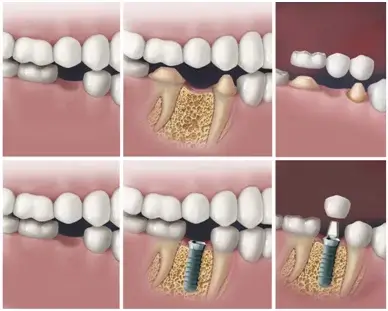
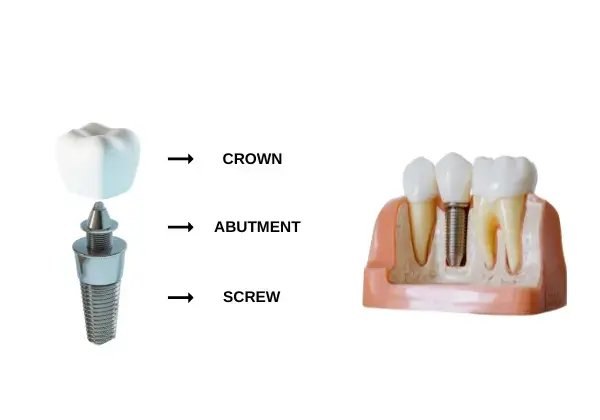
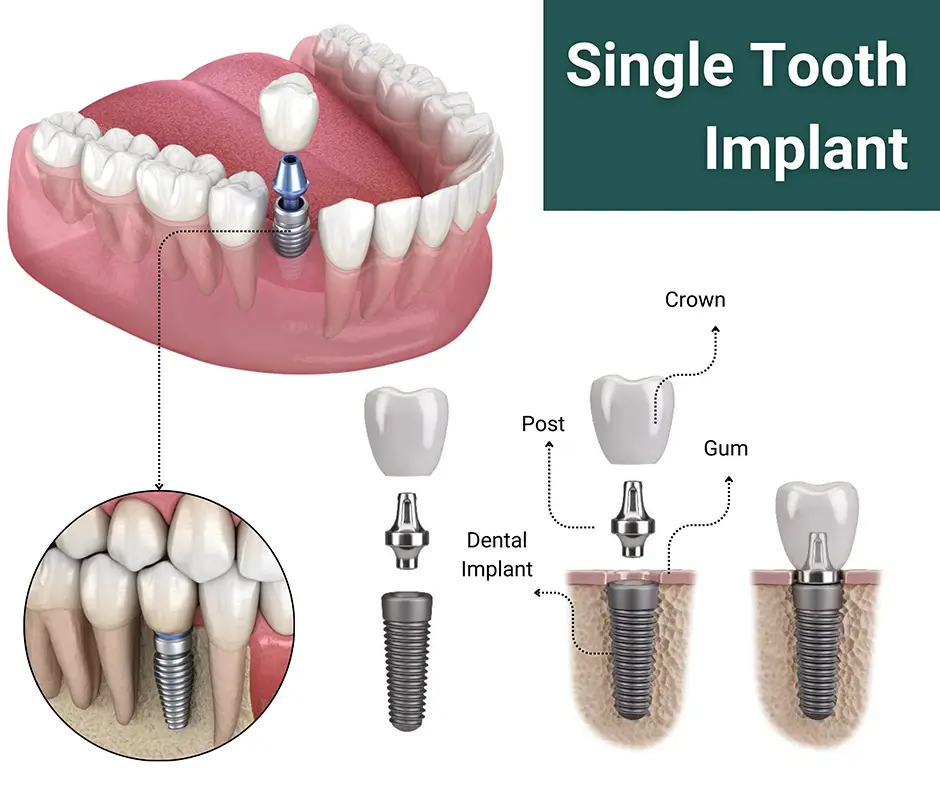
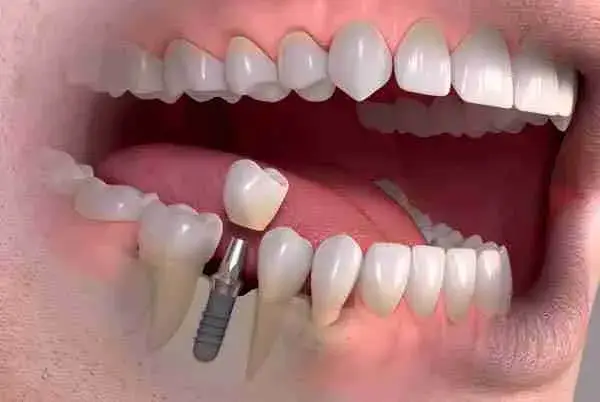
Dental implants rely on a process called **osseointegration**, where the titanium post fuses with your jawbone. In younger patients, bone regeneration tends to be faster, and the healing process is more efficient. Meanwhile, older patients may face slower healing due to natural biological changes such as reduced bone density and circulation.
That said, chronological age alone is not the only factor. In Thailand, dentists often emphasise that **overall health condition** matters more than age. A healthy 65-year-old with strong gums and no chronic illness can have a higher implant success rate than a younger person with untreated gum disease or poor oral hygiene.
---
### **Implant Success Rate Trends in 2025**
In 2025, the global average dental implant success rate ranges from **94% to 98%**, and Thailand is keeping pace with this standard, thanks to improved surgical planning and advanced bone grafting techniques. Digital imaging, 3D scans, and computer‑guided surgery have made procedures far more precise, reducing risks and improving long-term stability.
For younger patients (under 40), success rates tend to be on the higher end—often above 97%—because bone quality is optimal, and recovery is faster. In older adults (above 60), success rates remain high, usually above 94%, provided there is proper pre‑treatment planning and management of any health conditions.
---
### **Physical Health and Lifestyle Are Key**
Whether you are in your 30s or 70s, dentists will always assess your health thoroughly before recommending implants.
Key factors affecting success include:
1. **Bone Quality** – Adequate bone density is essential for implant stability.
2. **Gum Health** – Periodontal disease can compromise implants.
3. **Medical Conditions** – Diabetes, osteoporosis, and heart problems may influence healing.
4. **Lifestyle Habits** – Smoking, high alcohol intake, and poor diet slow recovery.
In Thailand, it’s common for dentists to suggest bone grafting when bone density is insufficient. This pre‑procedure helps improve the foundation for implants, especially in older patients.
---
### **Age‑Related Healing Differences**
- **Younger Adults (20–40 years old)** – Usually experience faster healing, with minimal complications if
oral hygiene is maintained.
- **Middle‑Aged Adults (40–60 years old)** – Healing is still relatively quick, but lifestyle factors such as stress, diet, and early signs of gum recession can affect the process.
- **Older Adults (60+ years old)** – Healing can take longer, but with proper preparation, nutrition, and professional care, success rates remain high.
In 2025, recovery times have shortened across all age groups thanks to innovations such as platelet‑rich plasma therapy, which promotes faster tissue regeneration.
---
### **Common Myths About Age and Implants**
One myth often heard in Thailand is, *“I’m too old for implants.”* This is not true. Age by itself does not prevent you from getting implants. As long as your health is managed and your bone condition is suitable, implants can be successful at 70 or even 80. Another myth is that implants are only for cosmetic purposes. In reality, they help maintain jaw structure, improve chewing efficiency, and protect surrounding teeth from shifting.
---
### **Tips for Boosting Implant Success at Any Age**
1. **Get a Comprehensive Dental & Health Check‑up** – Your dentist will evaluate your bone condition and medical history.
2. **Maintain Excellent Oral Hygiene** – Regular brushing, flossing, and professional cleaning are non‑negotiable.
3. **Follow a Nutrient‑Rich Diet** – Foods high in calcium, vitamin D, and protein support healing.
4. **Avoid Smoking** – Tobacco significantly lowers the success rate by reducing blood flow to the gums.
5. **Attend Regular Follow‑ups** – Schedule visits as advised to monitor healing and implant stability.
---
### **Why Thailand Remains a Top Destination for Implants**
Thailand is known for combining high‑quality dental care with relatively affordable prices compared to many Western countries. In 2025, clinics in Bangkok and other major cities have embraced advanced implant technologies, making treatments safer and more predictable. Many patients choose Thailand not just for the cost savings but also for the comfort of having experienced dentists who speak English and understand cultural nuances, creating a relaxed treatment experience even for older international clients.
---
### **Final Thoughts**
Age can influence the healing process and implant success rate in 2025, but it’s far from being the only deciding factor. Your general health, lifestyle, and commitment to oral care play an even bigger role. With today’s innovations in implant dentistry, even those in their 70s can achieve excellent results and enjoy the full benefits of a healthy, functional smile.
If you’re considering dental implants—whether you’re a university student in Bangkok or a retiree living in Hua Hin—the key is to get a personalised treatment plan from a qualified dentist. With the right preparation and care, the success rate remains extremely high across all age groups, giving you confidence that a complete, natural‑looking smile is possible at any stage of life.