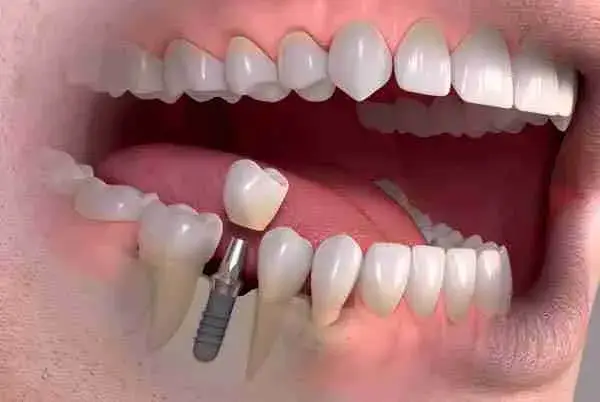
Does Sinus Pressure Affect Upper Implants
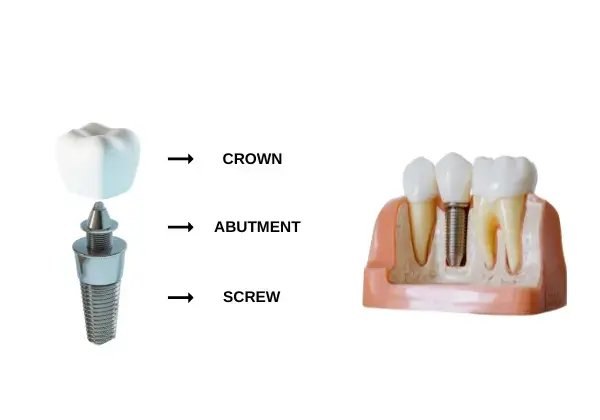
Does Sinus Pressure Affect Upper Implants
**Does Sinus Pressure Affect Upper Implants?**
For many people in Thailand considering dental implants—especially in the upper jaw—one common concern is whether sinus pressure can affect the implants. This question often comes up during consultation visits, particularly for those who have experienced sinus problems before. Let’s explore the relationship between sinus health and upper dental implants in a way that’s easy to understand, while also giving you practical tips to ensure long-term success.
---
### Understanding Upper Dental Implants and Sinus Anatomy
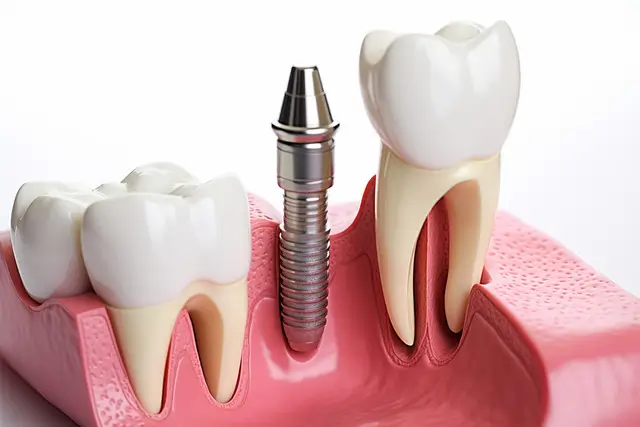
Upper dental implants are placed in the maxilla—the upper jawbone. What makes this area unique compared to the lower jaw is its close proximity to the maxillary sinus cavity. The maxillary sinus is a hollow space located just above the roots of your upper teeth.
When dentists place implants in the upper jaw, especially the back teeth area, they must ensure there is enough bone height to anchor the implant securely without invading the sinus cavity. In some cases, if the bone volume is insufficient, a procedure called **sinus lift** or **sinus augmentation** may be required. This is where the dentist adds bone tissue beneath the sinus membrane to create enough depth for implant placement.
---
### What Is Sinus Pressure?
Sinus pressure is the feeling of heaviness or fullness in the facial area, often accompanied by nasal congestion, headaches, or tenderness around the eyes and cheeks. In Thailand’s humid weather, sinus problems can be triggered by seasonal changes, allergies to dust, or respiratory infections.
This pressure happens when the sinus lining becomes inflamed, either from infection or irritation, leading to fluid build-up. Since the sinuses are located so close to the upper jaw, it’s natural to wonder whether this pressure could interfere with dental implants.
---
### Can Sinus Pressure Affect Upper Implants?
The short answer is: sinus pressure itself does not usually damage upper implants once they are securely integrated into the bone. However, certain sinus-related issues can indirectly impact implant health, especially in the recovery stage.
**Here’s why:**
1. **Healing Phase Sensitivity** – After implant surgery, the implant needs time to fuse with the jawbone, a process called osseointegration. If you experience severe sinus infection or pressure during this stage, swelling and inflammation in the sinus lining can cause discomfort and may slow healing in nearby tissues.
2. **Sinus-Related Bone Loss** – Chronic sinus infections that extend to the bone surrounding the implant area could, in rare cases, contribute to bone resorption (loss). This would weaken the implant’s support.
3. **Sinus Membrane Perforation** – During surgery, if the sinus membrane is accidentally perforated and not properly repaired, pressure changes inside the sinus during infections could be felt more intensely at the implant site.
---
### Signs You Should Watch For
If you have upper implants and sinus pressure occurs, it’s important to know when it’s just temporary discomfort or a possible sign of a larger issue.
Look out for:
- Persistent pain above your upper teeth
- Swelling
of gums near the implant
- Long-lasting nasal congestion or discharge
- Implant site tenderness when pressing your cheek
If these symptoms last beyond a few days, it’s best to visit your dentist or ENT specialist in Thailand for a proper check-up. Early intervention prevents complications.
---
### Protecting Your Upper Implants from Sinus Problems
Many people live happily with upper implants without ever facing sinus-related troubles. The key is prevention and early treatment of sinus conditions. Here are some practical habits that work well in the Thai lifestyle:
1. **Manage Allergies Promptly** – Whether it’s pollen from seasonal blooms or dust from Bangkok streets, controlling allergic reactions reduces sinus swelling. Use prescribed antihistamines or saline sprays if recommended.
2. **Stay Hydrated** – Drinking enough water helps keep your mucous membranes moist and improves sinus drainage, reducing chances of pressure build-up.
3. **Avoid Strong Pressure Changes Post-Surgery** – If you recently had implant placement or sinus lift surgery, avoid activities like scuba diving or flying right away, as sudden pressure changes may disturb healing.
4. **Maintain Good Oral Hygiene** – Healthy gums and teeth lower the risk of infection spreading to sinus areas. In Thailand’s tropical climate, brushing twice a day and using mouthwash is essential.
5. **Schedule Regular Dental Check-Ups** – Many Thai dental clinics offer affordable follow-up visits. This allows your dentist to monitor the implant’s condition and detect sinus changes early.
---
### When Sinus Surgery and Dental Implants Meet
In some cases, people may need sinus surgery before implant placement due to chronic sinusitis or other problems. Combining treatments can be beneficial—it ensures the sinus environment is healthy and stable before the implant is placed. Thai specialists in maxillofacial surgery often work closely with ENT doctors to coordinate such treatments.
If you’ve had a sinus lift procedure, postoperative advice is even more important. This includes avoiding heavy blowing of the nose and sleeping with your head slightly elevated for the first few days to reduce swelling.
---
### The Bottom Line
Sinus pressure itself isn’t usually a direct threat to upper dental implants, especially if the implant has already healed and integrated into the bone. The main concern lies in sinus infections or anatomical issues that could affect bone health or recovery in the early stages. By knowing your sinus history, choosing an experienced dentist in Thailand, and taking preventive steps, you can greatly reduce any risk.
Dental implants are a long-term solution for missing teeth, and with proper care, upper implants can be just as reliable as lower ones. If sinus problems arise, prompt treatment can protect your investment and keep your smile healthy.
In the end, living in a place like Thailand—where humidity and seasonal allergies are common—means sinus health should be part of your overall dental care plan. Regular check-ups, healthy lifestyle choices, and attention to early symptoms will ensure both your sinuses and implants remain in great condition for years to come.