Can You Get Implants If You Grind Your Teeth
Can You Get Implants If You Grind Your Teeth
**Can You Get Implants If You Grind Your Teeth?**
Dental implants are becoming one of the most popular ways to replace missing teeth in Thailand. They look natural, feel comfortable, and can last for many years if cared for properly. But what if you grind your teeth, a condition known as *bruxism*? Many people here experience this habit—especially at night—without even realizing it. If you’re considering implants but also grind your teeth, you might be wondering: is it possible, and is it safe?
Let’s take a closer look at how tooth grinding can affect dental implants, what dentists in Thailand often recommend, and how you can still enjoy a confident smile despite this challenge.
---
### Understanding Bruxism and Its Impact
Bruxism is the involuntary grinding or clenching of teeth. In Thailand, it’s quite common among people who have stressful jobs, irregular sleep patterns, or certain bite problems. It can happen during the day, but most cases occur at night while you sleep.
When you clench or grind excessively, it puts extra pressure on your teeth, gums, jaw muscles, and even your jaw joint. For natural teeth, this can lead to wear, cracks, or sensitivity. For dental implants, which rely on stable support from the jawbone, that overloading can potentially cause complications.
---
### How Dental Implants Work
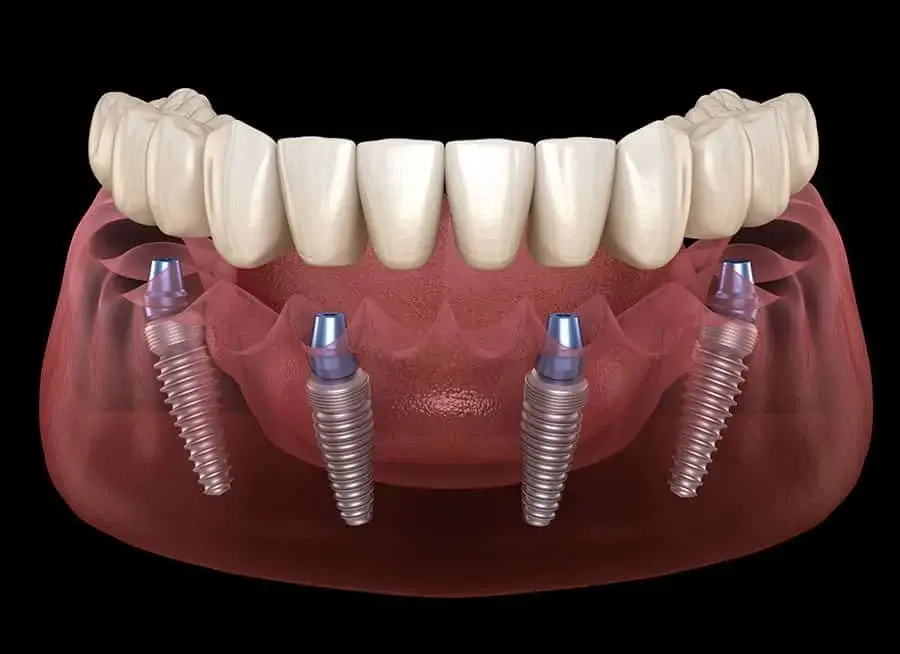
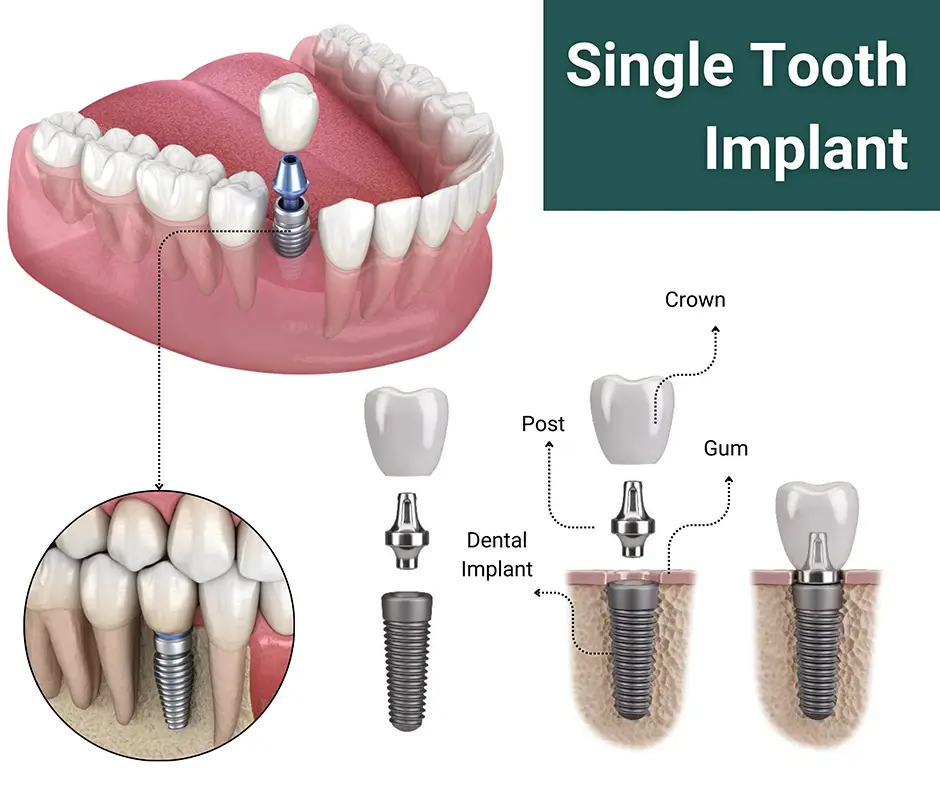
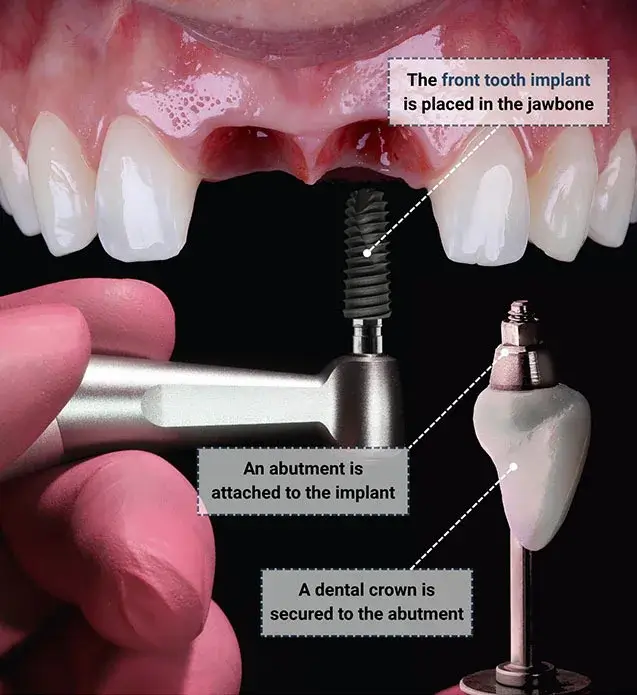
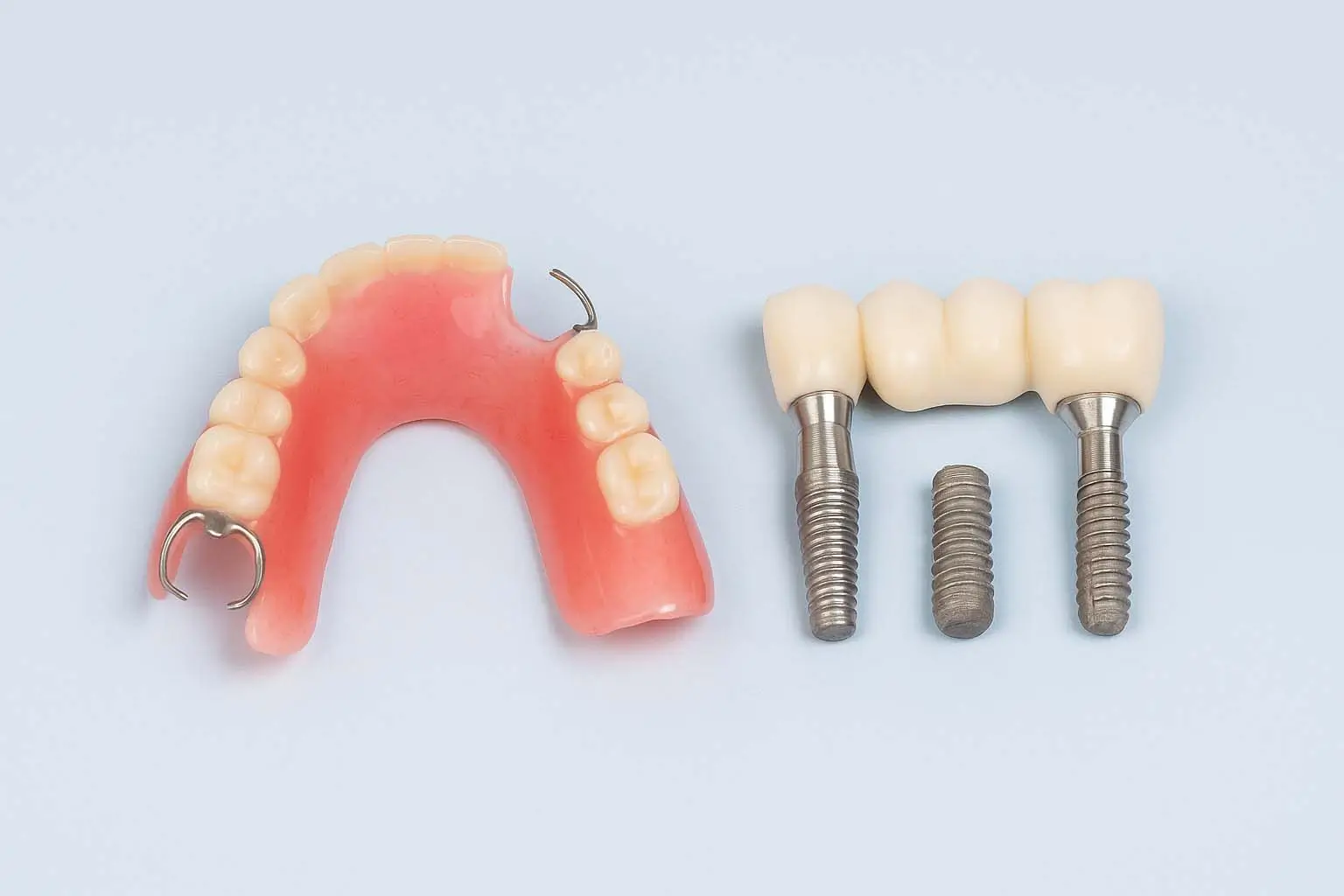
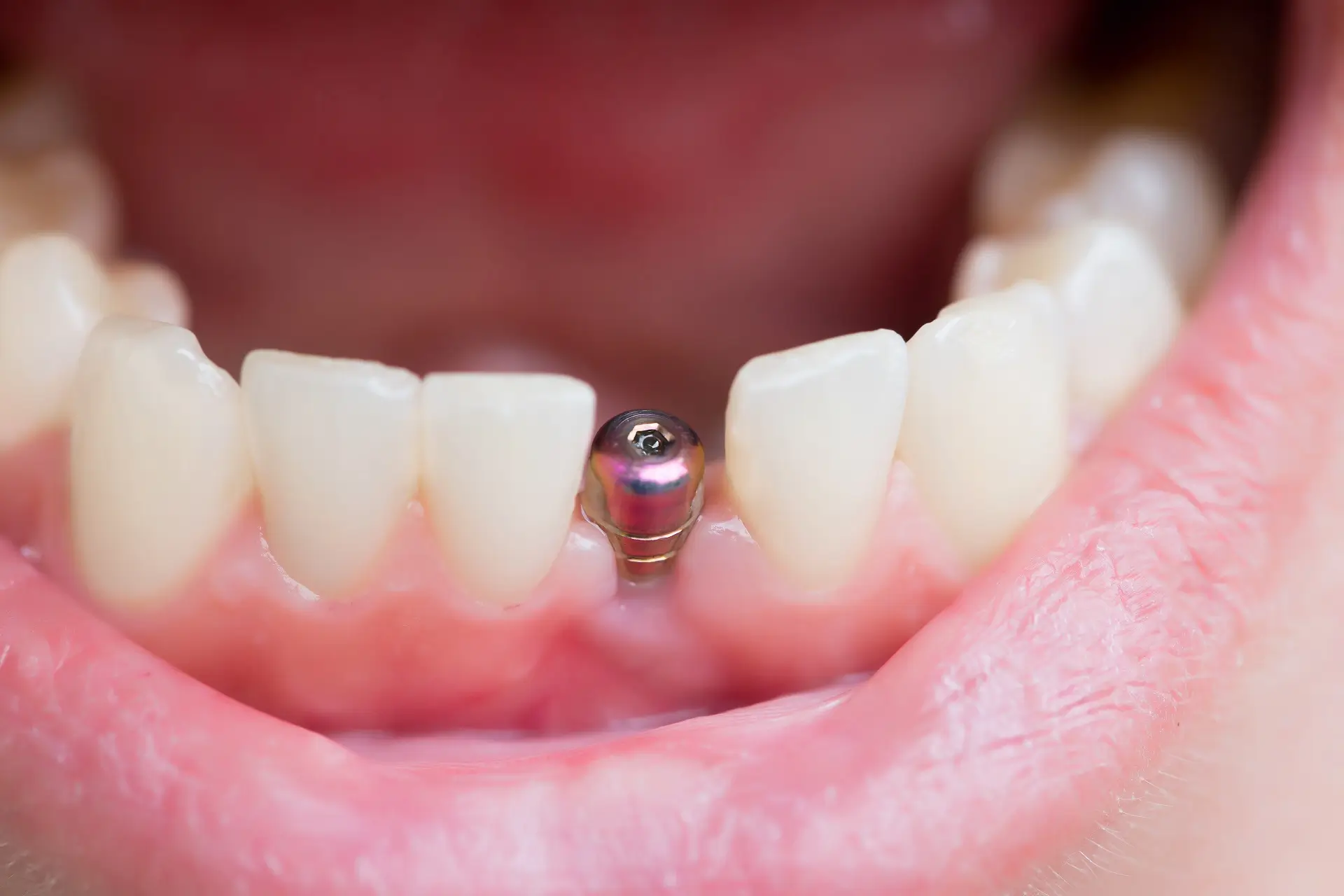
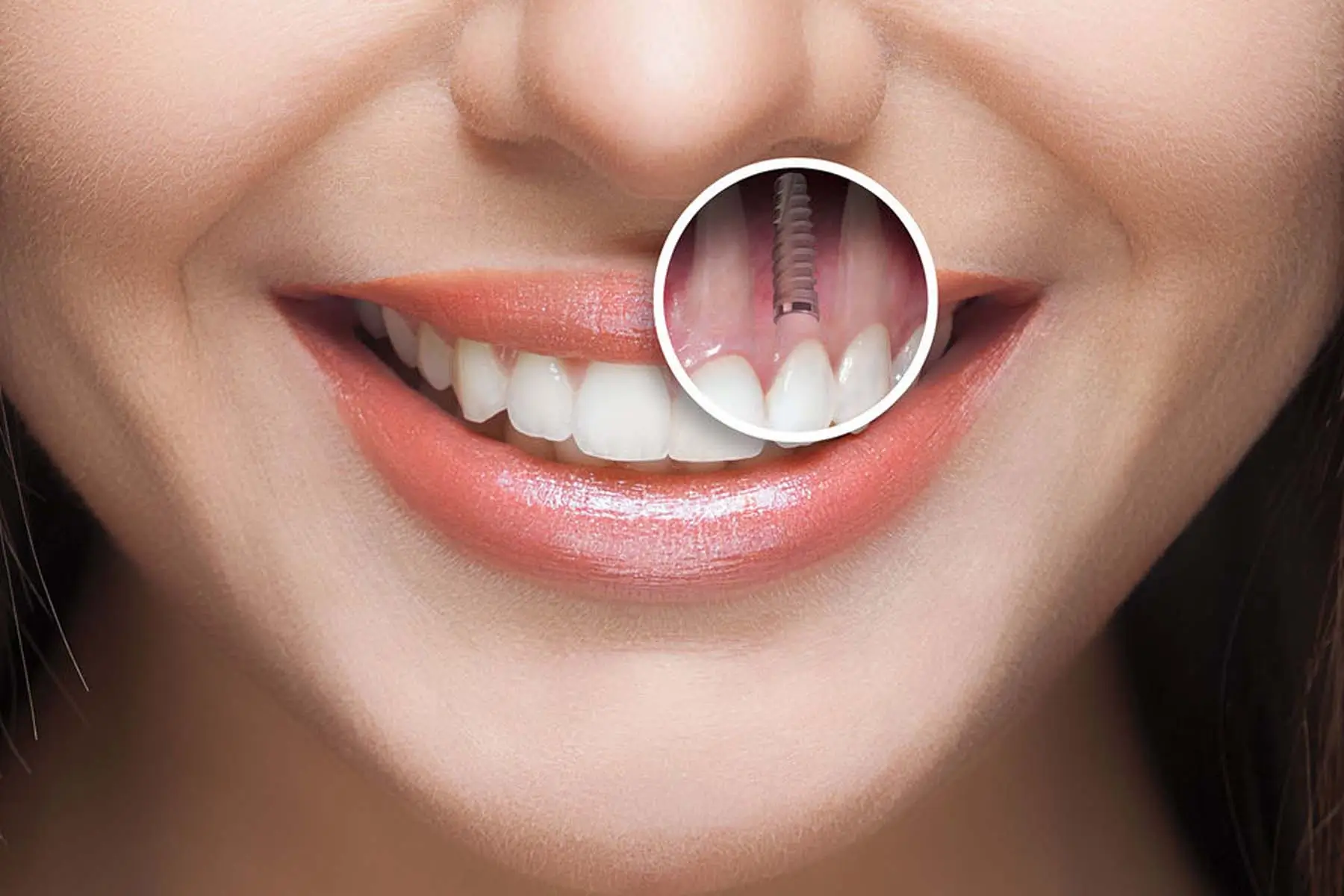
A dental implant is a small titanium post surgically placed into the jawbone, acting as a replacement root for a missing tooth. Over a few months, the bone naturally fuses with the implant through a process called *osseointegration*. Once secure, a crown or bridge is attached, giving you the look and function of a natural tooth.
Implants are strong, but they still depend on healthy surrounding bone and soft tissue. Too much force—like that from constant nighttime grinding—can put stress on both the implant and the crown, increasing the risk of damage.
---
### Is Bruxism a Barrier to Getting Implants?
The good news is that bruxism does not automatically mean you cannot get dental implants. In Thailand, many dentists successfully treat patients with this condition. However, it does require careful planning and some preventive strategies to improve your chances of long-term success.
Here are a few factors your dentist will consider:
1. **Severity of Grinding:** Light, occasional grinding may have minimal impact, while heavy and frequent grinding can require extra protective measures.
2. **Jawbone Health:** Your jawbone needs to have enough density and volume to support the implant, even under increased pressure.
3. **Overall Oral Health:** Healthy gums and a clean mouth contribute to better healing and implant longevity.
4. **Stress and Lifestyle:** High stress levels can worsen bruxism. In Thailand, dentists sometimes suggest lifestyle changes along with treatment.
---
### Risks of Getting Implants With Bruxism
If your grinding habit is left untreated, the main risks include:
- **Crown damage:** The porcelain or ceramic part of the implant could chip or crack over time.
- **Implant loosening or failure:** Repeated excessive fo
rce may interfere with how the implant fuses to the bone.
- **Jaw discomfort or pain:** Constant clenching can make your jaw muscles sore, even with implants in place.
- **Bone loss:** In severe cases, overloading may lead to gradual bone recession around the implant.
This is why addressing bruxism before—or alongside—implant treatment is essential.
---
### How Dentists Manage Bruxism in Implant Patients
In Thailand, dentists often use a combination of techniques to protect implants for people who grind their teeth:
1. **Night Guards (Mouthguards):** Custom-fitted clear acrylic guards are worn at night to act as a cushion, reducing direct pressure on the implants and natural teeth.
2. **Strong, Durable Materials:** Using a harder material for crowns and bridges can help them resist chipping.
3. **Balanced Bite Adjustment:** Carefully checking and adjusting bite alignment ensures that no single tooth or implant takes excessive force.
4. **Stress Management Advice:** Since emotional stress is a major trigger for bruxism, simple lifestyle improvements—like meditation, herbal teas, or evening walks around the soi—can make a difference.
5. **Regular Check-Ups:** Early detection of wear patterns helps prevent serious damage.
---
### Tips for Protecting Your Dental Implants If You Grind Your Teeth
If you already know you grind your teeth and are planning implants, here are some practical steps you can take:
- Visit a reputable dental clinic for a full evaluation before treatment.
- Discuss your grinding habit openly so your dentist can design a personalized plan.
- Consider investing in a high-quality night guard early on—this can save you money in repairs later.
- Manage daily stress through activities you enjoy, such as yoga, swimming, or visiting weekend markets.
- Keep up with routine dental visits for professional cleaning and bite checks.
---
### Life After Implants: What to Expect
Many people in Thailand with bruxism enjoy successful dental implants for years without problems. With proper care, awareness, and preventive measures, the risk of damage can be significantly reduced.
It’s important to remember that implants are an investment—not just financially, but also in terms of your confidence and oral health. Protecting them means protecting that investment. Think of it like getting a new car and making sure it’s parked safely every night; a little extra care goes a long way.
---
### Final Thoughts
So, can you get implants if you grind your teeth? Yes—you can. But it’s not a decision to take lightly. Bruxism adds an extra layer of challenge, and success depends on working closely with your dentist, taking preventive steps, and being proactive with your oral care.
If you’re thinking about dental implants in Thailand and know you grind your teeth, start by booking a consultation at a trusted clinic. With the right approach, you can still enjoy a natural-looking smile that lasts for many years, even if tooth grinding has been part of your life.
Your smile is worth the effort—protect it, and it will protect your confidence in return.