Can You Eat Normally After Two Weeks With an Implant
Can You Eat Normally After Two Weeks With an Implant
**Can You Eat Normally After Two Weeks With an Implant?**
Dental implants have become one of the most popular solutions for replacing missing teeth in Thailand. Many people choose them because they look natural, feel comfortable, and can last for many years with proper care. However, one of the most common questions patients ask after implant surgery is: *“Can I eat normally after two weeks?”* The answer depends on several factors, including your healing process, the type of implant, and how closely you follow your dentist’s instructions.
---
### Understanding the Healing Process
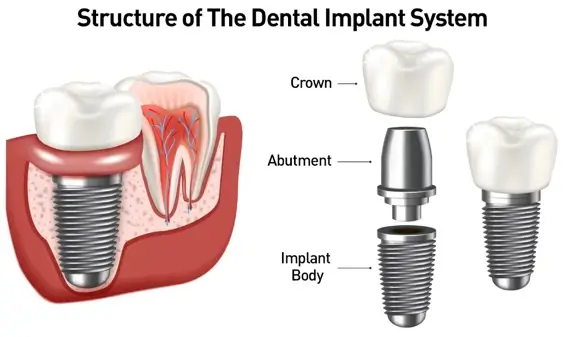
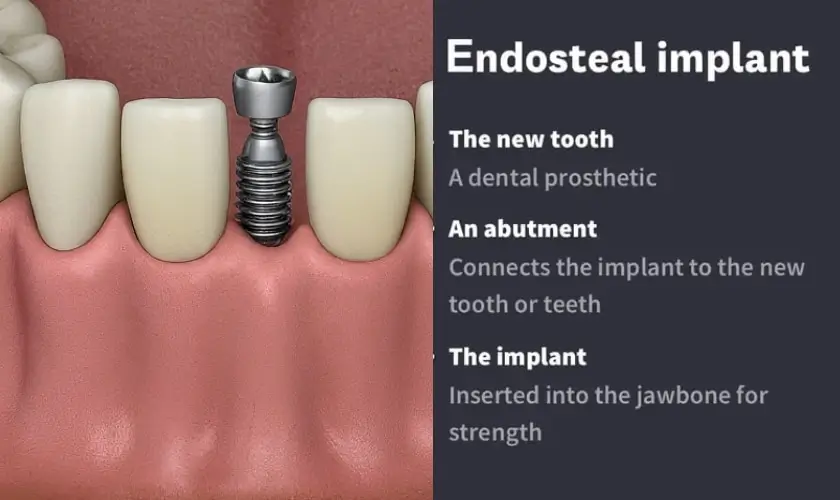
When you get a dental implant, the dentist places a titanium post into your jawbone. This acts like the root of your tooth and needs time to bond with the bone through a process called **osseointegration**. In the early weeks, the implant area is still sensitive and under repair, so how you eat can directly affect your recovery.
In most cases, the first 48–72 hours after surgery require a soft or liquid diet. This allows the gum tissue around the implant to heal without putting pressure on the surgical site. Foods like congee, soft-boiled rice, mashed pumpkin, or blended fruits are common choices among Thai patients during this period.
---
### Eating at the Two-Week Mark
Around the two-week point, many patients start feeling that the discomfort has lessened. Swelling has usually gone down, and chewing may feel easier. However, “eating normally” does not mean you can immediately go back to sticky rice with grilled pork or crunchy papaya salad. The implant is still in the early stages of bonding with the bone, and applying too much pressure can disrupt healing.
At two weeks, dentists usually recommend:
- **Soft but slightly firmer foods** – things like steamed fish, soft noodles, or boiled vegetables are often safe.
- **Avoiding hard or sticky textures** – stay away from fried chicken, hard nuts, or chewy meats that require strong biting.
- **Chewing on the opposite side** – if your implant is on the left, chew mostly on the right to reduce strain.
In Thailand, many people find dishes like steamed seabass, mild curry with soft vegetables, or tender tofu soup ideal during this stage. These foods are easy to chew, full of nutrients, and gentle on the healing implant.
---
### Why Patience Matters
Even if you feel fine after two weeks, the implant is still fragile. The internal healing process takes much longer than what you see on the surface. On average, full osseointegration can take three to six months. If too much biting force is placed on the implant before it is ready, it can loosen or fail. That means you may need more treatment or even replacement, which costs extra time and money.
Following your dentist’s schedule is essential. Some dentists in Thailand will gradually allow firmer foods as early as the third or fourth week, but they will monitor your progress through follow-up visits. Skipping these appointments can increase the risk of complications.
---
### Tip
s for Eating Safely After Two Weeks
Here are some practical ways to protect your implant while still enjoying your meals:
1. **Cut food into small pieces** – this reduces the pressure needed to chew.
2. **Choose high-protein, soft-textured dishes** – like minced chicken with rice soup, scrambled eggs, or smashed sweet potato.
3. **Avoid extreme temperatures** – food or drinks that are too hot or too cold can cause sensitivity around the implant site.
4. **Stay hydrated** – water helps keep the mouth clean and aids recovery.
5. **Brush gently** – be careful not to irritate the gums around the implant.
In Thai dining, adjusting recipes can help you heal without missing out on flavor. For example, instead of crunchy fried spring rolls, you can make fresh ones with soft rice paper and tender fillings. You can still enjoy sticky rice, but mix it with more broth or soup to soften the texture.
---
### Listening to Your Body
Every patient’s healing journey is different. Some may find they can chew soft meats comfortably after two weeks, while others need more time before they can progress beyond soups and porridges. If you feel pain or unusual pressure when chewing, it’s best to revert to softer options and consult your dentist before trying harder foods again.
In Thai culture, meals are often social events, but don’t feel shy to explain that you’re still recovering from implant surgery. Friends and family are usually understanding and will help prepare dishes that fit your needs.
---
### Long-Term Benefits of Being Careful
Taking extra care in the early weeks isn’t just about avoiding pain—it’s about ensuring your implant lasts for decades. A successful implant allows you to enjoy all the delicious foods Thailand has to offer, from crispy fried fish to spicy green curry, without worry. But reaching that stage requires letting the implant settle properly.
By respecting the healing timeline, you reduce the chances of inflammation, infection, or implant failure. Good oral hygiene and regular dental check-ups are your main tools for protecting your investment.
---
### Final Thoughts
So, can you eat normally after two weeks with an implant? The realistic answer is: **you can start introducing slightly firmer foods, but you still need to be cautious**. Think of this phase as the “soft food plus” stage—more variety than liquids, but not yet full-strength chewing. Your patience now will pay off with a stable, healthy implant in the future.
If you follow your dentist’s advice, choose gentle Thai-style dishes, and listen to your body, you’ll make steady progress toward eating without restrictions. By three to six months, most patients find they can enjoy all their favorite meals again with confidence.
---
A dental implant is a long-term solution, and protecting it during the first few weeks is the key to success. Whether you’re enjoying rice soup with soft fish or tender vegetable curry, remember: every careful bite brings you closer to a lifetime of healthy smiles.