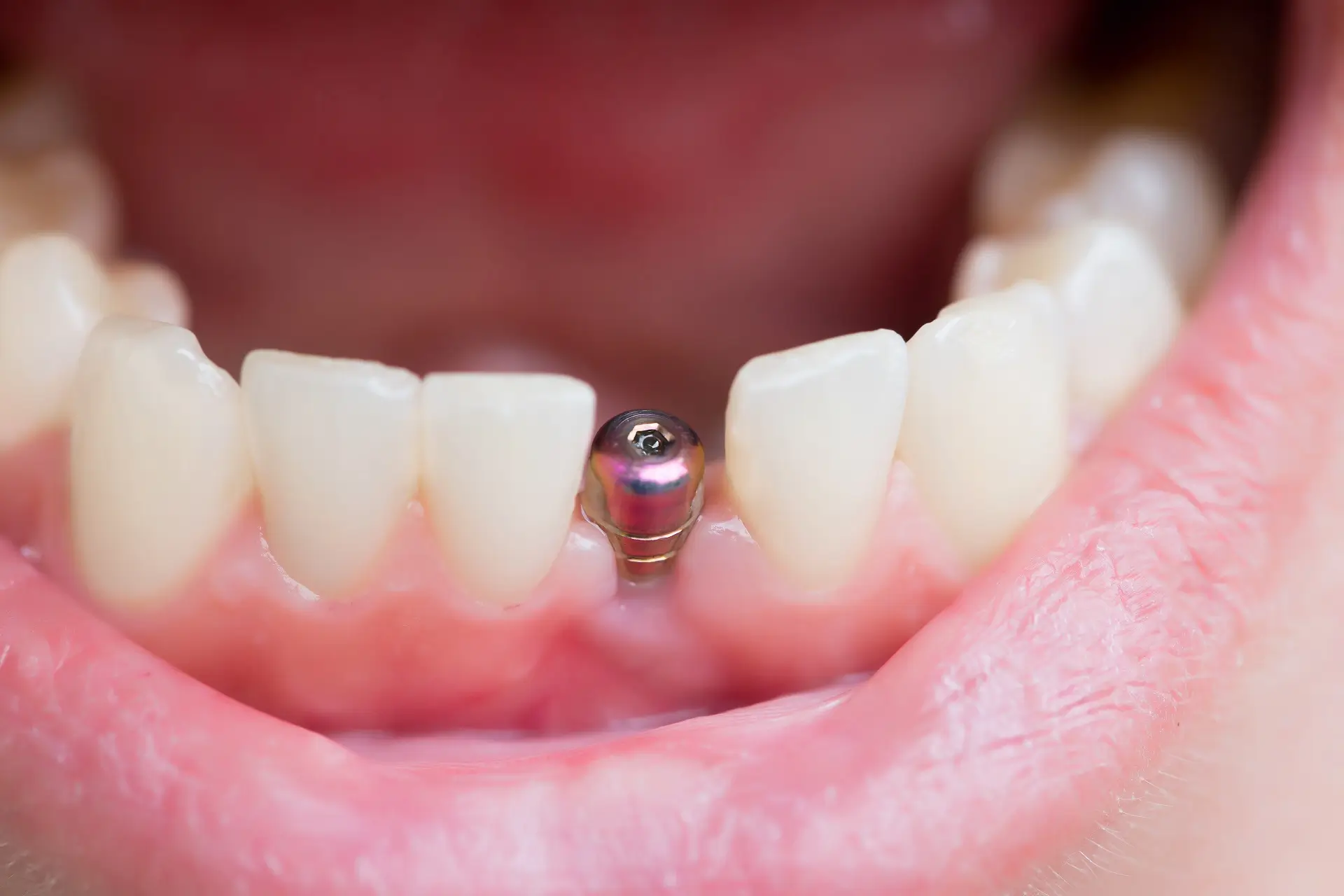
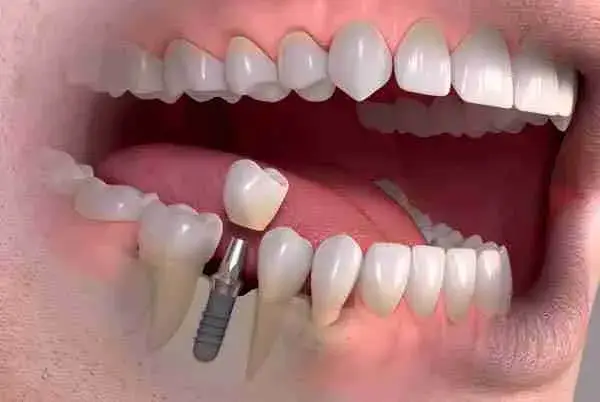
How to Deal With Gum Bruising After Implant Surgery
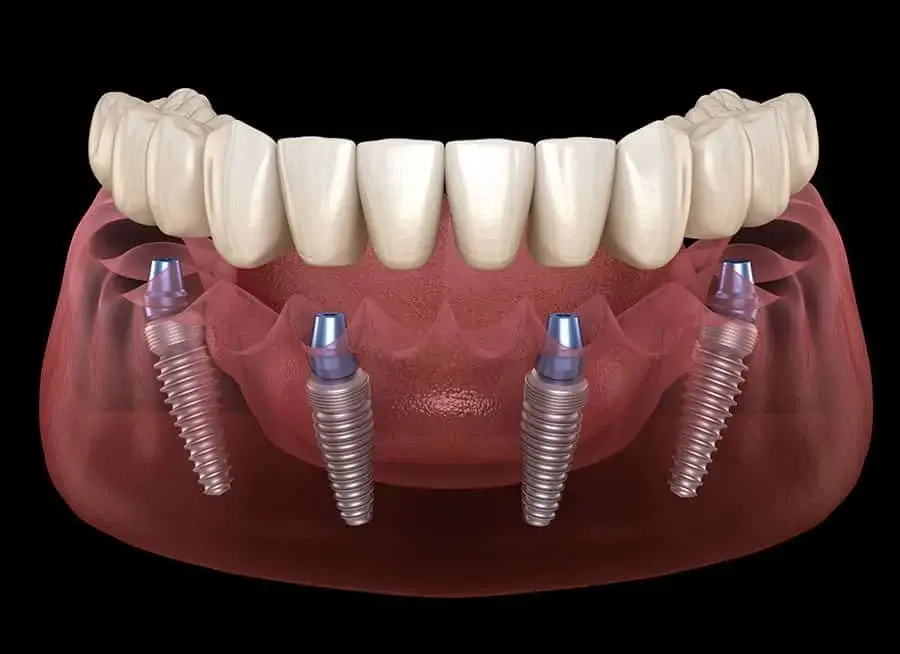
How to Deal With Gum Bruising After Implant Surgery
**How to Deal With Gum Bruising After Implant Surgery**
Dental implant surgery is becoming increasingly popular in Thailand as more people look for a long-lasting solution to missing teeth. The result can be life-changing, giving you a beautiful smile and improved chewing ability. However, like any surgical procedure, it can come with temporary side effects. One common concern patients experience is **gum bruising**. In Thailand, many people casually refer to this as “mok” or a patch of darkened gum after dental work. While it may look worrying, gum bruising after implant surgery is usually harmless and heals naturally — but there are ways to manage it for a smoother recovery.
### Understanding Gum Bruising After Implant Surgery
Gum bruising is essentially a collection of tiny blood vessels breaking under the gum tissue due to surgical pressure or minor trauma from the procedure. It often appears as a dark purple or bluish spot, sometimes accompanied by mild swelling. In most cases, it’s not a sign of infection, but rather part of your body’s normal healing response.
Bruising can happen because:
- The gum tissue was lifted or adjusted during surgery.
- There was slight pressure from dental tools.
- Blood vessels were temporarily damaged during the incision process.
In Thailand, dentists often explain that bruising is similar to what you might get after knocking your arm or leg — it just happens inside your mouth.
### Is Gum Bruising Painful?
For most patients, gum bruising may not be painful on its own. You might feel tenderness around the implant area, but bruising is often painless unless accompanied by swelling or mild inflammation. Some people in Thailand describe it as feeling “a little tight” rather than sharp pain.
### Tips to Deal With Gum Bruising
Here are some practical, dentist-approved steps to make your recovery more comfortable while allowing the gums to heal naturally:
#### 1. Apply a Cold Compress
For the first 24–48 hours after surgery, place a cold compress or an ice pack wrapped in a thin cloth on the outside of your cheek near the bruised area. In Thailand, many people also use cool gel packs sold in pharmacies. Cold therapy helps reduce blood flow to the area, minimizing swelling and preventing the bruise from worsening.
#### 2. Eat Soft and Cool Foods
Avoid hot, spicy, or hard foods during the first few days. Thai comfort foods like **khao tom** (rice soup) or **yam woon sen** (glass noodle salad served cold) can be gentle choices. Soft, cool foods support healing and prevent irritation to the bruised gum tissue.
#### 3. Keep Your Mouth Clean, But Be Gentle
Maintaining oral hygiene is vital to prevent infection. Use a gentle mouth rinse recommended by your dentist — in Thailand, chlorhexidine mouthwash is often prescribed after implant surgery. Brush your teeth carefully, avoiding direct pressure on the implant site during the first
week.
#### 4. Avoid Smoking and Alcohol
Smoking can slow down blood circulation in the gums, and alcohol may increase swelling or delay healing. Since Thailand has hot weather and many social occasions where alcohol is served, make sure to remind friends you’re recovering from a dental procedure.
#### 5. Elevate Your Head When Resting
Sleeping with your head slightly elevated can help reduce swelling and discomfort. You can use an extra pillow at night, which can make a noticeable difference in recovery speed.
#### 6. Stay Hydrated
Thai weather can be hot and humid, which sometimes makes people underestimate the importance of hydration. Drinking enough water helps your body flush out toxins and supports tissue repair. Avoid sugary drinks as much as possible to prevent bacteria growth in the mouth.
### When to See Your Dentist
While gum bruising usually improves within 5–10 days, there are times when you should contact your dentist immediately:
- If the bruising is spreading or becoming darker rapidly.
- If there’s severe pain that doesn’t improve with prescribed medication.
- If swelling is increasing instead of decreasing.
- If you notice pus, an unpleasant taste, or signs of infection.
In Thailand, many dental clinics offer follow-up appointments included in the implant package. Don’t hesitate to schedule an earlier visit if anything feels abnormal.
### Preventing Gum Bruising in Future Dental Work
While bruising can’t always be avoided, these tips may help reduce the risk in future:
- Choose an experienced implant dentist who uses gentle surgical techniques.
- Follow pre-surgery advice, such as avoiding blood-thinning medications unless approved by your doctor.
- Maintain healthy gums through regular cleaning and dental check-ups before surgery.
### Patience Is Key
Recovery after dental implant surgery takes time. In the warm Thai climate, your body still follows the same healing patterns as anywhere else in the world, but the way you care for yourself can make a big difference. Gum bruising is often just a temporary mark on your journey to a better smile. By following your dentist’s instructions, eating nourishing foods, and giving your body the rest it needs, you can look forward to a strong, beautiful implant that serves you well for years.
### Final Thoughts
Gum bruising after implant surgery may look concerning, but it’s a normal part of the healing process for many people. By using simple care strategies — from ice packs to eating soft local foods — and keeping in touch with your dentist, you can ensure your recovery is smooth and worry-free.
In Thailand, where dental tourism is rising and people are increasingly conscious about oral health, knowing how to handle minor side effects can make the whole experience more comfortable. So, stay calm, follow these easy steps, and focus on the big picture: a healthy, confident smile that lasts.