What Causes Gum Recession Around Implants
What Causes Gum Recession Around Implants
**What Causes Gum Recession Around Implants**
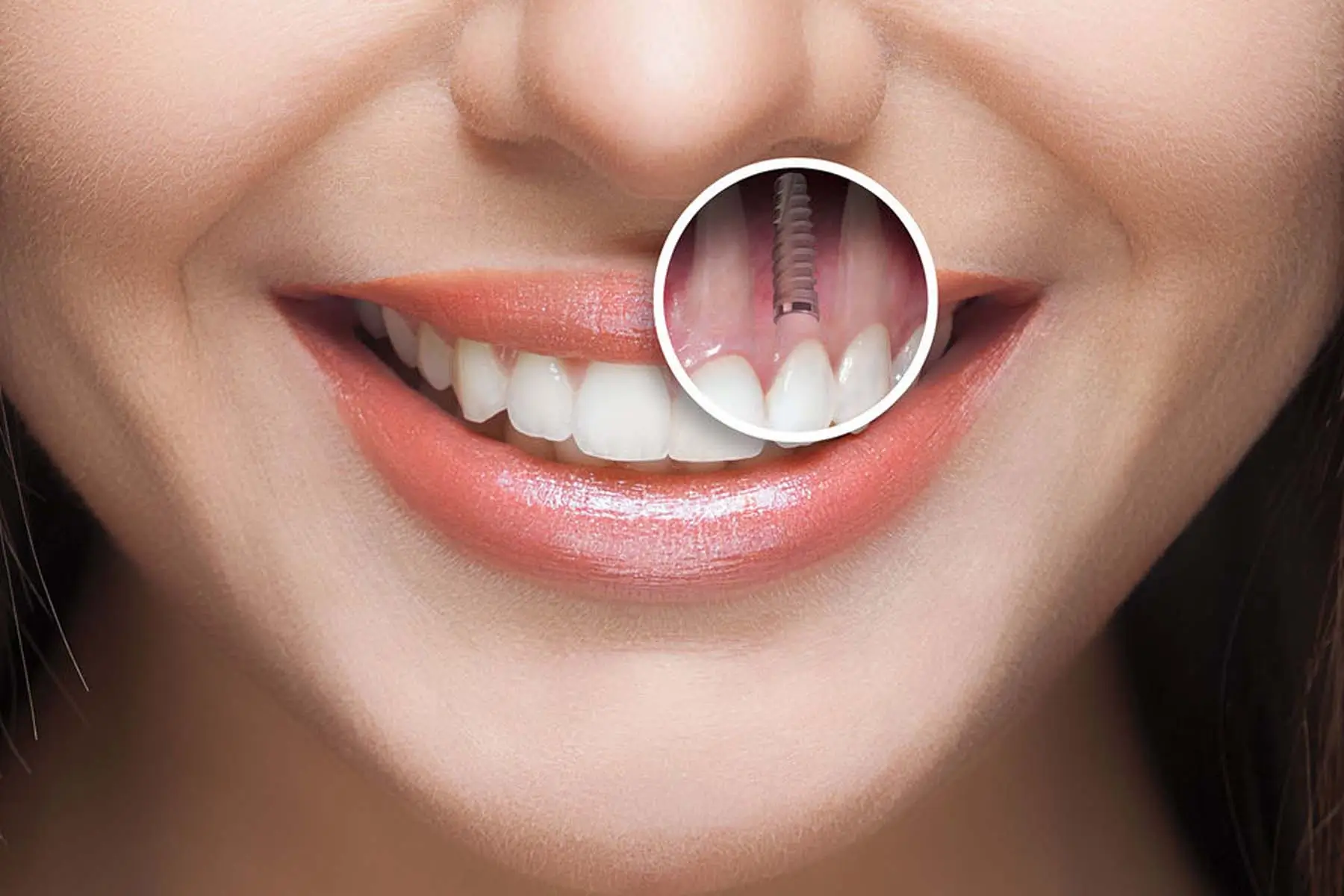
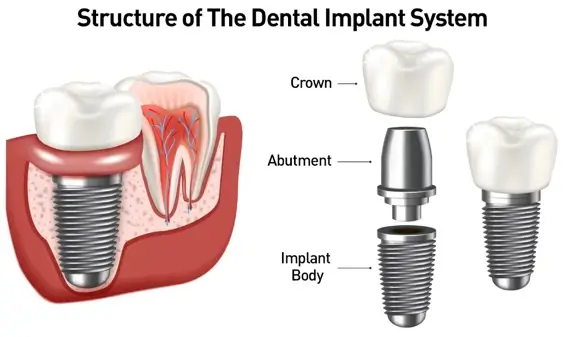
Dental implants are a popular solution for replacing missing teeth, and in Thailand, more and more people are choosing them because they look natural, feel comfortable, and can last for many years. However, while implants are often very successful, some patients notice that the gums around their implants start to recede over time. Gum recession around implants can affect both the appearance of your smile and the long-term health of the implant.
Understanding the possible causes is important so you can take steps to prevent problems and maintain healthy gums. Let’s explore the common reasons why gum recession happens around implants and what you can do about it.
---
### 1. Poor Oral Hygiene Habits
Just like natural teeth, implants need daily cleaning. Plaque and bacteria can build up on the implant crown and around the gum line if brushing and flossing are not done correctly. Over time, this buildup can lead to inflammation of the gums, known as peri-implant mucositis. If left untreated, it can progress to peri-implantitis, which damages the tissues and bone supporting the implant.
When the gum tissue becomes inflamed and the underlying bone is affected, the result can be gum recession. For many patients in Thailand, busy lifestyles or lack of knowledge about proper implant care can contribute to this problem. The good news is that adopting a consistent cleaning routine and using tools like interdental brushes or water flossers can make a big difference.
---
### 2. Thin or Weak Gum Tissue
Not everyone has the same gum thickness. Some people naturally have thinner gum tissue, which is more prone to receding. If the gum tissue around your implant is thin, it may be more vulnerable to changes after surgery and over time.
Thai dentists often evaluate gum thickness before implant procedures. In some cases, they may recommend gum grafting to strengthen the tissue in the implant area. This preventive step can help achieve a more natural look and reduce the chance of gum recession in the future.
---
### 3. Improper Implant Placement
The skill and experience of the dentist or oral surgeon matter a lot when it comes to implant placement. If an implant is set too close to the outer side of the gum or positioned badly in relation to neighboring teeth, there might not be enough gum or bone to support it properly. This can create pressure points or leave thin areas that eventually lead to gum recession.
In Thailand, many reputable dental clinics use digital planning and 3D scans to place implants precisely. Choosing the right clinic and ensuring proper diagnostic planning can reduce risks significantly.
---
### 4. Excessive Bite Force
While implants are strong, they don’t have the natural cushioning of tooth roots, which are supported by the periodontal ligament. If you bite down too hard or grind your teeth (a condition known as bruxism), the pressure can strain the implant area. Over time, the supporting bone can shrink, and the gums may pull away.
Night guards or bite adjustments are common solutions recommended by Thai dentists for patients with this problem. Protecting your implant from unnecessary stress can help maintain healthy gums.
---
### 5. Gum Disease in Surrounding Teeth
Even if your implant is healthy, gum problems in nearby natural teeth can spread. Infection and inflammation can extend to the implant area, affecting gum stability. That’s why maintaining full-mouth oral health is so important.
Regular dental check-ups in Thailand often include professional cleaning and gum checks for all teeth, not just the implants. This preventive approach ensures that any early signs of gum problems are addressed before they cause recession.
---
### 6. Smoking and Lifestyle Factors
Smoking is well known to slow down healing and reduce blood flow to the gums. In Thailand, where smoking rates remain significant in certain groups, this can be a major factor in implant complications. Reduced oxygen and nutrients to the tissue make it harder for gums to recover after surgery or resist bacterial attacks.
Other lifestyle factors, such as poor diet, high sugar intake, and inconsistent dental visits, can also play a role in gum recession.
---
### 7. Natural Bone Changes Over Time
Although implants are made to last, the jawbone still goes through natural changes as we age. In some people, this includes gradual bone loss. Since the gums are supported by bone, any decrease in bone volume can lead to gum shrinkage and exposure of the implant base.
This change tends to be slow, but regular monitoring helps detect it early. Thai dental professionals often recommend X-rays every year or two for implant patients to check bone levels.
---
### How to Prevent Gum Recession Around Implants
The best way to deal with gum recession is to prevent it before it starts. Practical steps include:
- **Maintain excellent oral hygiene** – Brush twice a day, floss daily, and clean gently around the implant.
- **Schedule regular dental visits** – Professional cleaning and check-ups every 6 months help catch early signs of problems.
- **Avoid smoking** – This not only benefits your oral health but also your overall well-being.
- **Protect against teeth grinding** – If you grind your teeth, get advice about using a night guard.
- **Follow your dentist’s aftercare instructions** – This includes dietary advice after implant surgery and ongoing maintenance tips.
For patients in Thailand, finding a dental clinic with experience in implant care and a good follow-up program is key. Good communication with your dentist can help you keep your gums healthy for years to come.
---
### When to See a Dentist
If you notice that the gums around your implant are pulling back, exposing any metal parts, or if you experience swelling, redness, or discomfort, don’t wait until your next scheduled appointment. Early treatment can prevent more serious damage. In many cases, gum grafting or other periodontal procedures can restore the gum line and protect the implant.
---
Gum recession around implants can happen for several reasons, from daily habits to surgical factors. By understanding the causes, you can take control of your oral health and protect your investment. With proper care, regular check-ups, and healthy lifestyle choices, your dental implants can continue to function and look great for many years — keeping your smile confident and natural.