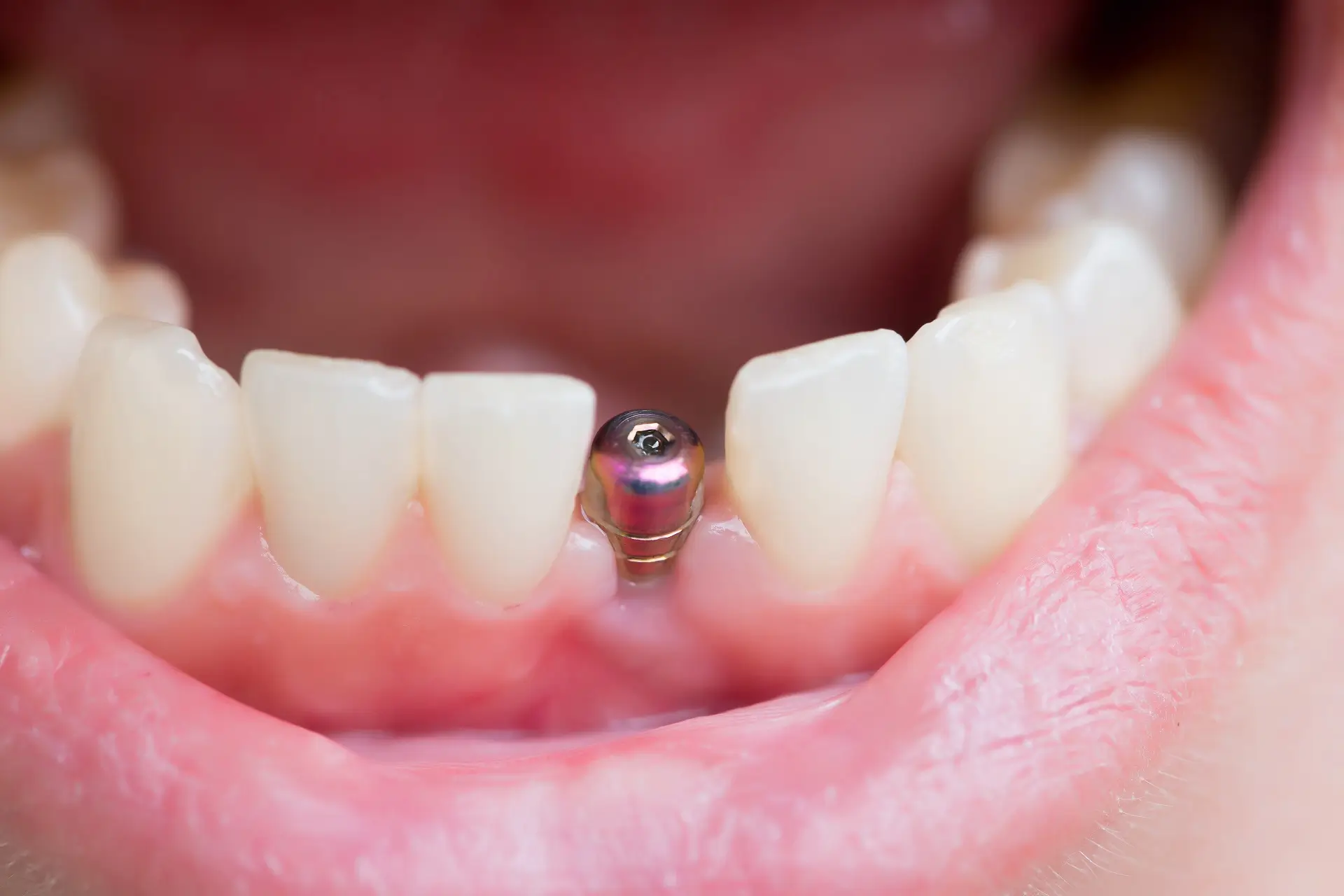
Best Tooth Implant Aftercare Tips Recommended by Dentists
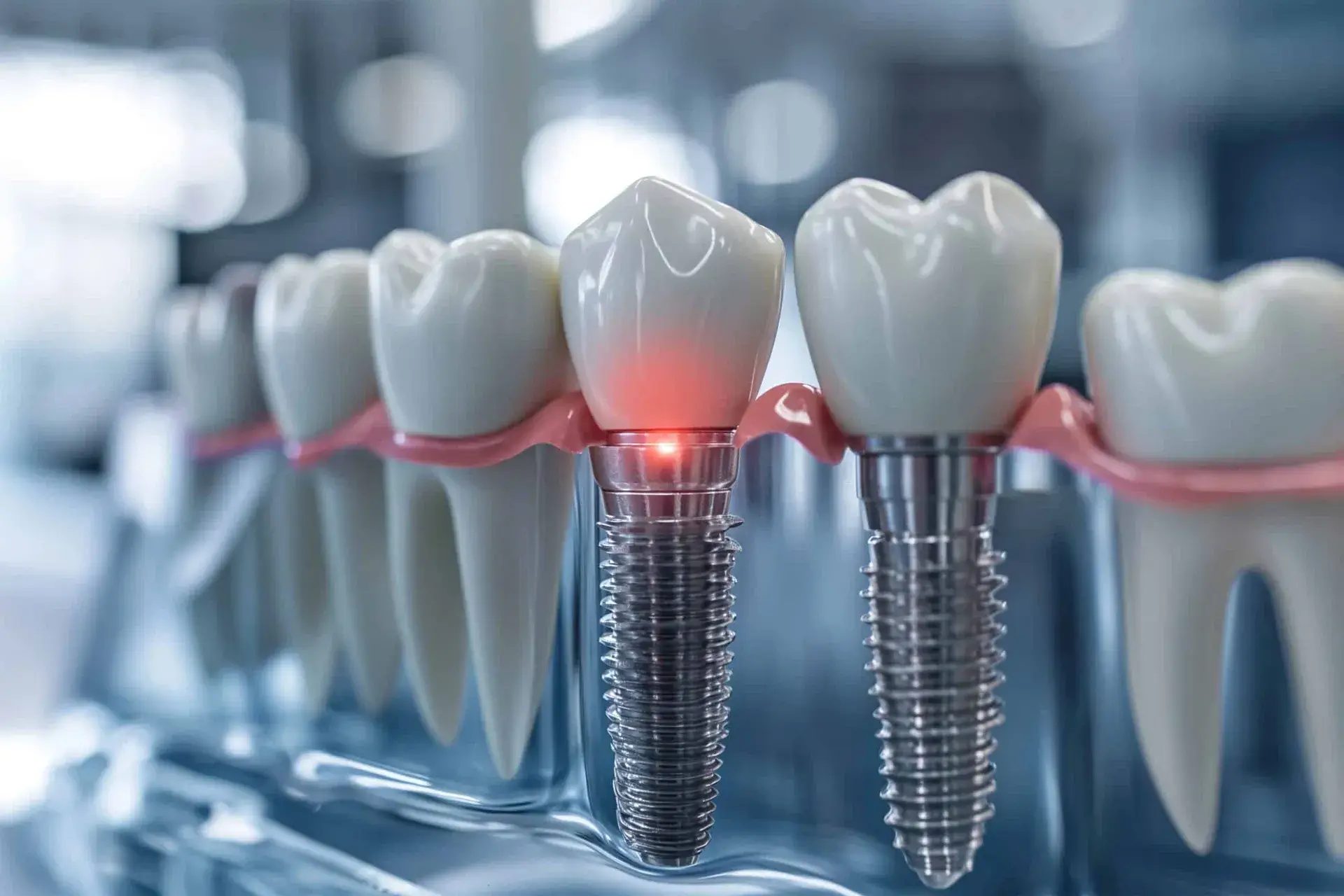
Best Tooth Implant Aftercare Tips Recommended by Dentists
**Best Tooth Implant Aftercare Tips Recommended by Dentists**
When it comes to restoring your smile, dental implants are one of the most popular and long-lasting solutions available today. In Thailand, where dental tourism continues to grow rapidly, thousands of local and international patients receive implants every year. But getting the implant is only the first step — proper aftercare is what makes the biggest difference in how well your new tooth heals and how long it lasts. To help you maintain a healthy and confident smile, here are the best tooth implant aftercare tips recommended by professional dentists in Thailand.
---
### 1. Follow Your Dentist’s Instructions Carefully
After your implant surgery, your dentist will give you personalized guidelines based on your individual condition. It might include when to take medication, how to clean the area, and what foods to avoid. Following these instructions is extremely important because every patient heals at a different pace. Even if your recovery seems to be going well, don’t skip follow-up appointments or stop medication early. Your dentist needs to monitor your progress to make sure the implant is bonding properly with your jawbone, a process called osseointegration.
---
### 2. Manage Swelling and Pain the Right Way
A bit of swelling or minor discomfort is normal in the first few days. Thai dentists often recommend using an ice pack wrapped in a small towel and applying it to your cheek for 10–15 minutes at a time. This simple method helps reduce swelling naturally. If pain persists, follow your dentist’s advice on which painkillers you can take. Avoid using aspirin unless your dentist specifically says it’s safe, as it may increase bleeding. Remember, comfort management is part of proper healing — you don’t have to endure unnecessary pain.
---
### 3. Eat Soft Foods and Stay Hydrated
After an implant procedure, your gums need some time to heal and adjust. For the first few days, stick to soft foods like congee, mashed potatoes, yogurt, or noodle soups that are common in Thai households. Avoid chewing hard or sticky foods such as grilled pork, dried squid, or crunchy snacks. Stay hydrated, but skip the straw — sucking can put pressure on your healing gums and slow down recovery. Most dentists recommend returning to your normal diet gradually within a week or two, depending on how well the wound heals.
---
### 4. Keep Your Mouth Clean, But Be Gentle
Oral hygiene plays a huge role in implant success. You’ll need to keep your mouth clean to prevent infection, but don’t brush too hard around the surgical site. Use a soft-bristled toothbrush and mild toothpaste, and rinse gently with warm salt water two to three times daily. Many dentists in Thailand also suggest using an antibacterial mouthwash once your gums are less sensitive. Being gentle doesn’t mean neglecting your oral care — it means being smart and careful until everything is fully healed.
---
### 5. Avoid Smoking and Alcohol
If you’re a smoker, this is one of the most crucial moments to quit or at least
pause the habit. Smoking slows blood flow and can interfere with healing, which may cause the implant to fail. The same goes for alcohol — it can delay tissue recovery and increase the risk of infection. Your dentist might advise you to avoid both for at least two weeks after surgery, though longer is even better. Think of it as giving your body the best environment to heal and hold your new tooth securely.
---
### 6. Don’t Skip the Follow-up Appointments
Some patients feel fine after a few days and think it’s okay to skip follow-up visits, but that’s a mistake. These check-ups allow your dentist to see how your implant is integrating with the bone and whether your gums are healing properly. In Thailand, most dental clinics schedule the first follow-up within one week, and then another after a month. These appointments are key to preventing complications early on, such as infection or implant movement.
---
### 7. Maintain Good Long-Term Dental Habits
Once your implant has fully healed, caring for it becomes part of your everyday oral hygiene routine. Brush at least twice a day, floss carefully around the implant, and continue using mouthwash. Your implant may be artificial, but the surrounding gum tissue and bone are not — they need your continuous attention. Regular scaling and professional cleaning every six months will help keep everything in top condition and prolong the life of your implant.
---
### 8. Watch Out for Warning Signs
Even with the best care, it’s good to know what to look for in case something isn’t right. If you experience prolonged pain, unusual swelling, bleeding, or a loose feeling around your implant, contact your dentist immediately. Early detection and treatment can prevent bigger problems later. Remember, an implant is meant to function just like a natural tooth — if anything feels different or uncomfortable for too long, it’s best to get it checked.
---
### 9. Combine Professional Care with a Healthy Lifestyle
Good implant care extends beyond your mouth. Eating a balanced diet rich in calcium and vitamin D, staying hydrated, and getting enough rest all support faster healing and overall dental health. In Thailand, local foods such as tofu, leafy greens, and fresh fruits are excellent natural sources of nutrients that strengthen your gums and bones. A healthy lifestyle means your implant will stay strong and your smile bright for many years.
---
### Final Thoughts
Dental implants are a wonderful investment in both confidence and oral health. Whether you’ve had your implant done in Bangkok, Chiang Mai, or Pattaya, proper aftercare is what truly ensures a successful and lasting result. By following your dentist’s recommendations, maintaining excellent hygiene, and making small adjustments to your daily habits, you can protect your new tooth and enjoy your beautiful smile for decades.
Caring for your implant doesn’t have to be complicated — it just requires consistency and awareness. Take it step by step, and your dental implant will not only look good but also feel like a natural part of you.