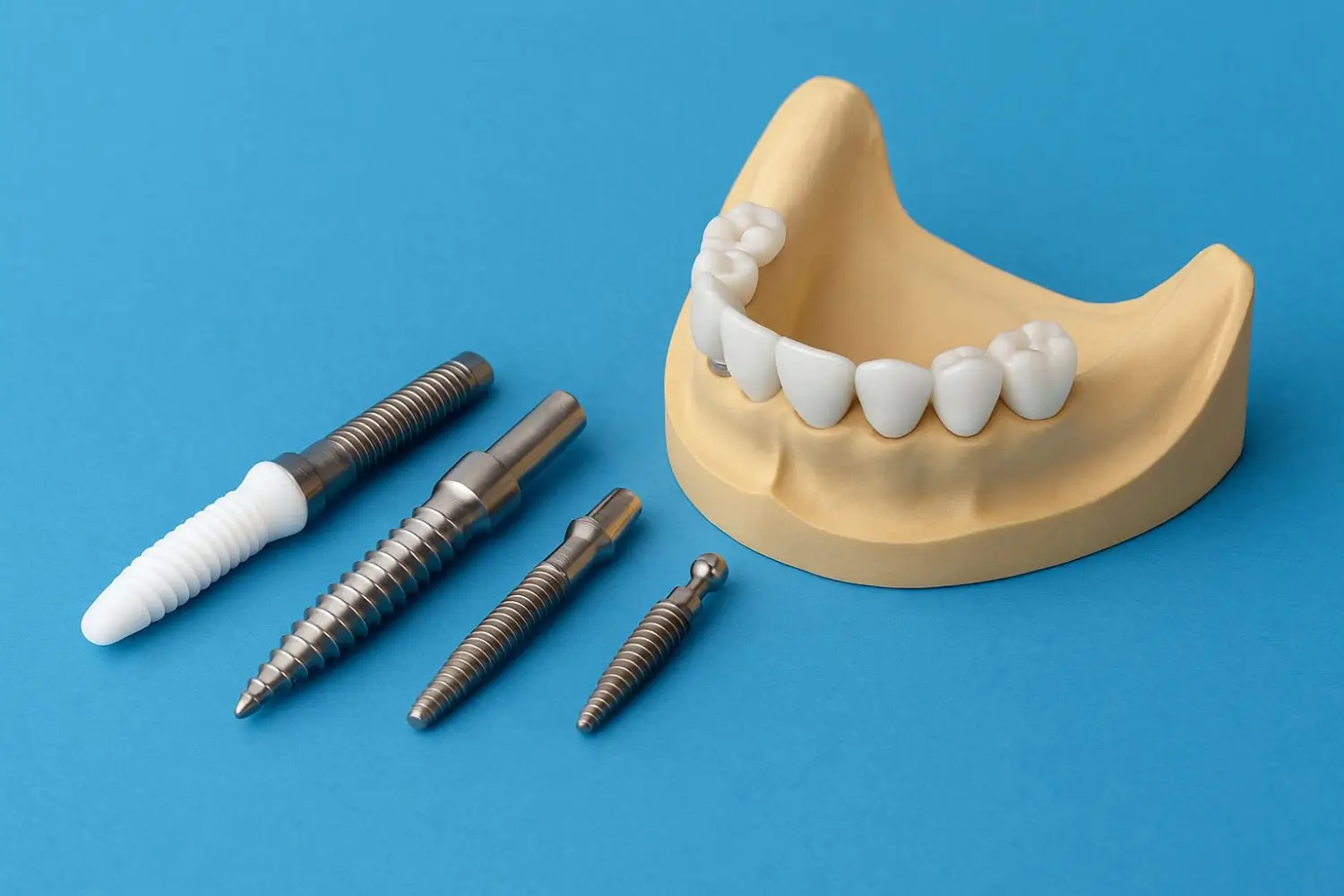
Top Warning Signs of Early Implant Infection
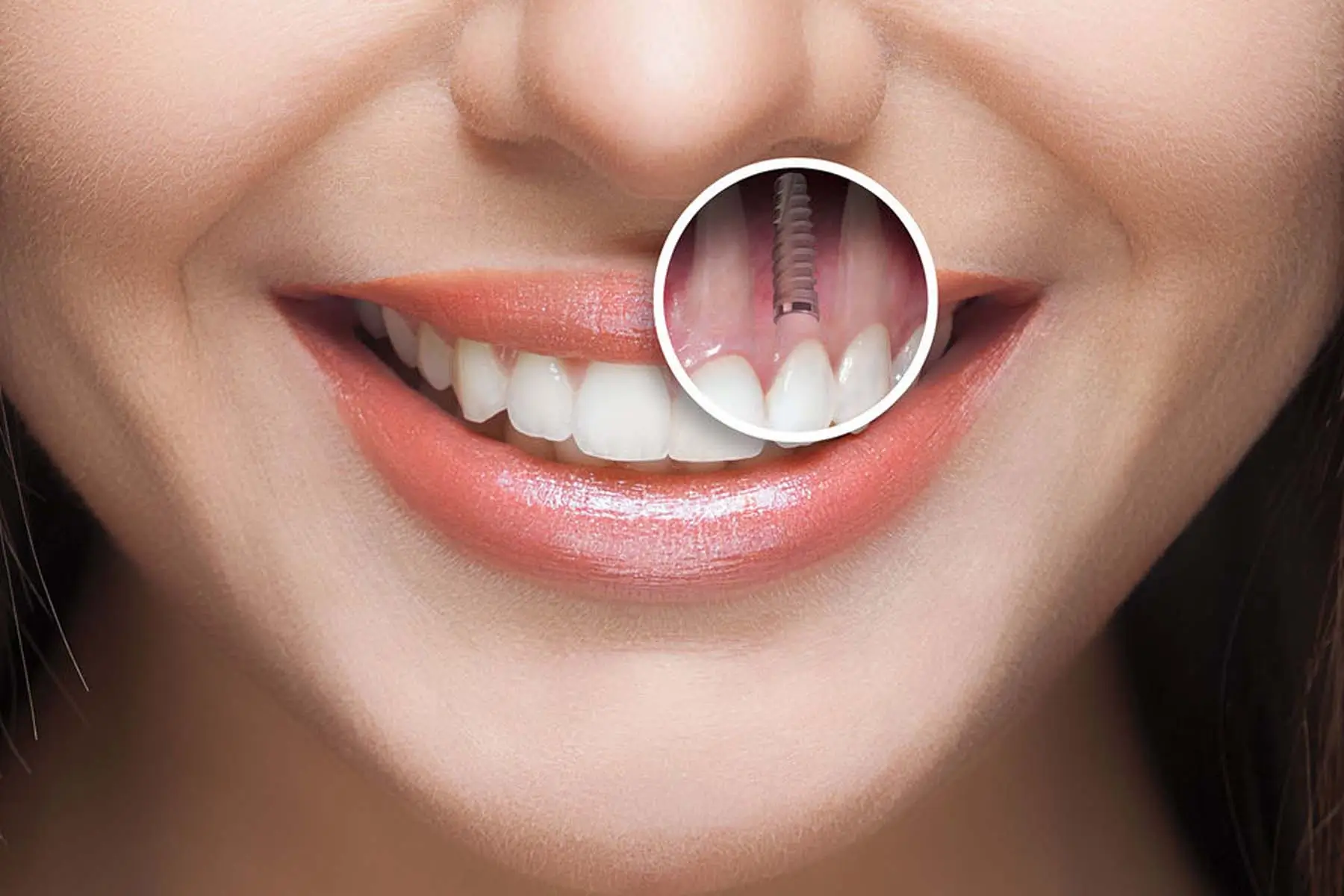
Top Warning Signs of Early Implant Infection
**Top Warning Signs of Early Implant Infection**
Medical implants, such as dental implants or orthopedic devices, can greatly improve quality of life. However, as with any medical procedure, there is a risk of infection in the early stages after surgery. Detecting the warning signs early can make a big difference in ensuring proper treatment and preventing complications. For people living in Thailand, understanding these signs in clear and relatable terms is important, especially since warm and humid climates can sometimes influence how quickly infections develop.
### Why Early Detection Matters
An implant infection, if caught early, is usually easier to treat. The longer it remains undetected, the higher the risk that bacteria can spread, affecting not only the implant but surrounding tissue and bone. In severe cases, the implant may need to be removed. Early detection gives doctors a better chance to treat the infection with medication, cleaning procedures, or minor adjustments, rather than more invasive surgery.
### 1. Persistent Redness Around the Implant Area
One of the first signs many people notice is continuous redness around the surgical site. While mild redness is normal right after surgery, it should gradually fade over time. If you see the redness getting worse, or it is accompanied by warmth, it might indicate an infection beneath the surface. In Thailand, where the weather can be hot, some people may mistake this for heat rash, but redness around the implant should not be ignored.
### 2. Swelling That Doesn’t Improve
Swelling is expected after surgery, but usually it starts to go down after a few days. If swelling stays the same or gets bigger over the next week, it could mean the body is reacting to bacteria. This swelling might feel firm or soft depending on the affected area. In dental implants, swelling can appear in the gums and extend to the cheek, while in orthopedic implants, it may involve nearby joints.
### 3. Increasing Pain Instead of Relief
Mild pain is normal during recovery, but pain should be lessening day by day. If you notice increasing discomfort that feels deeper or sharper, it could be your body’s way of telling you something is wrong. In Thailand, many patients tend to use herbal compresses or warm remedies to ease aches, but if pain worsens after using such methods, it is best to consult a doctor immediately.
### 4. Fever or Chills
Developing a fever after implant surgery is a clear warning sign. A mild rise in temperature might not seem serious, but if it continues or is accompanied by chills, it suggests your body is fighting an infection. High humidity and tropical weather can sometimes mask symptoms, so keeping track of your body temperature with a thermometer can help spot problems early.
### 5. Unusual Discharge or Pus
The presence of yellow, green, or foul-smelling discharge near the implant site is a strong indication of infection. While a small amount of clear fluid may occur in the early stages of healing, pus signals that bacteria are actively multiplying. In dental cases, this discharge may appear near the gum line; for orthopedic implants, it c
an leak through the incision site.
### 6. Implant Feeling Loose or Unstable
An implant should feel secure once healing begins. If you notice it feels loose—such as a dental implant moving slightly when chewing, or an orthopedic plate shifting with movement—it may be due to infection weakening the tissue that supports it. This is particularly important to check after any unusual strain or minor accident that occurred during recovery.
### 7. Strange Odor Around the Implant Site
A bad smell coming from the implant area is a detail many people overlook. In infections, bacteria can produce unpleasant odours. For dental implants, this might be noticeable when brushing or flossing. Orthopedic cases may require careful inspection because the source can be beneath surgical dressings. If you notice a persistent smell even after cleaning, seek medical advice.
### Steps to Take if You Suspect Infection
If you notice one or more of these warning signs, the safest course of action is to see your doctor as soon as possible. Do not wait until you develop severe symptoms, because infections can escalate quickly. In Thailand, many hospitals and clinics have specialists experienced in handling implant-related complications. They can examine the site, run tests, and prescribe antibiotics or other treatments as needed.
It’s also important to avoid self-medicating without professional guidance. While over-the-counter drugs or herbal remedies are popular, they may mask symptoms without addressing the underlying problem. This could lead to delayed treatment and greater risks.
### How to Reduce the Risk of Implant Infection
Prevention starts from the moment your implant is placed. Here are some practical tips that apply well to everyday life in Thailand:
- **Follow post-surgery care instructions closely** – Whether it’s dental or orthopedic surgery, listen to your doctor’s advice about cleaning, rest, and diet.
- **Keep the surgical site clean** – Use approved cleaning solutions or methods recommended by your healthcare provider.
- **Avoid high-risk activities during healing** – Strenuous movement or contact with unclean surfaces can raise infection risk.
- **Stay hydrated and eat well** – Good nutrition supports your immune system, helping your body fight off bacteria more effectively.
- **Attend all follow-up appointments** – Even if you feel fine, routine checks can catch small problems before they become serious.
### Final Thoughts
Recognising the early warning signs of implant infection is vital for protecting your health. Persistent redness, swelling, increasing pain, fever, unusual discharge, looseness, or bad odour should never be ignored. In Thailand, healthcare professionals are well-equipped to provide quick and effective treatment if an infection is detected early.
By staying alert to changes in your body and following preventive care routines, you can give your implant the best chance to heal properly and serve you for years to come. Early action not only saves you from discomfort and extra medical expenses, but it also ensures you can continue enjoying a healthy and active lifestyle without worry.