Why Smokers Need Extra Care After Implant Surgery
Why Smokers Need Extra Care After Implant Surgery
**Why Smokers Need Extra Care After Implant Surgery**
Dental implants have become one of the most reliable ways to replace missing teeth. They look natural, restore chewing ability, and can last for many years if cared for properly. In Thailand, more people are turning to implants because they offer a permanent solution compared to bridges or dentures. However, for people who smoke, the journey after implant surgery can be a bit more complicated. Understanding why smokers need extra care not only helps protect the implant investment but also ensures long-term oral health.
### The Connection Between Smoking and Implant Healing
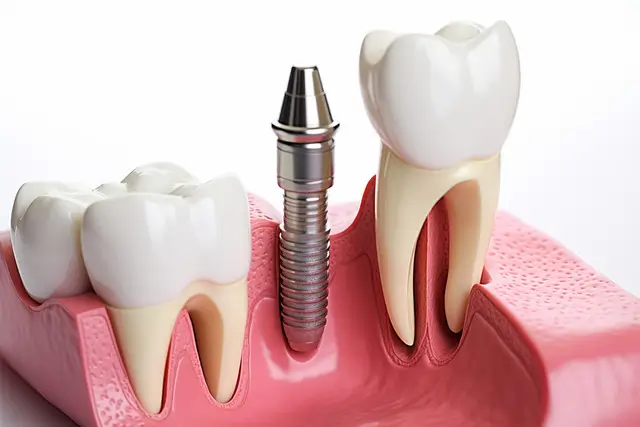
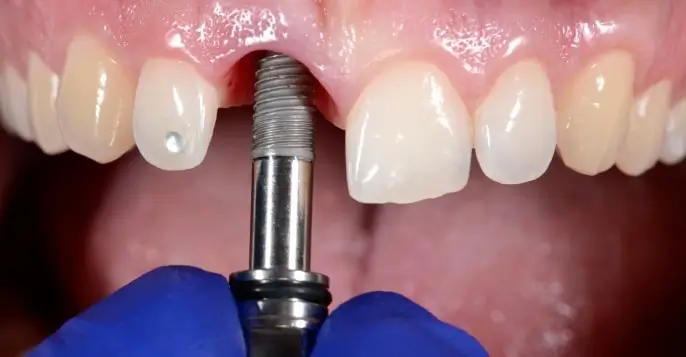
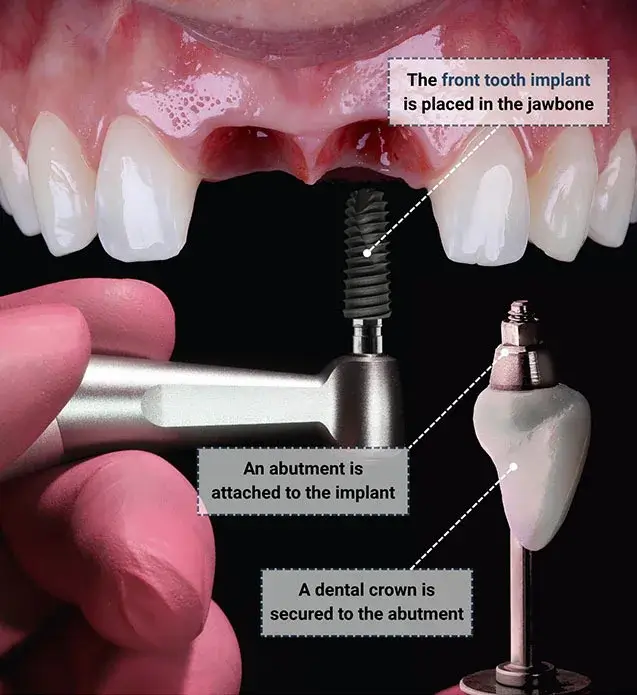
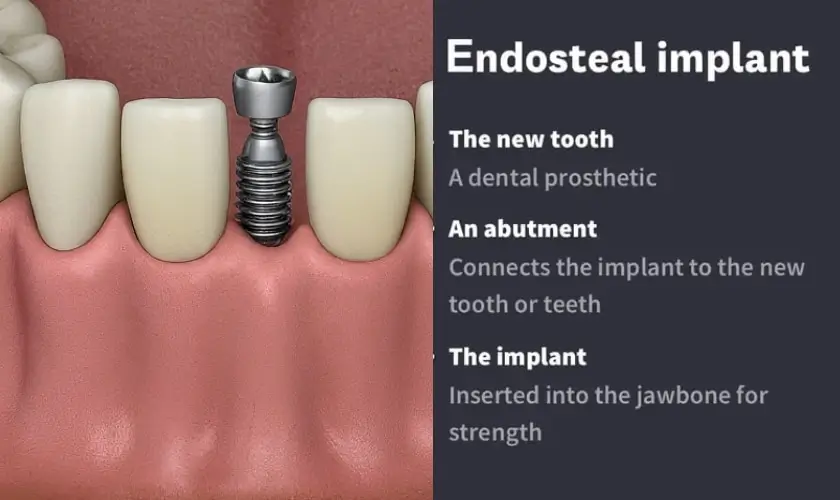
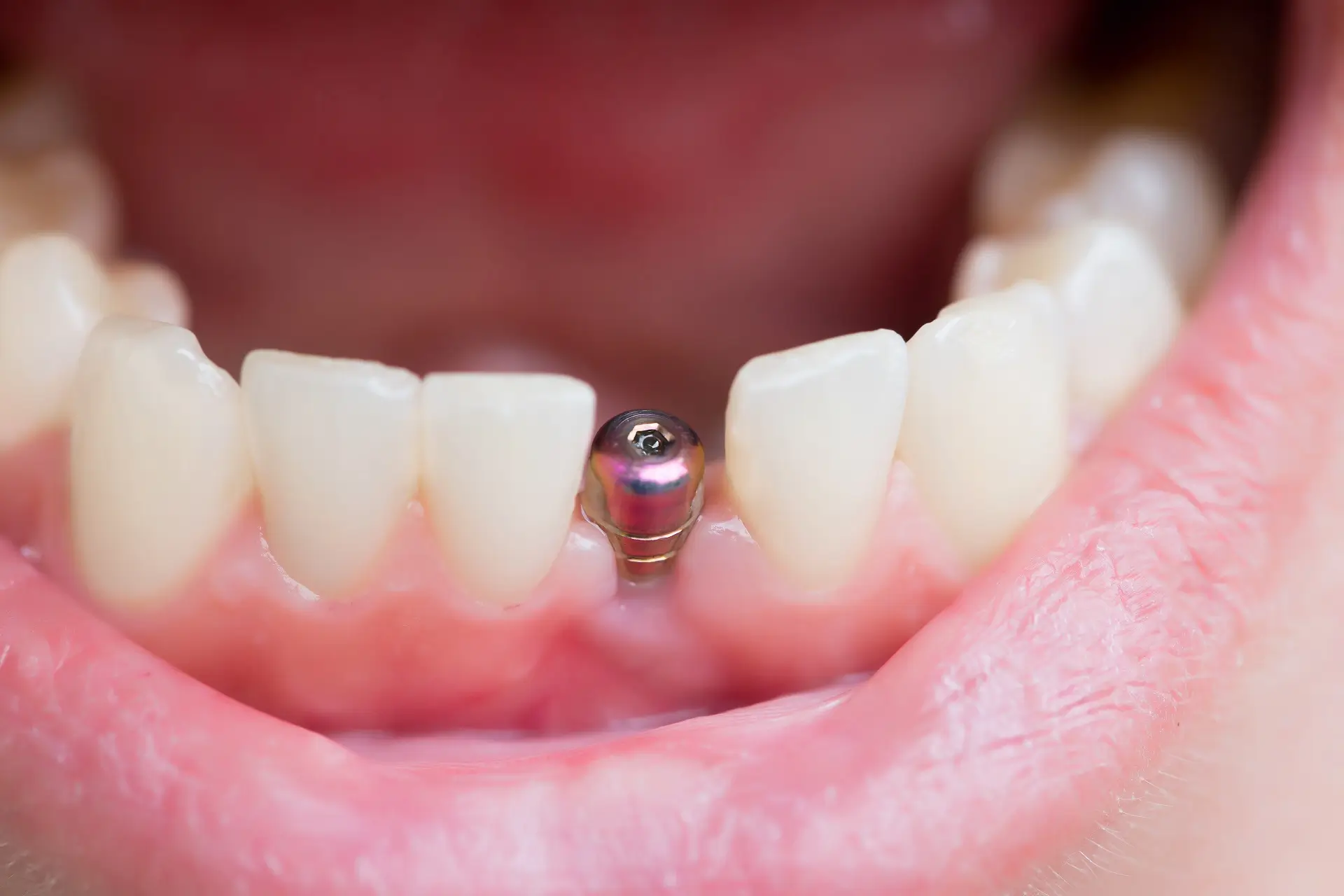
When you have dental implant surgery, your dentist or oral surgeon places a titanium post into the jawbone. This post slowly fuses with the bone in a process called **osseointegration**, which is crucial for the implant’s stability. For non-smokers, the healing phase is usually straightforward, provided they follow all instructions. But for smokers, the presence of nicotine can interfere with blood circulation and oxygen supply, both essential for healing. In Thailand, where smoking is still common among certain age groups, this risk is especially relevant.
Nicotine causes blood vessels to constrict, meaning less blood reaches the surgical area. This reduced circulation slows down the delivery of nutrients and oxygen, making it harder for the bone and gum tissue to repair themselves. Smoking also weakens the body’s immune response, increasing the chance of infections. Even a small delay in healing can compromise the implant’s ability to integrate properly.
### Higher Risk of Implant Failure
Studies worldwide have shown that smokers experience a higher rate of dental implant failure compared to non-smokers. This is not just because of slower healing; smoking can also damage the bone structure over time. Persistent exposure to smoke and toxins can trigger inflammation of the gums (peri-implantitis), which is similar to gum disease but occurs around implants.
If peri-implantitis is not treated quickly, the gums recede, bone tissue deteriorates, and the implant may loosen. In Thailand’s humid climate, where bacterial growth in the mouth can be faster if oral hygiene is not maintained, the risk becomes even more significant for smokers.
### Post-Surgery Care Tips for Smokers
If you are a smoker and have had or are planning to have implants, your dentist will likely recommend stricter aftercare routines. Here are some practical tips that can make a real difference:
1. **Quit or Reduce Smoking Before and After Surgery**
Ideally, stopping smoking several weeks before surgery can greatly improve healing. If quitting entirely is not possible, reducing the number of cigarettes each day, especially during the first critical weeks after surgery, is important. Many Thai dentists encourage patients to use this period as a chance to break the habit entirely.
2. **Follow Cleaning Instructions Religiously**
Dentists often provide specific cleaning tools for implants, such as soft-bristle brushes
and interdental cleaners. These help remove plaque around the surgical area without causing irritation. Smokers need to be extra committed to keeping the mouth clean to prevent infections.
3. **Maintain Regular Dental Check-Ups**
In Thailand, dental clinics frequently offer follow-up appointments to monitor the healing process. Attend every scheduled visit, as the dentist can detect early signs of peri-implantitis or bone loss and start treatment before it becomes severe.
4. **Eat a Balanced Diet to Promote Healing**
A diet rich in vitamins C and D, protein, and calcium supports tissue repair and bone integration. Thai food naturally includes many fresh vegetables and herbs, but smokers should pay extra attention to consuming enough nutritious items, especially after surgery.
5. **Avoid Excess Alcohol and Sugar**
Alcohol can dry out the mouth and slow healing, while sugar can feed harmful bacteria. Reducing these during recovery will support the implant and gum health.
### Lifestyle Awareness for Smokers
Many smokers in Thailand start the habit at a young age and find it difficult to quit. Dental implant surgery is an ideal time to reassess lifestyle habits. Every cigarette smoked after surgery exposes the surgical area to heat, toxins, and harmful chemicals, which together increase the risk of complications. Even if cutting down is the first step, each reduction benefits the healing process.
Some clinics in Thailand collaborate with smoking cessation programs, offering counselling and support during the recovery phase. This extra care not only benefits oral health but also improves overall wellbeing.
### Protecting Your Investment in Dental Implants
Dental implants are not inexpensive, and most patients see them as a long-term investment. Smoking can put that investment—and the comfort and confidence it brings—at risk. By following strict aftercare steps, and being willing to modify habits where possible, smokers can still enjoy the benefits of implants.
Think of implant aftercare as teamwork between you and your dentist. In Thailand, dentists often combine modern technology with personalised patient advice, guiding smokers in every healing stage. Honesty about smoking habits helps the dental team create realistic recovery plans.
### Conclusion
Smokers need extra care after implant surgery because nicotine affects circulation, slows healing, and increases the chance of infection and implant failure. While quitting smoking offers the greatest benefit, even reducing consumption and committing to excellent oral hygiene can make a significant difference. With the right approach, smokers in Thailand can protect their dental implants, keep their smiles looking natural, and enjoy better oral health for years to come.
Taking implant recovery seriously is not just about avoiding problems—it’s about ensuring your new teeth feel strong, look beautiful, and last a lifetime. By understanding the impact of smoking and making positive changes, you give yourself the best chance at a truly successful outcome.