Is Dental Implant Pain Normal – What Most Patients Experience
Is Dental Implant Pain Normal – What Most Patients Experience
**Is Dental Implant Pain Normal – What Most Patients Experience**
For many people in Thailand who are considering dental implants, one of the first questions they ask is: *“Will it hurt?”* It’s a fair question. Dental implants are a big step—both financially and physically—and it’s natural to wonder about the pain that might happen during and after the procedure. Understanding what is normal can help you feel more confident and prepared.
---
### What Happens During a Dental Implant Procedure
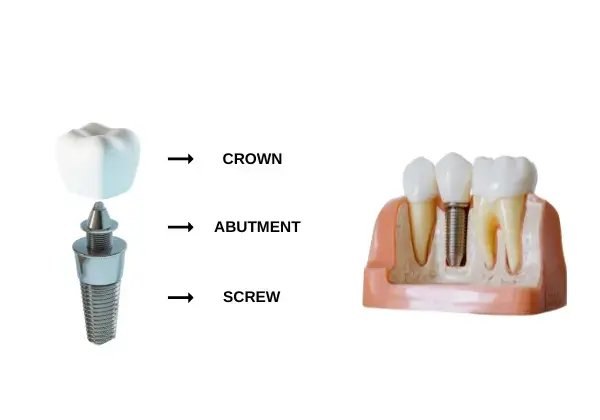
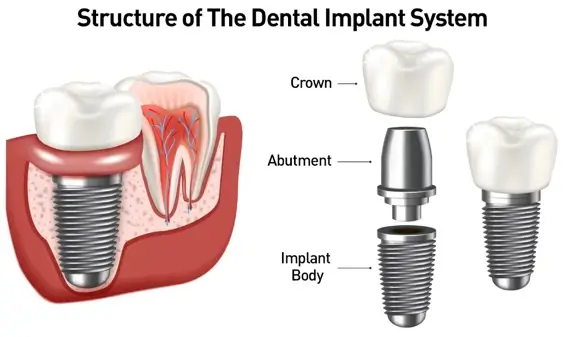
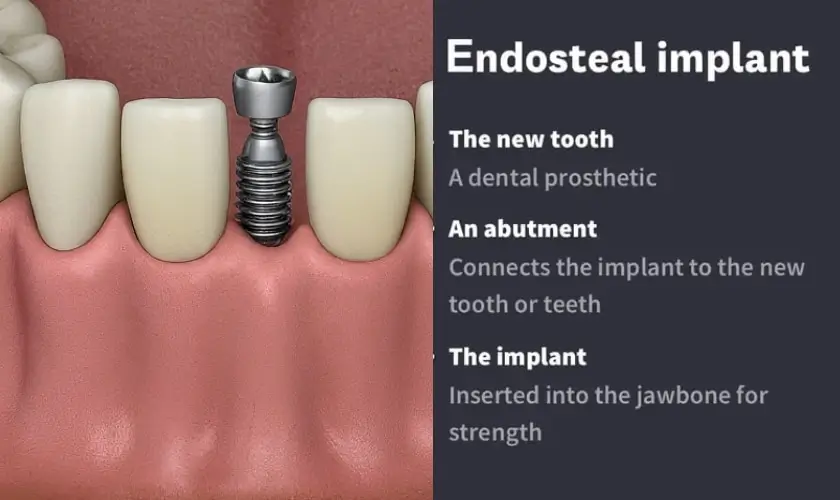
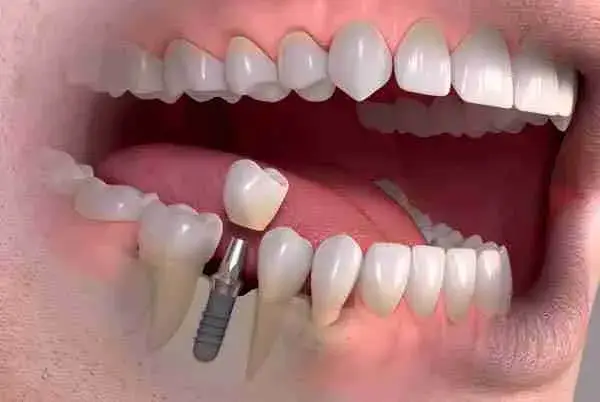
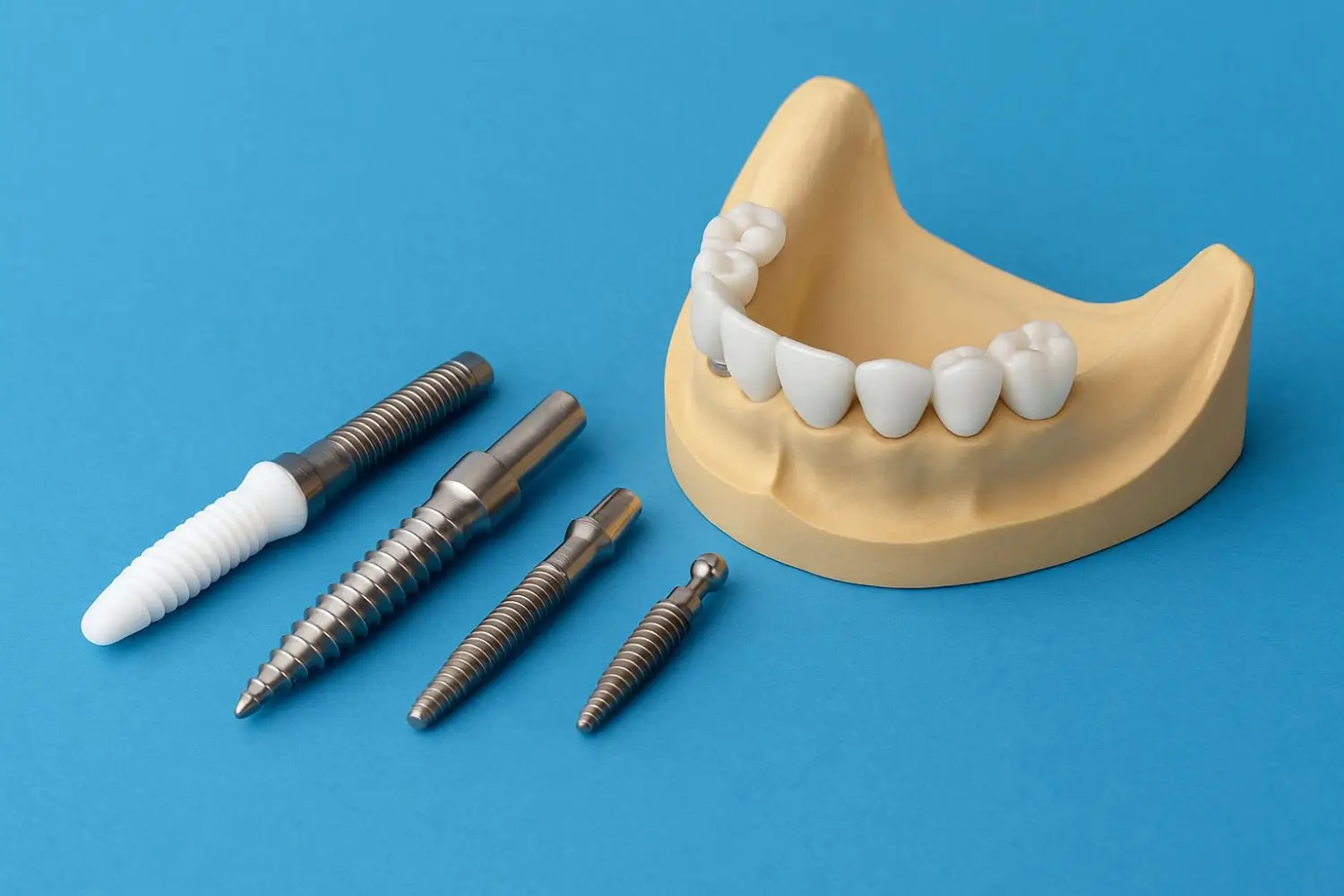
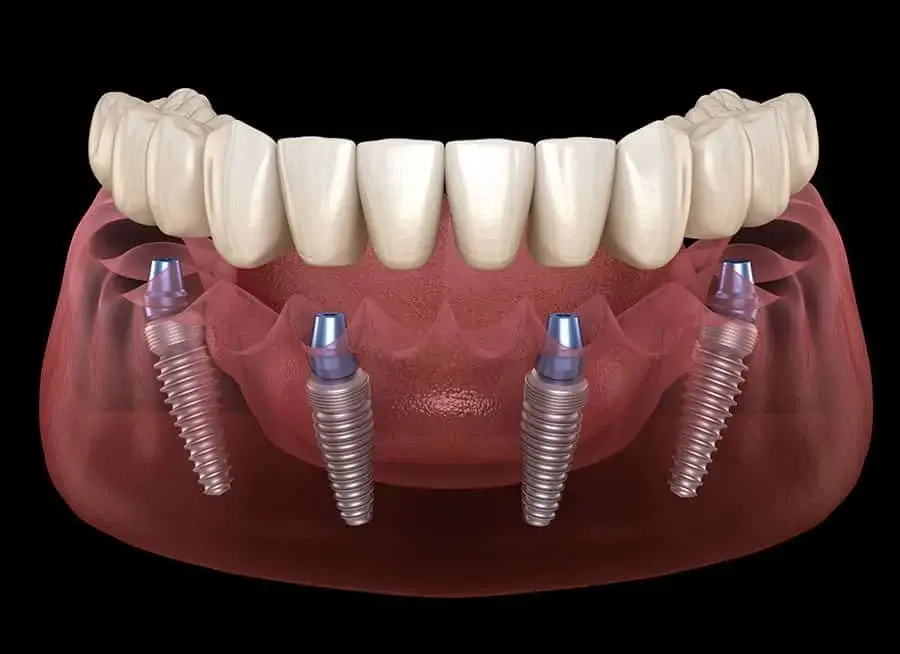
A dental implant is a small titanium post that is surgically placed into your jawbone to replace the root of a missing tooth. Later, a crown or bridge is attached to complete the restoration. Dentists in Thailand often use local anesthesia, which means you won’t feel pain during the actual surgery, although you may be aware of some pressure or movement.
In modern clinics across Bangkok, Chiang Mai, or Phuket, dental implant procedures are often described as surprisingly comfortable thanks to updated techniques and careful patient care. However, the experience afterward is where discomfort can come in.
---
### Is Pain After Dental Implant Surgery Normal?
Yes, some level of pain or discomfort is considered normal after dental implant surgery. This is because the procedure involves minor surgery on the gums and bone. The body will naturally respond with inflammation, swelling, and tenderness as part of the healing process.
Most patients report that the pain after dental implants is generally less than they expected. It often feels similar to the soreness after a tooth extraction. The intensity depends on factors like:
- **Your overall health** – Those with strong immune systems often recover faster.
- **The complexity of the surgery** – Multiple implants or bone grafts can take longer to heal.
- **Pain tolerance levels** – Everyone experiences discomfort differently.
---
### Pain Timeline – What Most Patients Experience in Thailand
**First 24 hours:** You may feel soreness and mild throbbing around the implant site. Swelling and slight bleeding are also common. Your dentist will give you medication to control this.
**Days 2–3:** Swelling often reaches its peak and then starts to go down. Pain tends to feel dull and manageable with prescribed painkillers or over-the-counter medicine. Avoid chewing hard foods during this time.
**End of the first week:** Most patients in Thailand find pain has reduced significantly, although the area may still be sensitive. If stitches were used, they may be removed at your follow-up visit.
**Two weeks onwards:** Pain is usually gone, but slight tenderness when brushing or chewing near the implant may remain for a while.
---
### When Pain Is Not Normal
While some discomfort is expected, severe pain or swelling after two weeks could be a sign of infection or implant co
mplications. Warning signs to watch out for include:
- Intense throbbing that does not improve
- Persistent swelling or redness
- Pus or unusual discharge
- Fever or feeling unwell
If you experience any of these symptoms, contact your dentist right away. In Thailand, most clinics provide aftercare hotlines or WhatsApp numbers, so you can quickly get advice without waiting for your next appointment.
---
### Tips to Reduce Pain and Heal Faster
1. **Follow your dentist’s instructions closely** – Whether it’s medication schedules or cleaning methods, following guidelines can make a huge difference.
2. **Use cold compresses** – Applying an ice pack on your cheek for short intervals during the first 24 hours helps reduce swelling.
3. **Eat soft foods** – Thai dishes like soft-boiled rice porridge (*khao tom*) or fish soup are excellent choices during recovery.
4. **Avoid smoking and alcohol** – They can slow healing and increase infection risks.
5. **Keep your mouth clean** – Gentle rinsing with saline or prescribed mouthwash keeps the surgical site healthy.
---
### How Thai Dental Clinics Help Patients Feel at Ease
Many dental clinics in Thailand understand that pain concerns are a big deal for patients, especially those new to dental implants. Dentists here often take extra time to explain the procedure, answer all questions, and provide step-by-step aftercare instructions. Some clinics even offer sedation options for patients who feel anxious, making the experience more comfortable.
International patients who fly in for dental tourism in Thailand often comment that recovery was easier than they had anticipated, thanks to attentive care and follow-up support.
---
### Mental Preparation Is Just as Important
It’s worth noting that pain after dental implants can feel worse if you are stressed or worried. Being mentally prepared and knowing what to expect helps you manage discomfort better. Try to view the temporary soreness as a natural sign that your body is healing. Within weeks, the discomfort fades, and you’ll have the benefit of a strong, natural-looking tooth replacement.
---
### Final Thoughts
So, is dental implant pain normal? Yes—it’s a standard part of the healing process, and for most people in Thailand, it’s mild and manageable. Understanding the typical timeline of discomfort, knowing how to care for yourself, and staying in contact with your dentist can ensure a smooth and worry-free recovery.
If you’re thinking about getting dental implants, talk openly to your dentist about any concerns you have. Thai dental professionals are known for being patient and thorough, and they can guide you every step of the way. With proper care and realistic expectations, the short-term discomfort is a small price to pay for the long-term comfort and confidence that comes with a perfect smile.