Do You Need a Night Guard After Getting Implants
Do You Need a Night Guard After Getting Implants
**Do You Need a Night Guard After Getting Implants?**
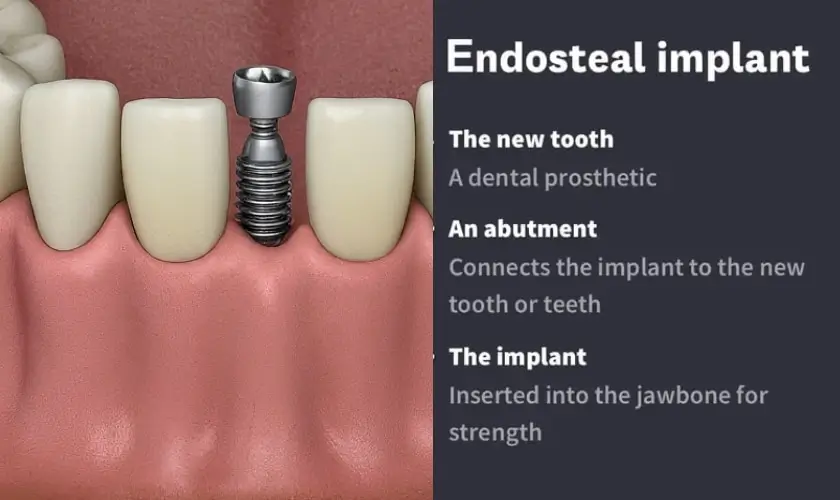
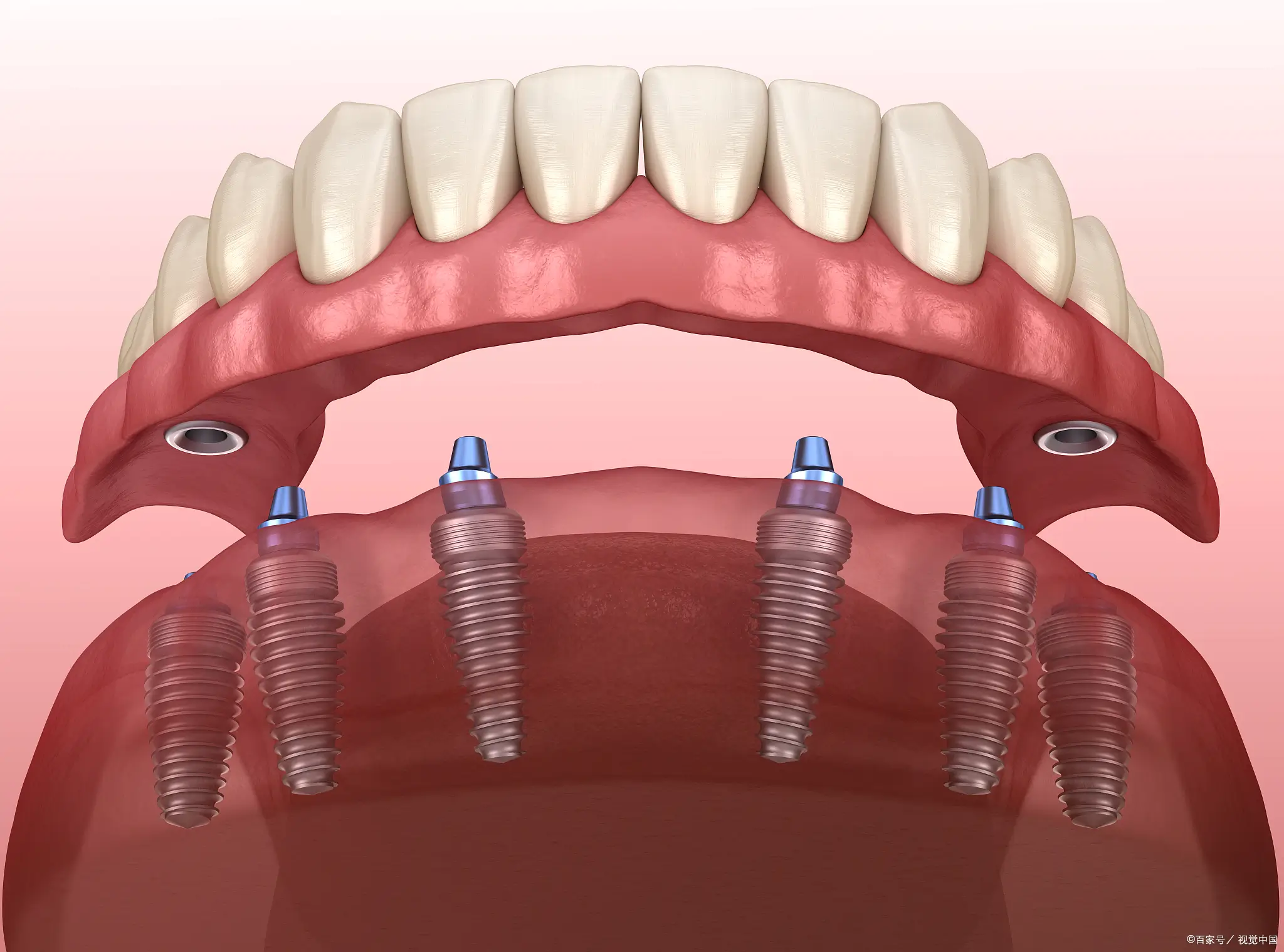
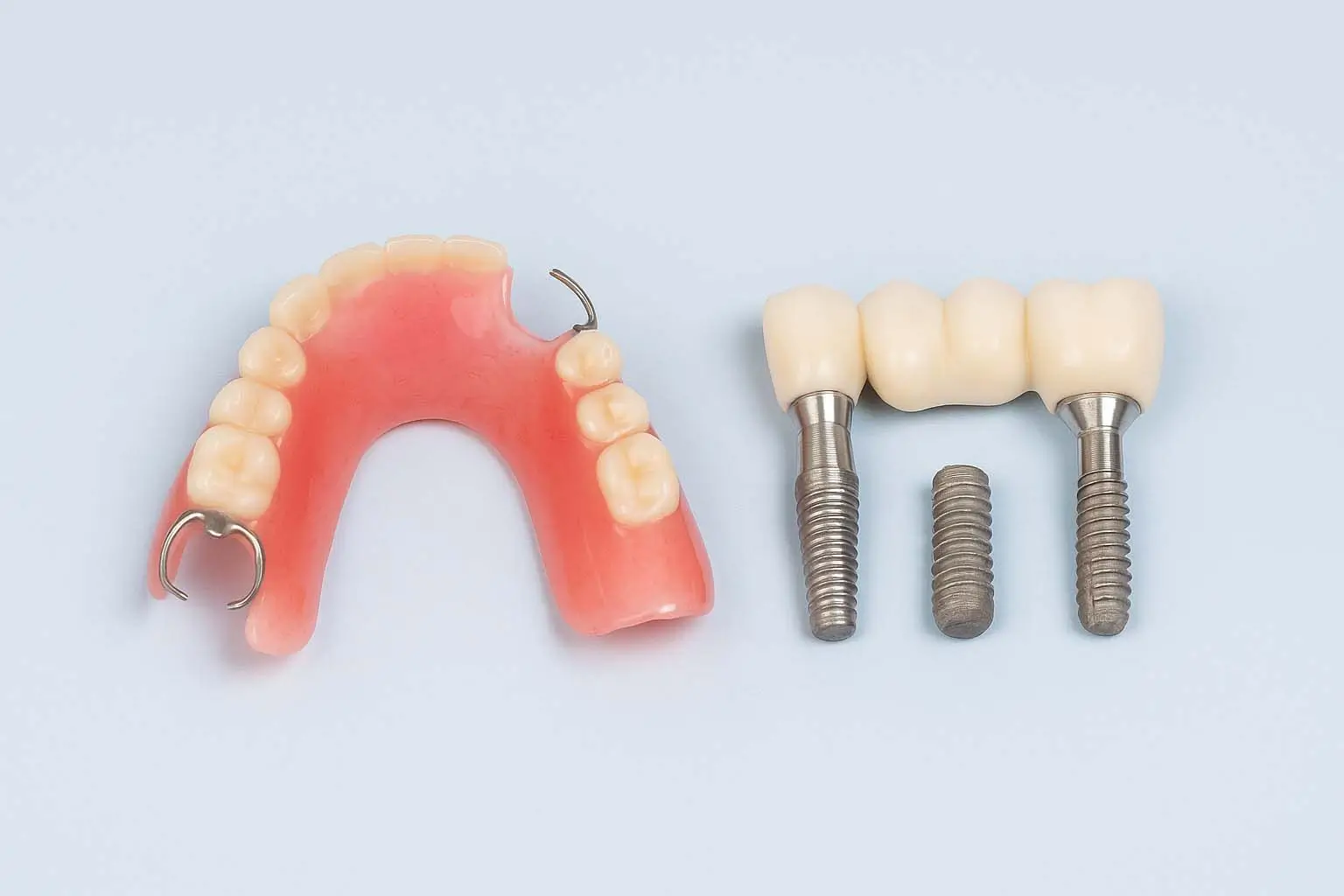
Dental implants have become an increasingly popular choice in Thailand for replacing missing teeth. They look natural, feel comfortable, and can last for many years when properly cared for. However, one question often comes up after implant surgery: *Do you need a night guard to protect them?*
If you’ve recently invested in implants, you already know they’re not cheap. Protecting them is just as important as getting them in the first place. In many cases, wearing a night guard can be a smart move — but it depends on your habits, your bite, and the advice of your dentist.
---
### Why Some People Need a Night Guard
A night guard is a custom-made dental device that fits over your teeth while you sleep. Its main purpose is to protect teeth from grinding or clenching, a habit also known as bruxism.
Many people in Thailand, often due to stress or lifestyle factors such as late working hours or strong coffee habits, clench their jaw at night without realizing it. Over time, this can put a lot of pressure on teeth — and implants are no exception. While the titanium post in the jaw bone is incredibly strong, the porcelain crown above is still vulnerable to damage.
If you grind your teeth regularly, a night guard can prevent chips, cracks, and excessive wear on your implant crown. It can also help reduce strain on the jaw muscles, leading to fewer morning headaches or facial aches.
---
### How Grinding Can Affect Implants
Dental implants are designed to withstand normal biting and chewing forces. However, grinding puts extra pressure on the artificial tooth and surrounding structures. This can lead to:
- **Loosening of the implant crown** – The crown may become unstable if the cement or screw is stressed repeatedly.
- **Cracks or chips in the porcelain** – While crowns are sturdy, they’re still susceptible to damage under extreme force.
- **Bone loss around the implant** – Excessive pressure can, in rare cases, impact the bone supporting the implant if left unchecked over time.
In Thailand, where heat, spicy food, and daily coffee are part of many lifestyles, people often clench their jaws unknowingly. A night guard offers a layer of protection, absorbing force before it reaches the implant.
---
### Signs You Might Need One
Not everyone with implants automatically needs a night guard. However, if you notice any of the following signs, you should speak to your dentist:
- You often wake up with sore jaw muscles or tension in your cheeks.
- You notice wear or flattening on your natural teeth.
- You experience regular headaches in the morning.
- A family member hears grinding sounds while you sleep.
In Thailand, dentists usually check your bite alignment after placing an implant. If they notice uneven forces or signs of grinding, they may recommend fitting a night guard early on to avoid future problems.
---
### Custom vs. Over-the-Counter Night Guards
If y
our dentist does recommend a night guard, you’ll have two main options:
1. **Custom-Fitted Night Guard** – Made from a mold of your teeth, providing perfect fit and maximum comfort. These are more expensive but often last longer and give better protection.
2. **Over-the-Counter Night Guard** – Available at pharmacies in Thailand, these are more affordable but may not fit as well. An improper fit can cause discomfort or even affect your bite over time.
For protecting implants, especially if you’ve had one placed in a critical chewing area like molars, a custom-fitted option is generally worth the investment.
---
### Adjusting to Life With a Night Guard
The first few nights might feel strange, but most people get used to wearing a night guard fairly quickly. If you’ve ever worn retainers after braces, it’s a similar sensation. A helpful tip in Thailand’s warm climate is to store your night guard in a cool, dry container to prevent warping.
You should also clean it daily using a mild soap or denture cleaning solution — avoid hot water as it can change the shape. Regular check-ups will ensure it still fits well and hasn’t worn down.
---
### Dental Care and Implants in the Thai Lifestyle
For many Thais and expats living in Thailand, food plays a big role in daily life. From sticky rice to spicy curries and crunchy street snacks, chewing forces can vary greatly. A night guard acts as a protective measure during sleeping hours, while daytime care ensures implants stay strong.
Always pair your night guard use with good oral hygiene: brushing twice a day, flossing carefully around the implant, and visiting your dentist every six months. In some areas of Thailand, dental clinics now offer digital bite analysis, which can pinpoint if grinding is likely to be an issue.
---
### So, Do You Really Need a Night Guard?
In short, if you have dental implants and a history of grinding or clenching — or if your dentist spots early signs of wear — then yes, a night guard is highly recommended. Think of it as an insurance policy for your new teeth. The small daily effort of wearing one can save you from costly repairs later.
If you don’t grind your teeth and your bite is stable, a night guard might not be necessary. But since bruxism often happens unconsciously, it’s worth asking your dentist for an assessment after implant placement.
---
### Conclusion
Dental implants are a valuable investment in your smile and overall confidence. In Thailand, where implants are becoming more common thanks to advanced dental technology, protecting them is part of maintaining long-term oral health.
A night guard isn’t always required, but for many people — especially those dealing with stress, high-pressure work, or grinding habits — it can make a big difference. Talk to your dentist, weigh the pros and cons, and decide what works best for your lifestyle. After all, keeping your implants safe means keeping your smile strong for many years to come.