Can You Use Water Flossers With Dental Implants
Can You Use Water Flossers With Dental Implants
**Can You Use Water Flossers With Dental Implants**
If you’ve recently had dental implants placed or are planning to get them, you probably know oral hygiene is more important than ever. Many people in Thailand, just like elsewhere, are paying more attention to the tools they use for daily cleaning. Among these tools, the water flosser has become increasingly popular for its convenience and gentle yet effective cleaning power. But the big question remains: *Can you use a water flosser with dental implants?*
The short answer is **yes**, you can — and, in fact, it’s often recommended. However, there are a few practical points to keep in mind so you can ensure you’re getting the best results without risking any damage to your implants. Let’s break it down.
---
### Understanding Dental Implants
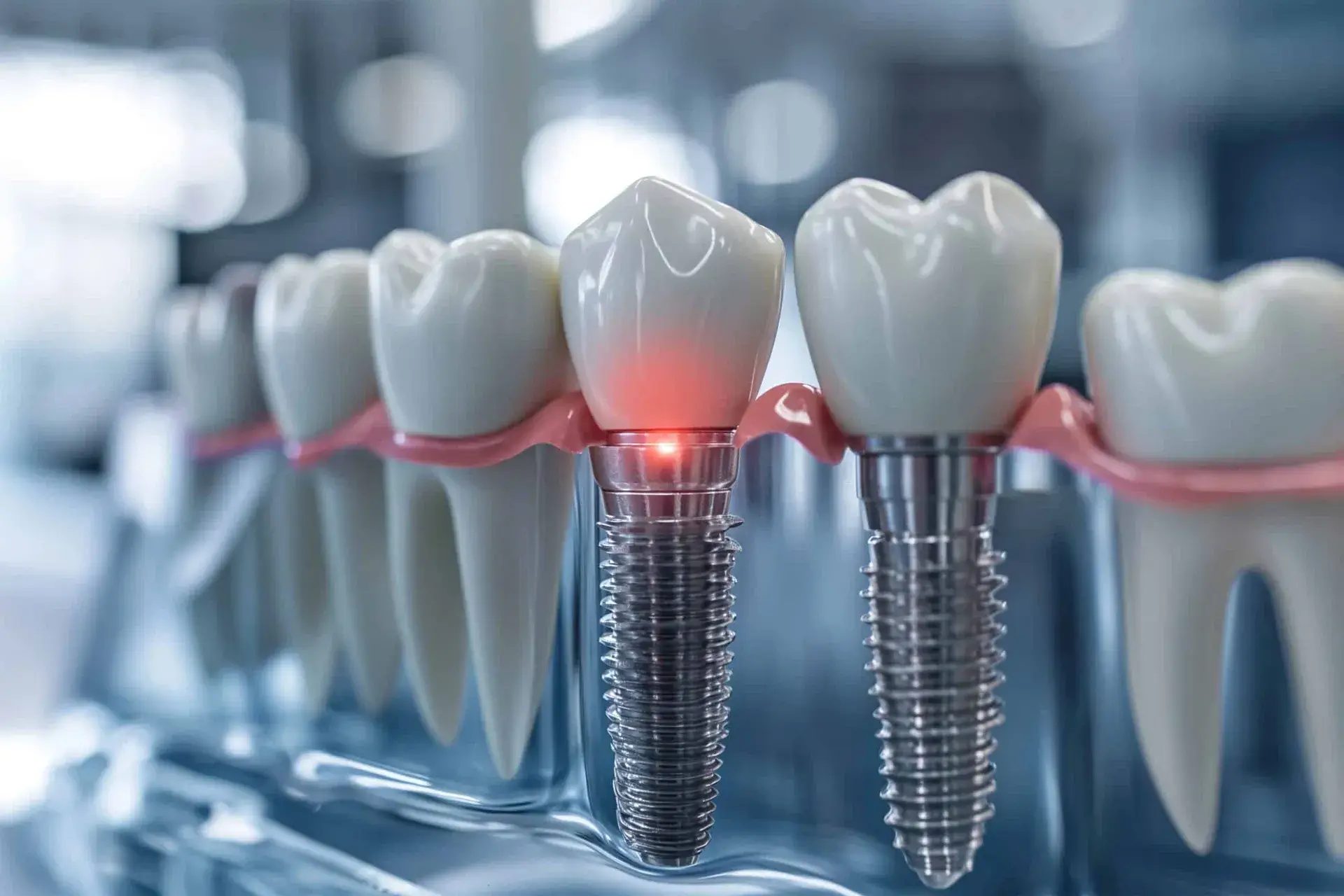
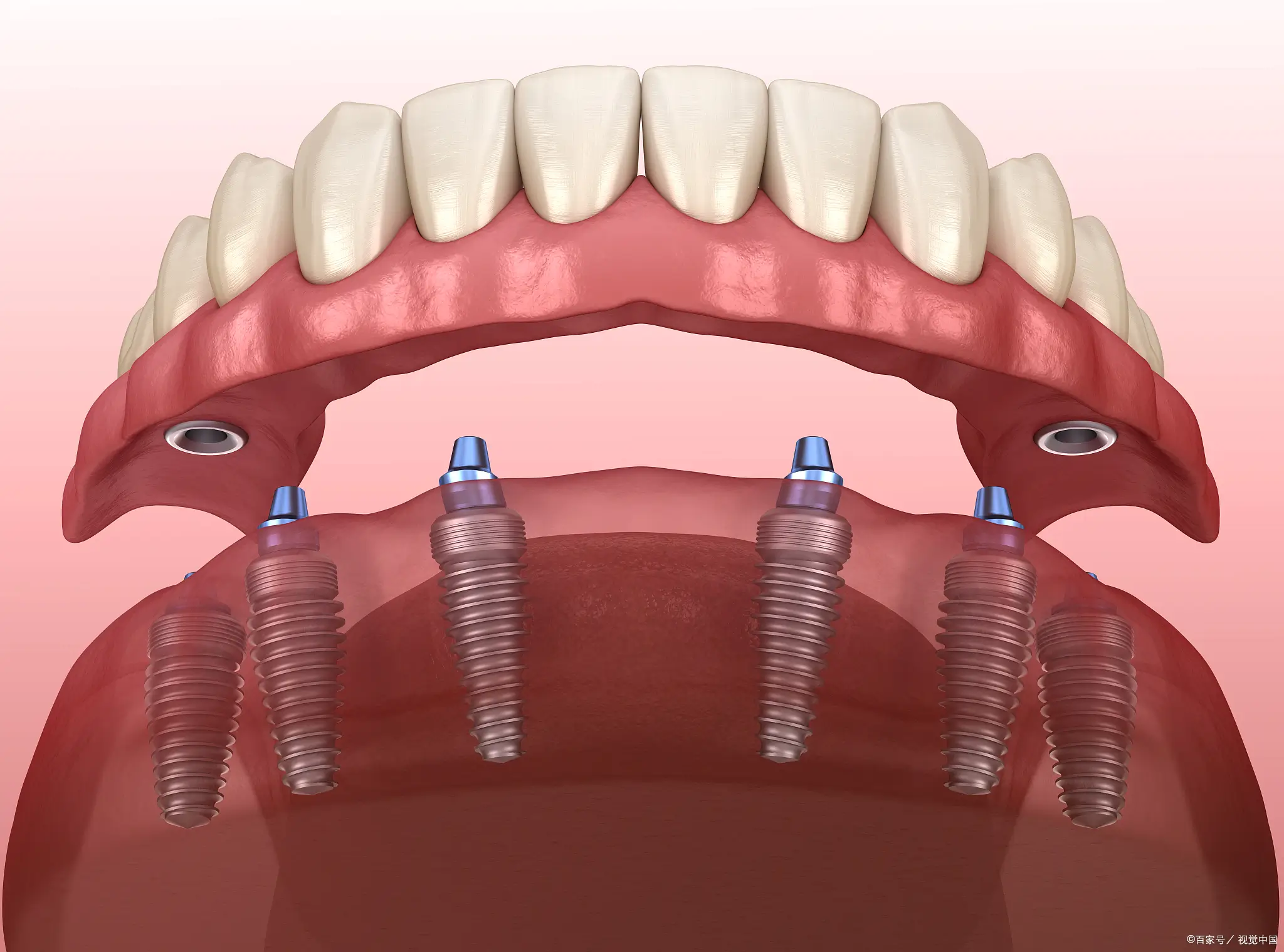
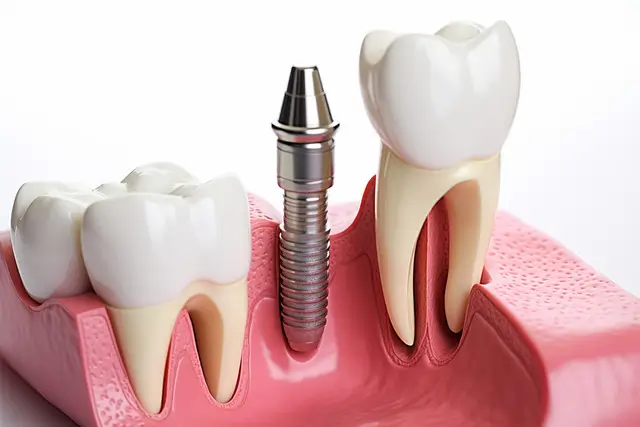
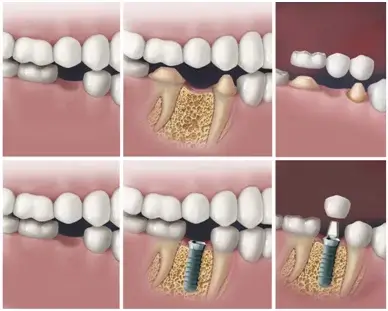
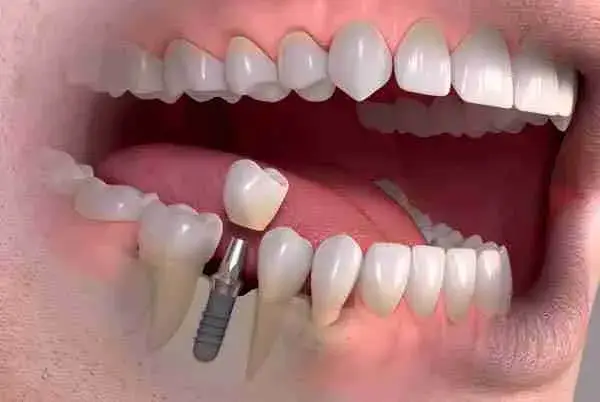
Dental implants are artificial tooth roots, typically made from titanium, that are placed into your jawbone. They create a strong foundation for a crown or bridge, restoring both your smile and your bite. Unlike natural teeth, implants don’t decay, but that doesn’t mean they’re maintenance-free. They are surrounded by soft gum tissue, and this tissue — as well as the bone supporting your implant — can still be affected by plaque and bacteria.
In Thailand, where spicy food, sweet drinks, and street snacks are part of daily life, food particles can easily get stuck between teeth or around the gum line. Without proper cleaning, this can lead to gum inflammation (peri-implant mucositis) or more serious bone loss around the implant (peri-implantitis).
---
### What Is a Water Flosser?
A water flosser, sometimes called an oral irrigator, uses a stream of pulsating water to flush out food particles and plaque between teeth and along the gum line. Many models come with adjustable pressure settings and special tips designed for sensitive gums or implants.
In Thai households, people often appreciate water flossers for their speed — just a couple of minutes each day can give a fresh, clean feeling without the fiddling of traditional floss.
---
### Why Water Flossers Work Well With Implants
**1. Gentle on Gums**
Dental implant patients often experience gum sensitivity, especially during the healing period. A water flosser can clean without scraping or cutting into the gum tissue, which makes it more comfortable than using regular floss when your mouth feels tender.
**2. Reduces Inflammation Risk**
Cleaning around implants is all about keeping bacteria under control. Studies show water flossers can remove plaque and reduce bleeding in the gums more effectively than string floss for some users. In Thailand’s humid climate, where bacterial growth can be quick, this extra effectiveness is a real advantage.
**3. Easy Access to Hard-to-Reach Areas**
Implants sometimes sit near the back of the mouth or in places where traditional floss is tricky to manoeuvre. The water stream can reach these awkward spots easily.
---
### How to Use a Water F
losser Safely With Implants
**Choose the Right Tip**
Many brands include tips designed for implants or orthodontic work. These tips are usually softer and shaped to get around the base of the implant crown.
**Start With Lower Pressure**
When first using a water flosser after implant surgery, start on the lowest pressure. Over time, you can increase if your gums feel healthy and strong.
**Follow a Daily Routine**
In Thailand, morning and evening dental cleaning is common. To protect your implants, make water flossing part of your daily routine — ideally after brushing your teeth.
**Aim Along the Gum Line**
Hold the tip slightly above the gum line and angle it towards where the gum meets the implant. This helps flush away debris trapped under the gum margin.
---
### Common Concerns
**Will the Water Pressure Damage My Implants?**
Modern implants are securely anchored in the jawbone, so normal water flosser pressure won’t loosen or damage them. The important thing is to avoid extremely high settings from the start — let your gums adapt gradually.
**Do I Still Need Traditional Floss?**
For most implant patients, water flossing alone is sufficient if done thoroughly. Your dentist may still suggest occasional use of floss or interdental brushes, especially for areas where plaque buildup is stubborn.
**What If My Gums Bleed?**
Slight bleeding at first can be normal if you haven’t been flossing regularly. However, if bleeding continues or increases, it could be a sign of gum inflammation. In Thailand, it’s easy to drop by a local dental clinic for a quick check-up — don’t ignore persistent bleeding.
---
### Tips From Thai Dentists
Many Thai dentists recommend the combination of soft bristle brushing and water flossing for implant care. They often advise avoiding overly sweet beverages late at night and rinsing with clean water after street food meals.
Because dental treatment can be quite affordable compared to many countries, regular check-ups every 6 months are well worth the time. Professional cleaning can catch early signs of trouble and refresh the area around your implants.
---
### Final Thoughts
So, can you use water flossers with dental implants? Absolutely — and for many people, it’s one of the best ways to keep implants healthy for years to come. The key is to use the right tip, gentle pressure, and consistent daily cleaning. In Thailand’s food-rich culture, where sticky rice, curries, and desserts are part of everyday enjoyment, keeping your implant area clean is a smart move.
By making water flossing a habit and combining it with regular brushing and dental visits, you can protect both the look and the function of your implants. Think of it as giving your teeth a mini shower every day — quick, refreshing, and effective.
A healthy smile isn’t just about appearance; it’s about confidence and comfort. And with the right tools, looking after your dental implants can be much simpler than you think.