Signs Your Dentist May Recommend a Bone Graft
Signs Your Dentist May Recommend a Bone Graft
**Signs Your Dentist May Recommend a Bone Graft**
If you’ve ever visited a dental clinic in Thailand and your dentist mentioned a “bone graft,” you might have wondered what that really means. A bone graft is a procedure where bone material is added to your jaw to build up its structure. It’s often needed before certain treatments, like dental implants, can be done successfully. While the term can sound intimidating, it’s actually a very common and safe procedure when carried out by experienced dentists.
In Thailand, more and more people are becoming aware of advanced dental procedures thanks to growing access to modern clinics in cities like Bangkok, Chiang Mai, and Phuket. Knowing the signs that might lead your dentist to recommend a bone graft can help you better understand your oral health, ask the right questions, and make informed decisions.
---
### 1. You Have Missing Teeth for a Long Time
One of the most common reasons dentists suggest a bone graft is the loss of jawbone density after a tooth has been missing for months or even years. When a tooth is gone, the jawbone in that area no longer gets the stimulation it needs from chewing, which leads to gradual bone shrinkage. In Thailand, where many people still delay tooth replacement due to cost or busy lifestyles, this issue is quite common.
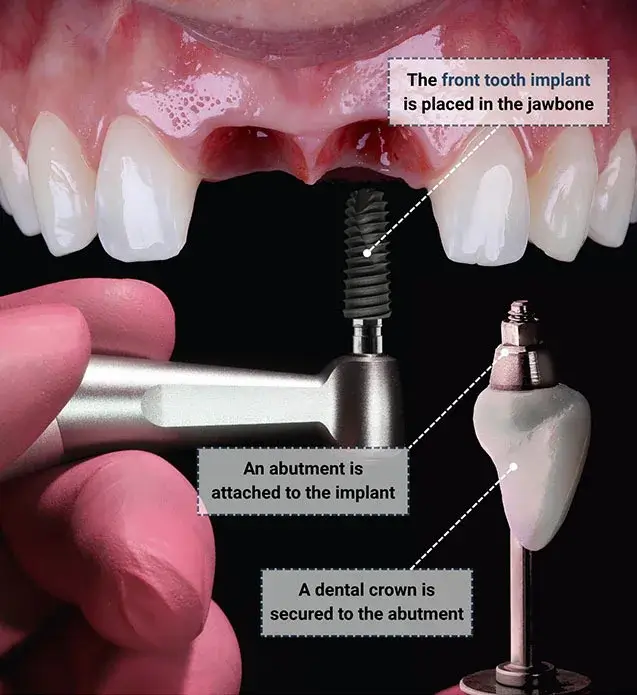
Your dentist may notice during an X-ray that your jawbone is too thin or weak to hold a dental implant. A bone graft can restore that bone volume, making implant placement possible and secure.
---
### 2. You Have Advanced Gum Disease
Severe gum disease, or periodontitis, not only affects your gums but also the supporting bone structures. In Thailand, spicy food and sweet snacks are part of everyday life, and without proper brushing and flossing, gum issues can progress quickly. If left untreated, gum disease can cause significant bone loss around the teeth.
Your dentist might recommend a bone graft to rebuild these areas, especially if the goal is to stabilize loose teeth or prepare the mouth for major restorative work.
---
### 3. Your Dental Implant Needs Better Support
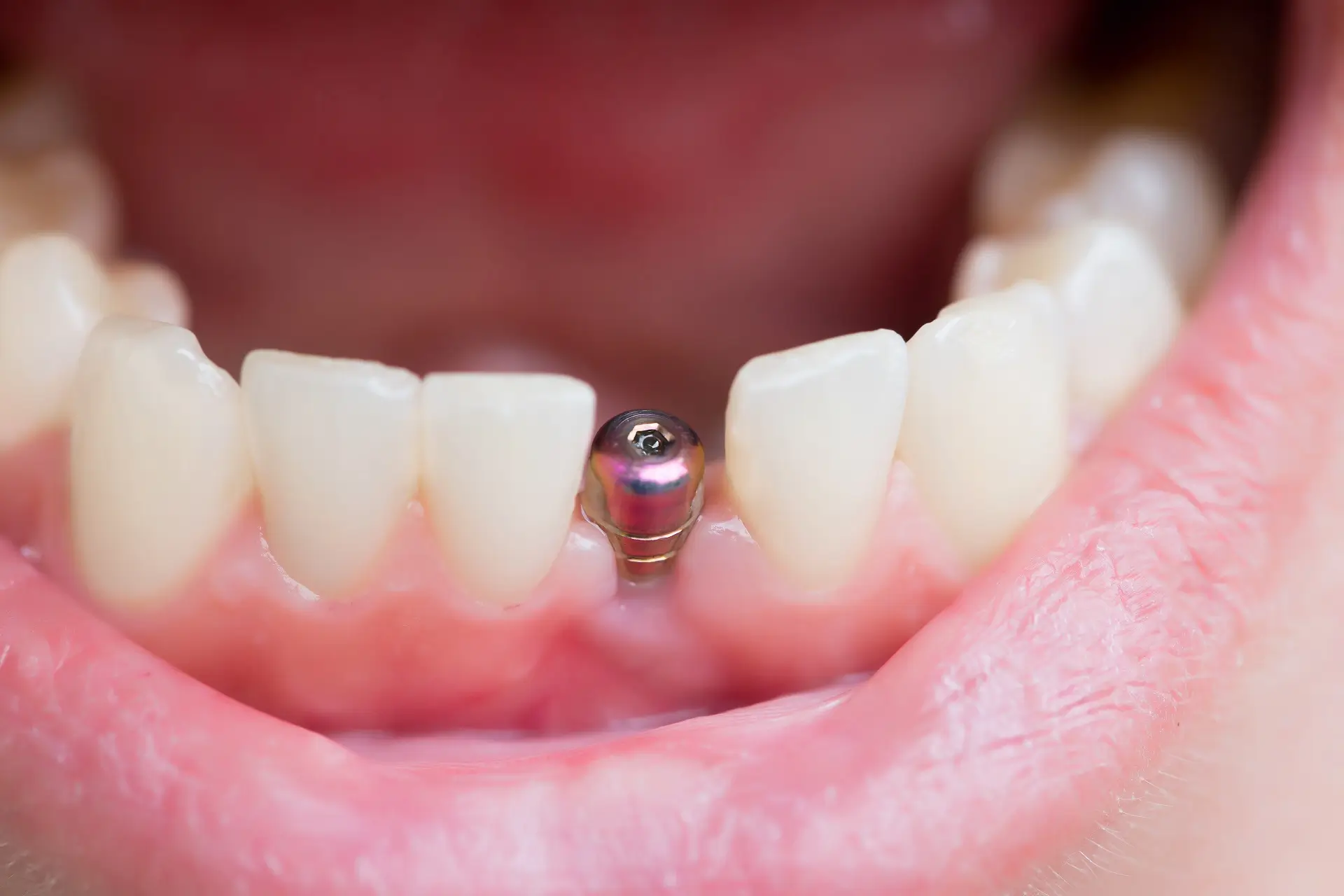
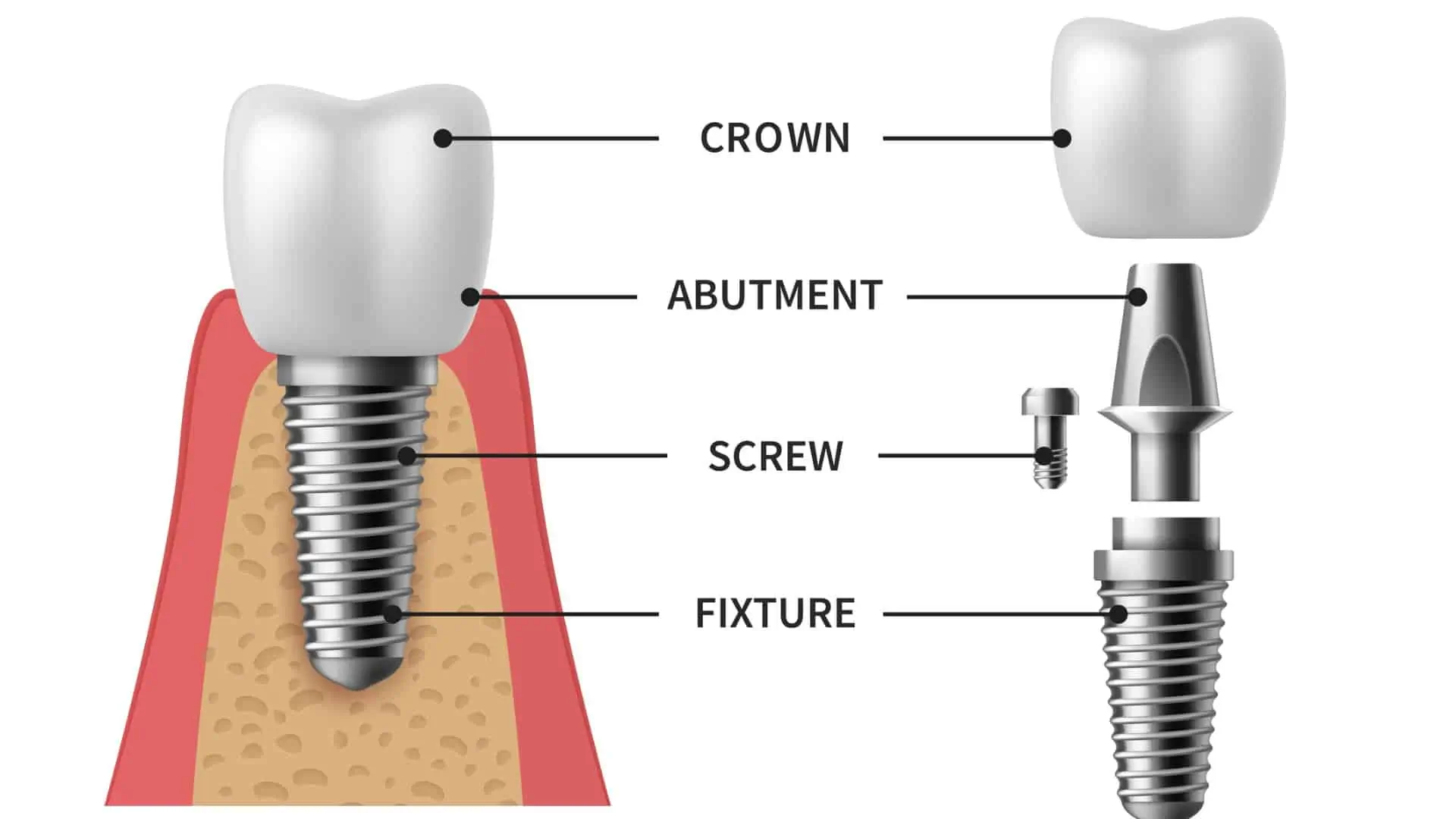
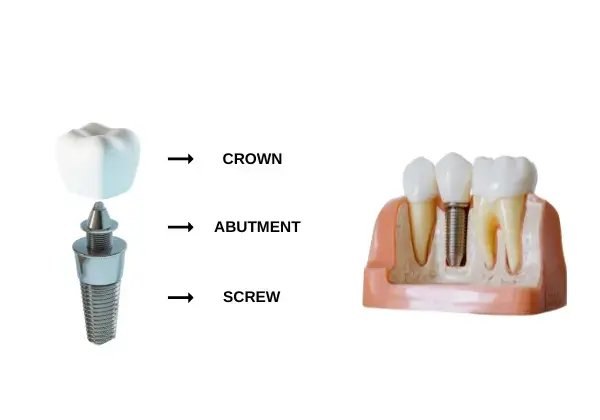
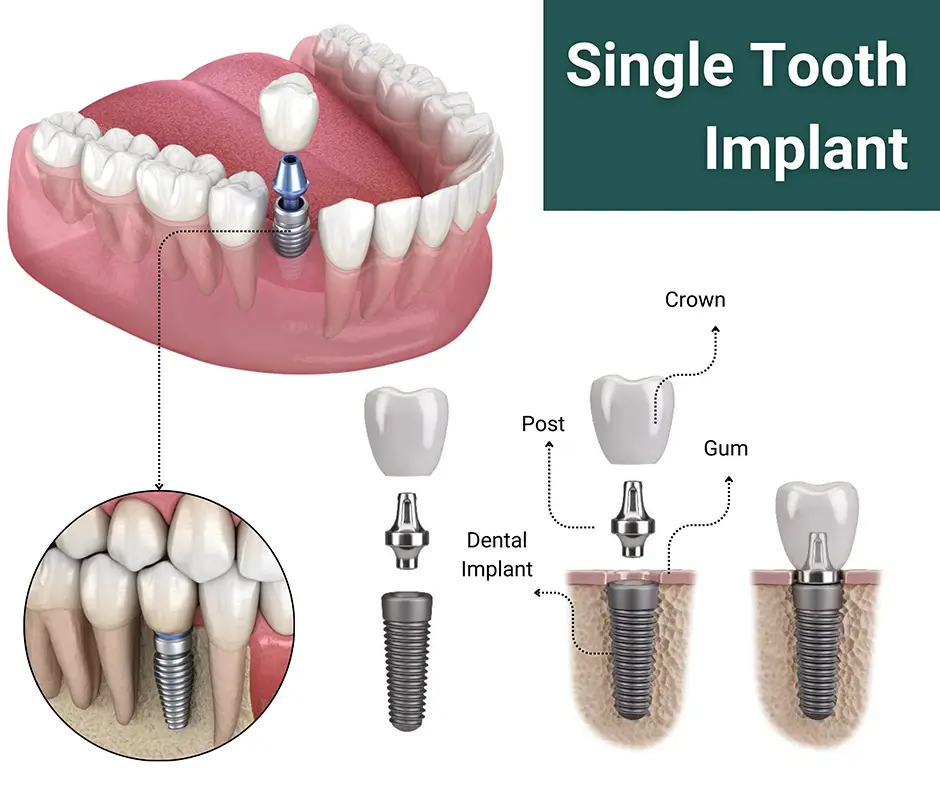
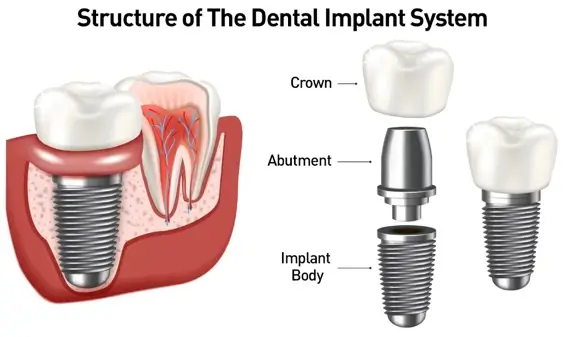
Dental implants work best when they have a strong and healthy jawbone to anchor into. Sometimes patients in Thailand travel to a clinic with the hope of getting an implant right away, but after a check-up, the dentist finds that the bone isn’t quite ready.
A bone graft before the implant ensures a longer-lasting, more successful result. Think of it like reinforcing the foundations before building a house — it’s an extra step that guarantees better stability.
---
### 4. Facial Shape Changes
If your cheeks or jawline start looking sunken, especially after losing several teeth, it could be due to bone loss in the jaw. These subtle changes in facial shape often make people fee
l older than they really are. In Thailand, where appearance and confidence play an important role in social life, this concern is often what brings patients to the dentist.
Bone grafting can restore facial volume by rebuilding the jawbone, which in turn supports the natural contours of your face.
---
### 5. History of Jaw Injury or Trauma
Accidents, sports injuries, or even previous dental extractions can sometimes cause damage to the jawbone. In more rural parts of Thailand, where motorcycle accidents are more frequent, jaw injuries can lead to long-term oral health issues.
Your dentist may recommend a bone graft if the damaged area no longer has enough bone structure for chewing, speaking, or supporting a dental prosthesis.
---
### 6. Sinus Expansion into Upper Jaw
This is a condition more common in the upper back teeth area. Over time, after tooth loss, the sinus cavity can expand downward, reducing space and bone density. Thai dentists often see this in patients who have had missing upper molars for years.
To place implants in that area, your dentist might suggest a sinus lift — a specific type of bone graft — to create a stronger base.
---
### What to Expect if You Need a Bone Graft
If your dentist in Thailand tells you that a bone graft is necessary, there’s no need to panic. The process usually begins with an assessment using X-rays or 3D scans. The bone material can come from different sources: your own body, a donor, or synthetic materials designed to mimic natural bone.
The procedure is straightforward and is often done under local anaesthesia at the clinic. Recovery time can vary, but most patients in Thailand can return to normal daily activities fairly quickly, with just a few days of mild soreness. It’s important to follow your dentist’s aftercare instructions, eat soft foods, and keep the area clean.
---
### Why Early Action Matters
One thing Thai dentists often emphasize is that early intervention prevents bigger problems. Bone grafting works best when done before severe deterioration. Regular dental check-ups — at least twice a year — help catch bone loss early so treatment can be simpler and more effective.
---
### Final Thoughts
Bone grafting might sound like a major procedure, but in reality, it’s a valuable technique that helps restore not just your teeth, but your overall oral function and confidence. In Thailand, where modern dental technology is now widely available, having such treatment is safer and more convenient than ever before.
If you notice changes in your bite, facial shape, or have been missing teeth for a long time, don’t delay a dental appointment. Your dentist can assess whether a bone graft is right for you, giving you the chance to enjoy long-lasting, healthy smiles well into the future.