How to Tell If Your Jawbone Is Suitable for Implants
How to Tell If Your Jawbone Is Suitable for Implants
**How to Tell If Your Jawbone Is Suitable for Implants**
Dental implants have become one of the most popular tooth replacement options in Thailand, especially in cities like Bangkok, Chiang Mai, and Phuket where advanced dental clinics are readily available. They don’t just look and feel like natural teeth – they also help maintain the strength and shape of your jawbone. However, not everyone’s jawbone is automatically ready for implants. Before getting excited about flashing a perfect smile, it’s important to know whether your jawbone can support this treatment.
Here’s a clear, conversational guide to help you understand the signs and steps involved in knowing if your jawbone is suitable for implants.
---
### Why Jawbone Health Matters for Implants
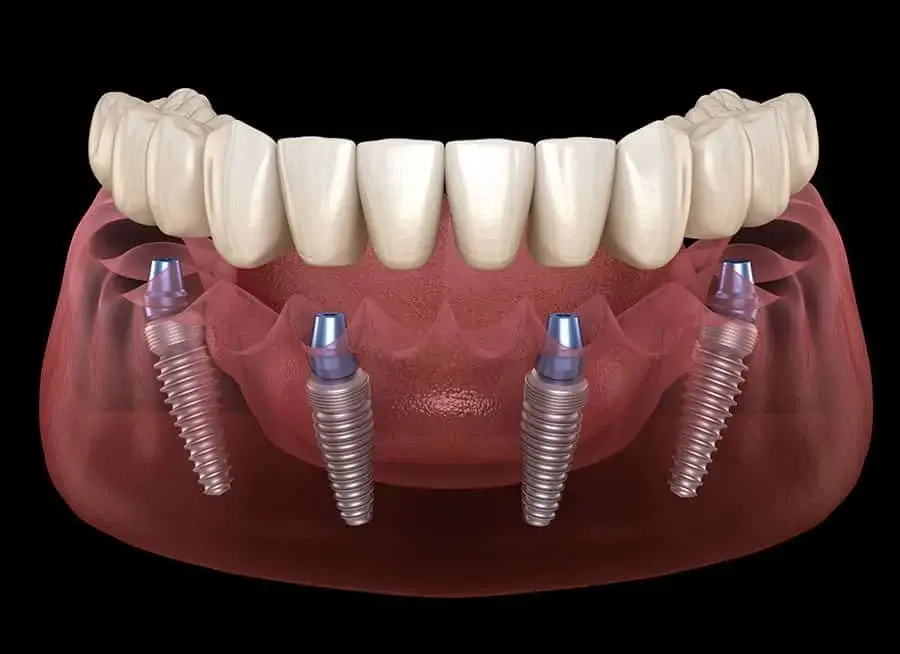
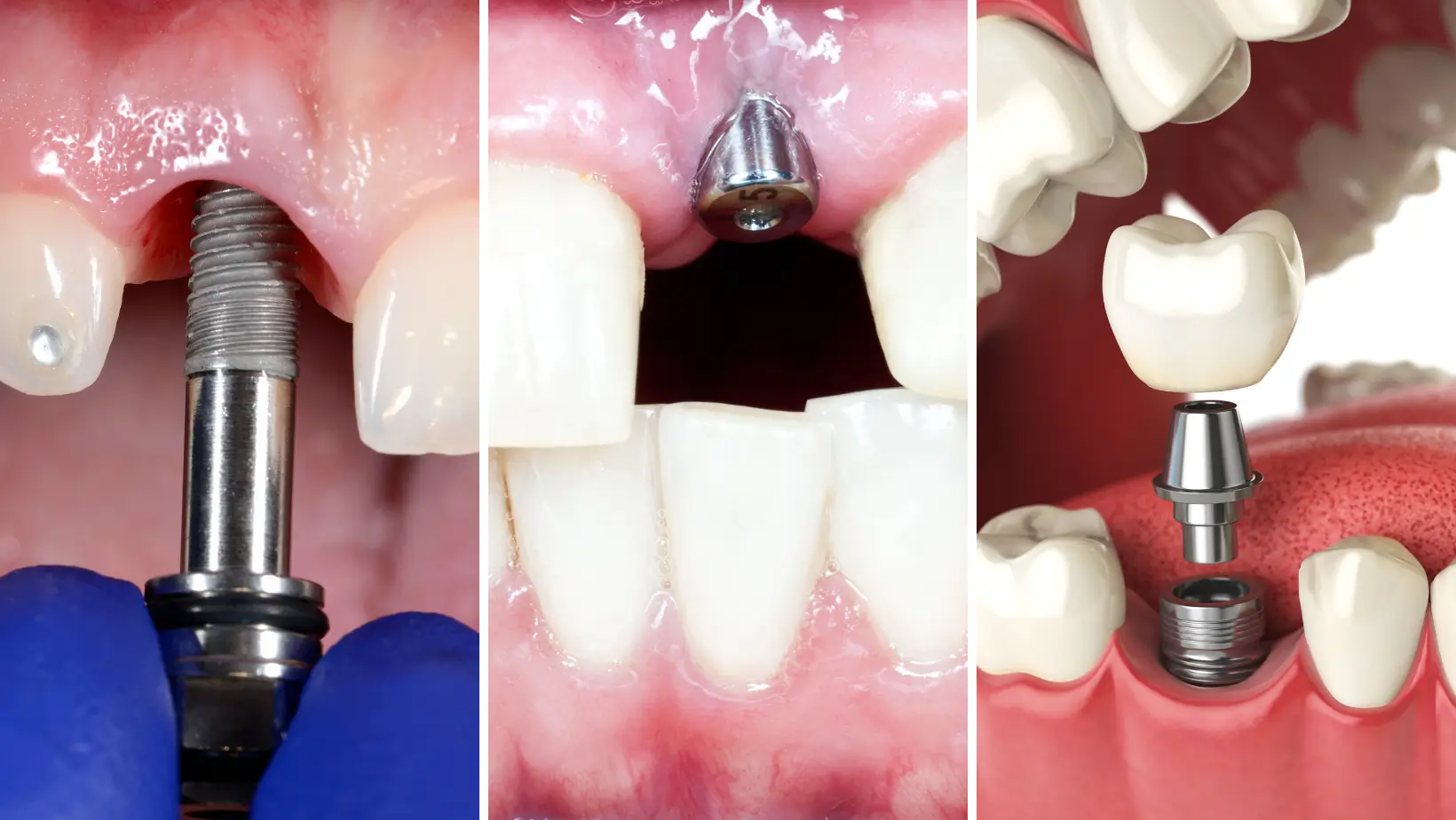
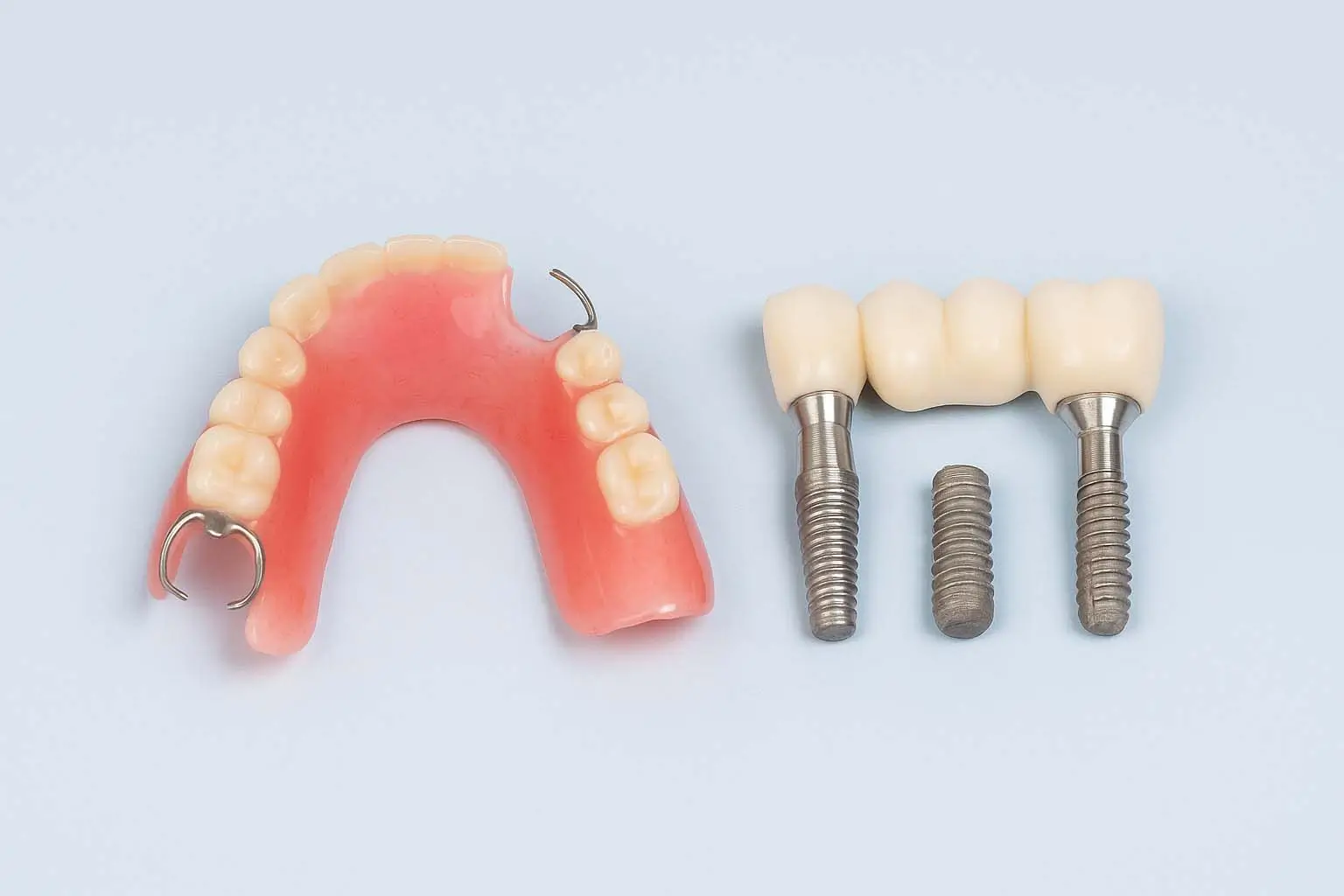
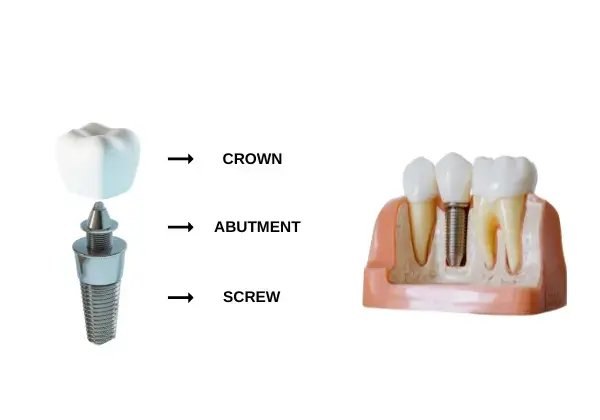
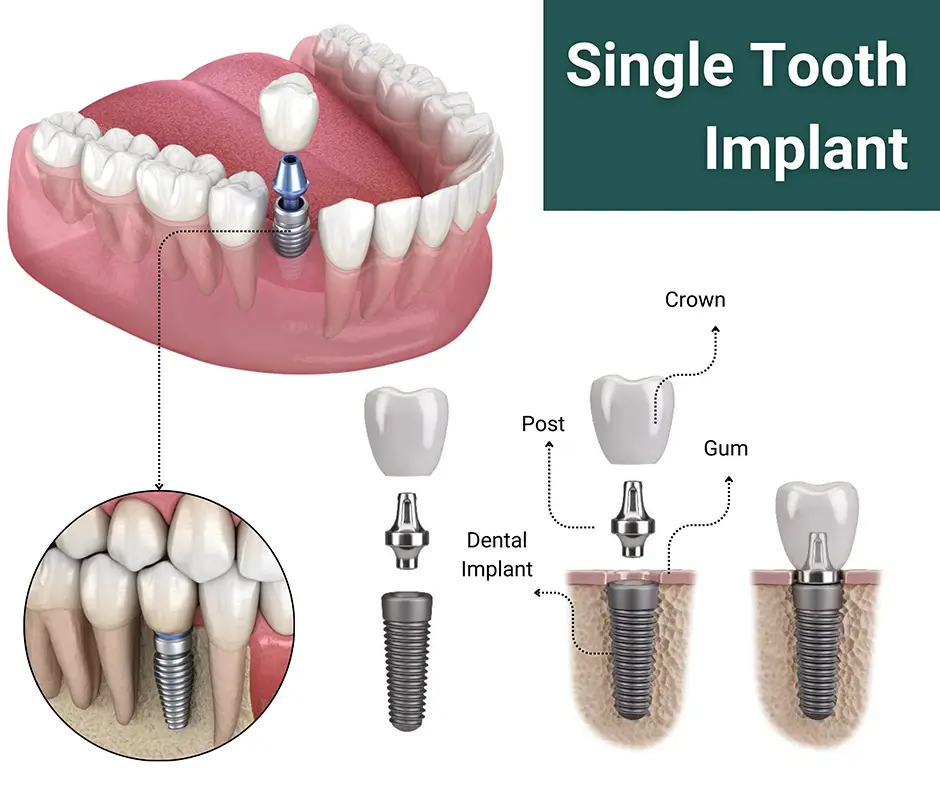
A dental implant is essentially a small titanium post, placed into the jawbone to act like a natural tooth root. For the implant to stay firmly in place, it needs solid, healthy bone to fuse with. If the bone is too thin, soft, or has deteriorated over time, the implant may not be stable. In Thailand, dentists often recommend thorough examinations to make sure the jawbone can handle the procedure, because successful implants depend on strong bone support.
---
### Signs Your Jawbone Might Be Suitable
1. **No Major Bone Loss from Missing Teeth**
When a tooth has been missing for a long time, the bone underneath tends to shrink or weaken. If you lost a tooth recently and are considering an implant quickly, chances are that your jawbone is still in good condition.
2. **Healthy Gums**
Gum health and jawbone health are closely connected. If your gums are free from severe infections like periodontitis, the underlying bone is more likely to be strong enough for implants. Many people in Thailand are advised to treat gum diseases first, before thinking about implants.
3. **Stable Facial Structure**
The jawbone plays a big role in keeping your face’s natural shape. If there’s no noticeable sagging or sunken areas around your mouth, your bone structure is likely still holding up well.
---
### Factors That Can Affect Jawbone Suitability
- **Previous Dental Issues**: Long-term decay, severe gum problems, or repeated extractions in the same area can weaken the bone.
- **Trauma or Injury**: Accidents involving the mouth or jaw might lead to bone loss.
- **Medical Conditions**: Osteoporosis or certain medications can reduce bone density.
- **Age and Lifestyle**: Although implants are possible at almost any age, habits like smoking or poor oral hygiene can negatively impact bone health.
In Thailand, dentists often point out that lifestyle choices – such as consuming less sugary food, maintaining oral hygiene, and attending regular dental check-ups – greatly influence whether your jawbone stays strong enough for implant surgery.
---
### How Dentists Check Your Jawbone
If you’re seri
ous about getting implants, the next step is a professional assessment. This isn’t something you can confirm on your own. A qualified dentist will usually recommend:
- **Dental X-rays**: To see the height, width, and density of your jawbone.
- **3D Scans (CBCT)**: Many advanced clinics in Thailand use Cone Beam CT scans for precise mapping of the bone.
- **Physical Examination**: Checking gum health, bite alignment, and overall oral condition.
From these tests, your dentist can tell exactly how strong and thick your jawbone is, and if it’s ready for an implant or needs some preparation.
---
### What If Your Jawbone Isn’t Ready?
This happens more often than people realise, especially if a tooth has been missing for years. But it doesn’t mean you can’t have an implant – it just means extra treatment may be needed, such as:
- **Bone Grafting**: Adding bone material to increase density and strength. This can be natural bone from your own body or synthetic alternatives.
- **Sinus Lift**: In the upper jaw, especially for molars, this surgery raises the sinus floor to create space for new bone.
- **Guided Tissue Regeneration**: Encouraging the growth of bone and gum tissue before placing implants.
Many modern Thai dental clinics are skilled in these procedures, and they can make implants possible even for people who currently have insufficient bone.
---
### Tips to Maintain a Healthy Jawbone
Whether you’re preparing for implants or simply want to safeguard your oral health, here are some practical habits that are easy to follow in daily Thai life:
1. **Replace Missing Teeth Quickly**
Don’t delay after losing a tooth. The longer the gap remains, the more bone you may lose in that area.
2. **Regular Dental Check-ups**
Twice a year visits allow dentists to catch early signs of bone or gum problems.
3. **Eat a Balanced Diet**
Calcium-rich foods like milk, leafy greens, and certain seafood support bone strength.
4. **Practice Good Oral Hygiene**
Brush at least twice a day and floss daily. This helps prevent gum diseases that can damage bone.
5. **Avoid Smoking**
Smoking reduces blood flow to your gums and slows bone healing.
---
### Final Thoughts
Getting dental implants in Thailand is a worthwhile investment in your health and confidence, but it all starts with a healthy jawbone. The best way to know if you’re ready is to consult a qualified dentist, get the right scans, and follow professional advice. Strong bone means strong implants – and a beautiful, lasting smile.
If you take care of your gums and bones now, you’re not just preparing for implants – you’re protecting your oral health for years to come. With modern dental technology available across Thailand, from small local clinics to internationally accredited centres, there’s a good chance your dream of a perfect smile is closer than you think.