Are Ceramic Implants Better for People With Metal Sensitivity
Are Ceramic Implants Better for People With Metal Sensitivity
**Are Ceramic Implants Better for People With Metal Sensitivity?**
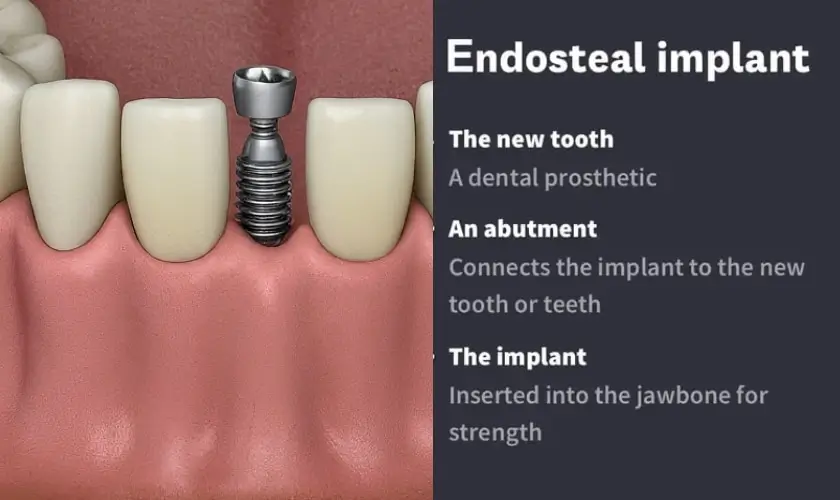
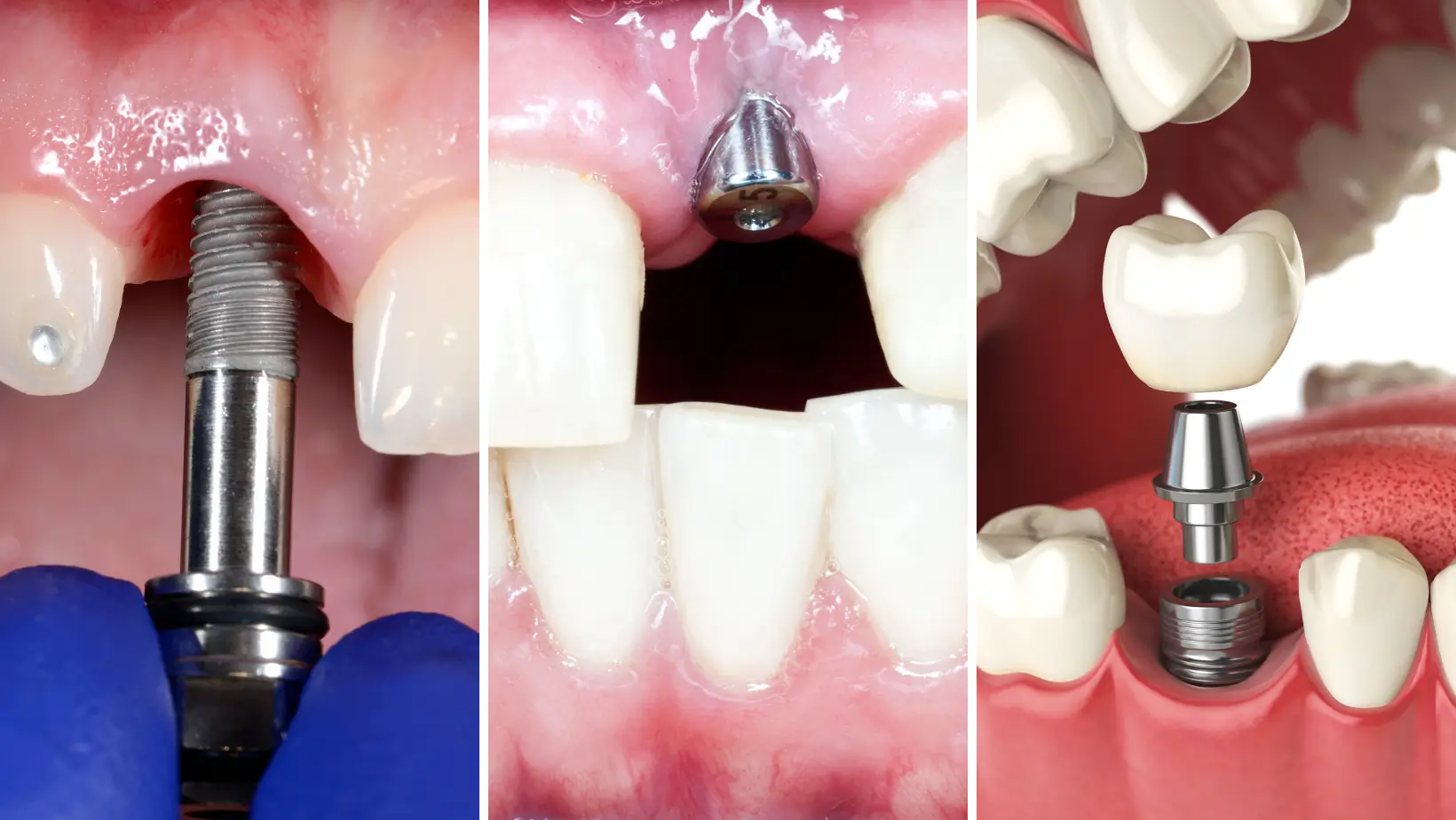
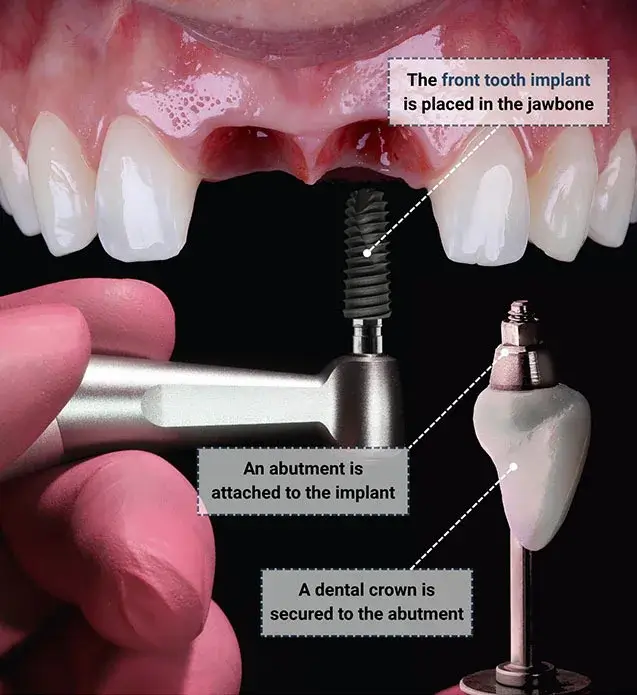
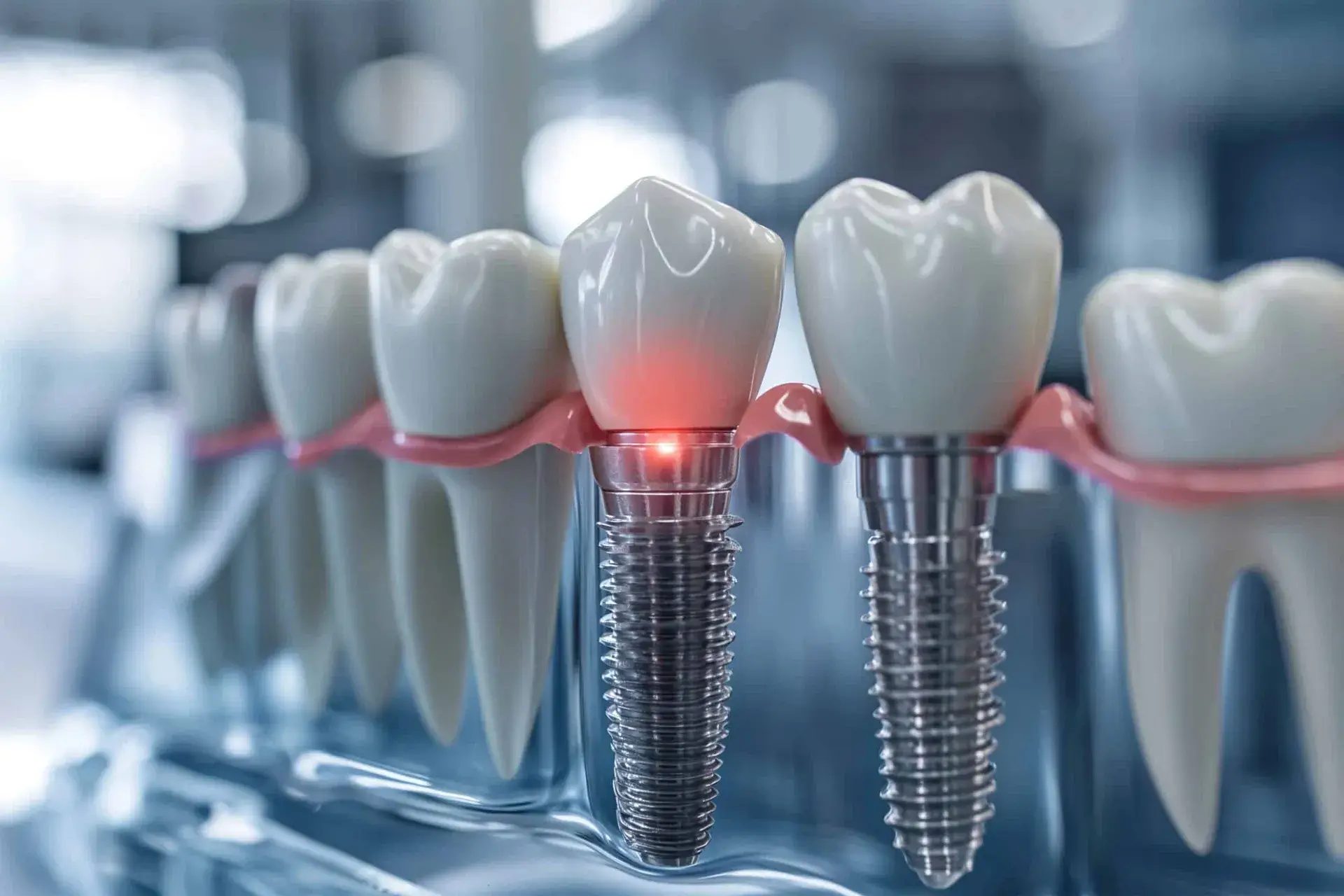
When it comes to dental implants, most people immediately think about titanium. Titanium has been the go-to material for decades because of its strength, durability, and high success rate. However, there’s one concern that has been increasingly discussed among patients in Thailand and worldwide — metal sensitivity. If you’ve ever had skin reactions to jewellery, watches, or certain medical devices, you might be wondering if a metal-based implant is truly right for you. This is where ceramic implants enter the conversation.
### Understanding Metal Sensitivity in Dental Care
Metal sensitivity, sometimes called metal allergy, can manifest in a variety of ways. Common symptoms include redness, swelling, rashes, or discomfort in areas that come into contact with certain metals. While titanium is generally considered biocompatible, a small number of people can still react negatively. For patients who have experienced allergic symptoms or simply prefer to avoid metals altogether, ceramic dental implants can be an appealing choice.
In Thailand, where holistic health awareness is growing and more patients are looking for materials that feel “natural” inside the body, dentists are seeing a steady rise in requests for non-metal options. Many local clinics, especially in Bangkok, Phuket, and Chiang Mai, now offer ceramic implant solutions alongside traditional titanium ones.
### What Are Ceramic Dental Implants?
Ceramic implants are typically made from zirconia — a high-strength, biocompatible material that is completely metal-free. Zirconia’s tooth-like colour means it blends well in the mouth, unlike titanium, which can sometimes give a greyish tone to the gum tissue.
Zirconia has been used in dentistry for crowns and bridges for many years, and its track record for durability and aesthetics is strong. In implantology, ceramic options have gained popularity for patients wanting a more natural-looking and hypoallergenic solution.
### Why Ceramic Implants Appeal to People With Metal Sensitivity
1. **No Metal Content**
Ceramic implants are 100% metal-free. This eliminates the risk of a reaction associated with metal allergies, giving peace of mind to patients who have experienced sensitivity in the past.
2. **Better Aesthetics**
Particularly for front teeth, zirconia’s colour is a clear advantage. In Thailand’s sunny climate and vibrant lifestyle, having a naturally white implant without gum discolouration is important for many patients who value an attractive smile.
3. **Compatibility With the Body**
Because ceramic is highly biocompatible, it integrates well with gum tissue and bone. Many Thai dentists report reduced inflammation and healthier gum responses around zirconia implants compared to some metal implants in sensitive patients.
4. **Resistance to Corrosion**
Metal implants can corrode over decades, especially in patients with certain oral conditions. Zirconia, on the other hand, is chemically stable and won’t corrode in the moist, warm
environment of the mouth.
### Are There Any Downsides?
It’s important to understand that ceramic implants, while highly effective, are not without limitations.
- **Slightly More Fragile in Certain Situations**
Zirconia is strong but less flexible than titanium. In some cases involving heavy bite forces — such as patients with teeth grinding — titanium might still be recommended.
- **Limited Long-Term Data**
Titanium implants have decades of research proving their success rates. Ceramic implants have been around for a shorter time, so while early results are promising, they don’t yet have the same historical data.
- **Availability and Cost**
In Thailand, ceramic implants may be slightly more expensive and not available in all dental clinics. Urban areas like Bangkok have more specialists offering this service, but in smaller provinces, titanium may still be the default choice.
### What Thai Dentists Recommend
Most dentists in Thailand begin with a detailed consultation and allergy history before making recommendations. If a patient shows signs of possible metal sensitivity — or simply prefers a “non-metal” lifestyle — they will explain the pros and cons of ceramic vs titanium, taking into account factors such as bite strength, location of the missing tooth, and budget.
For example, a patient replacing a front tooth might benefit greatly from zirconia for its aesthetics and avoidance of metal. On the other hand, a back molar under heavy chewing pressure might still be better restored with titanium for durability, unless allergy concerns outweigh those factors.
### Making Your Decision
If you suspect you have metal sensitivity, it’s worth discussing this openly with your dentist. In Thailand, many dental clinics can arrange allergy testing, although not all reactions can be predicted in advance. Choosing ceramic implants could be a simple step toward avoiding potential discomfort.
Think about:
- Your medical history and past reactions to metals
- The location of the implant in your mouth
- Your lifestyle and appearance goals
- Your budget and access to experienced implant dentists
### Final Thoughts
Ceramic dental implants can be a great alternative for people with metal sensitivity, offering both peace of mind and excellent aesthetics. In Thailand, where beauty and health often go hand in hand, zirconia implants are gaining traction as a modern solution for those who value a natural, hypoallergenic approach to dental restoration.
While titanium will always have its place, ceramic implants are proving that patients have more options than ever before. The best choice will depend on your unique needs, but if avoiding metal is important to you, ceramic might just be the answer you’ve been searching for.
A personalized consultation with a qualified Thai dentist who is familiar with both implant types will give you the clearest picture. With the right expert guidance, you can restore your smile in a way that suits your health, lifestyle, and confidence — without worrying about metal sensitivity.