How Weather Changes Can Affect Implant Healing
How Weather Changes Can Affect Implant Healing
**How Weather Changes Can Affect Implant Healing**
If you’ve recently had a dental implant done, you probably know how important the healing process is for long‑term success. In Thailand, we’re lucky to enjoy warm weather most of the year, but we also experience sudden changes — from humid rainy seasons to hot spells and cooler breezy days. Many people wonder whether these shifts in temperature and climate can have any effect on how well an implant heals.
Let’s take a closer look at how weather changes might influence your recovery, what you can do to protect your healing implant, and practical tips you can follow no matter where in Thailand you live.
---
### Understanding Implant Healing Basics
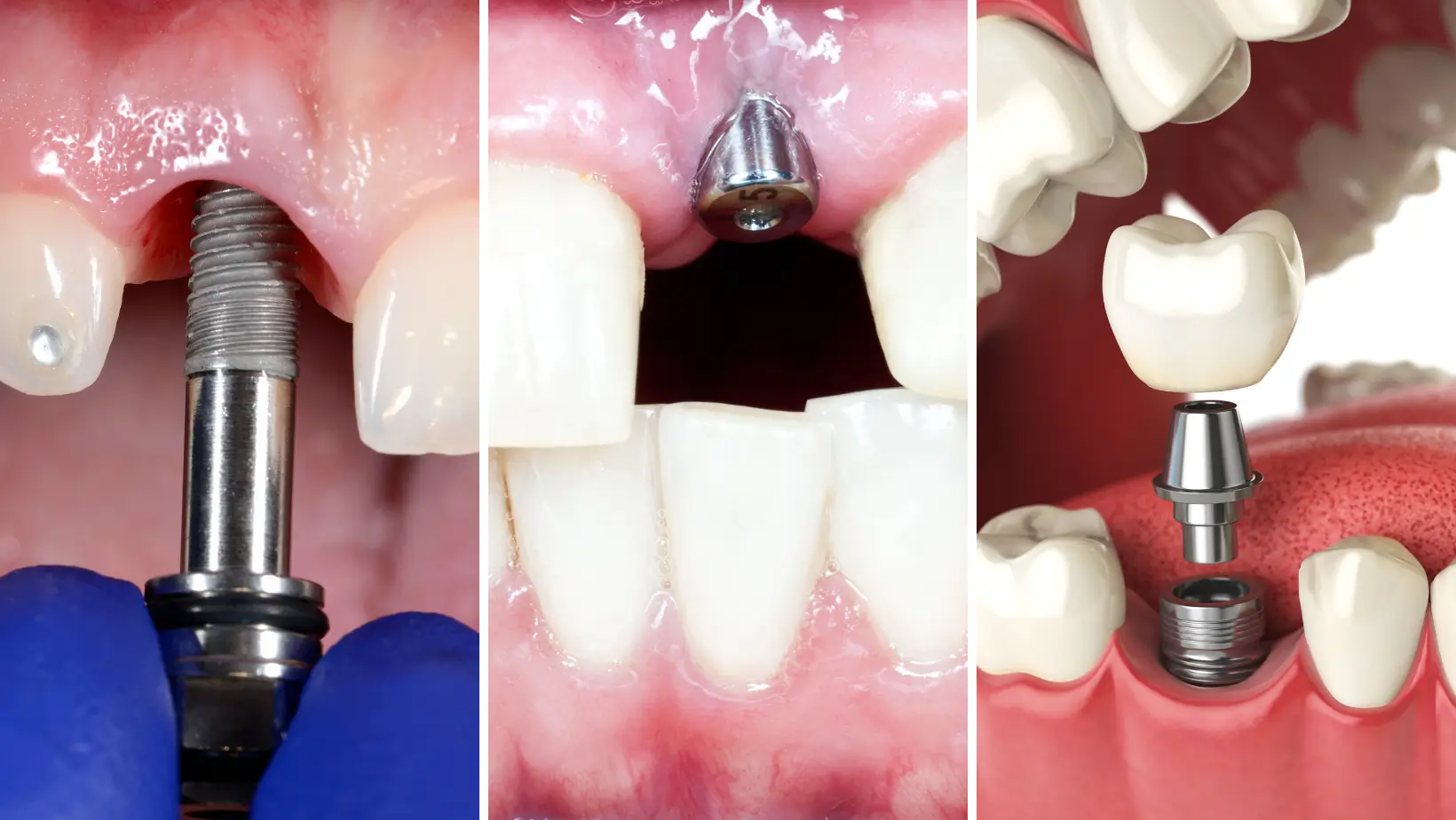
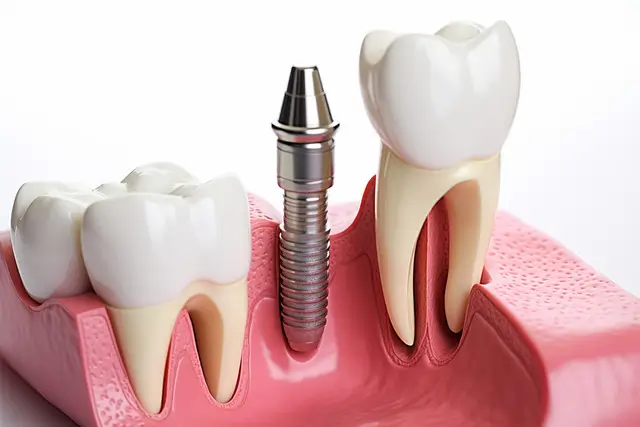
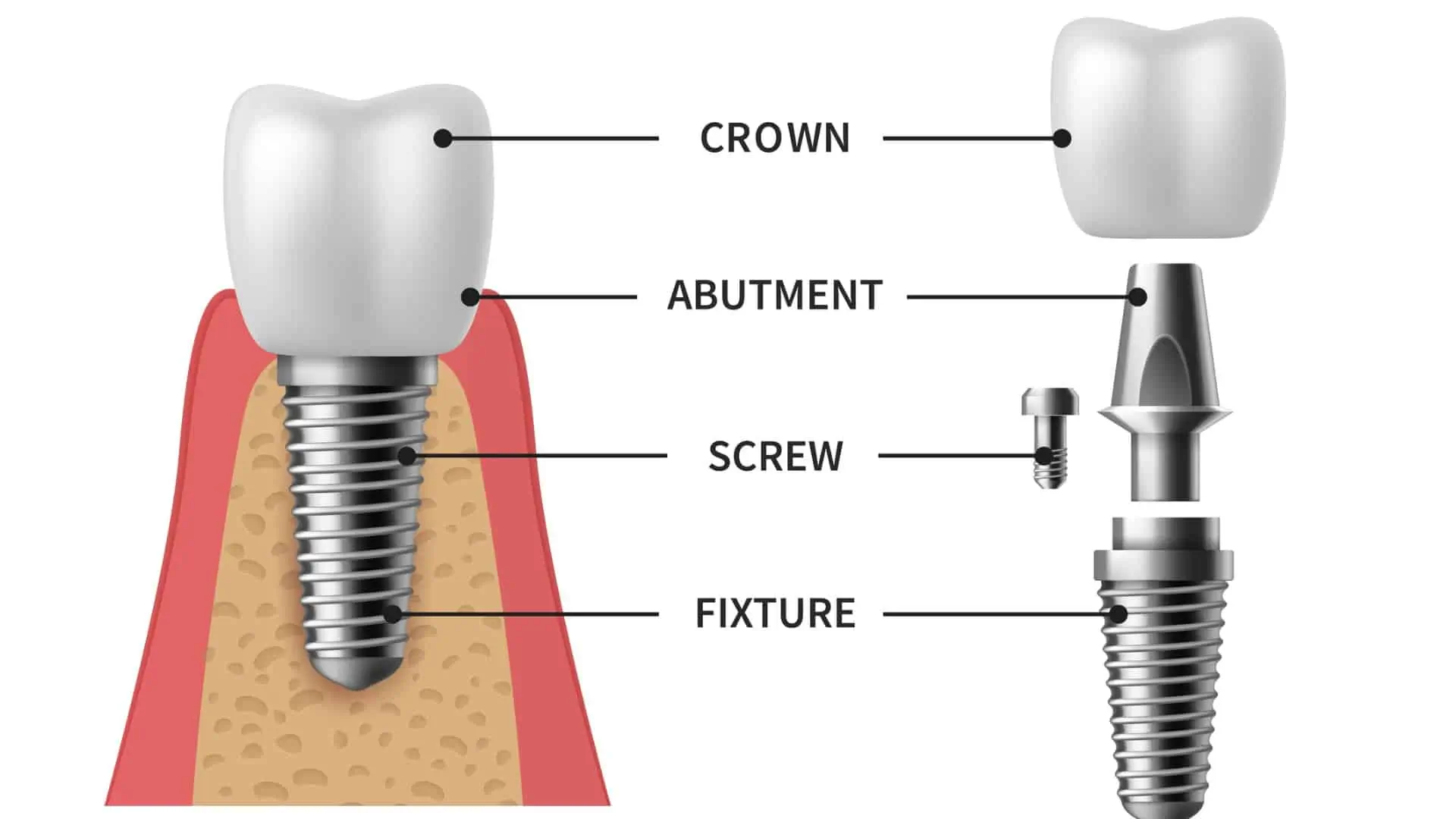
After a dental implant is placed, your body needs time to go through a process called *osseointegration*, where the bone fuses firmly with the implant. This usually takes a few months. During this period, the surrounding gum tissue also needs to settle and strengthen.
Healing depends on several factors: proper oral hygiene, a healthy diet, avoiding smoking, and following your dentist’s instructions. But the environment you live in — including the weather — can play a role in how smooth that journey will be.
---
### Heat and Humidity — Common in Thailand
Thailand’s hot season can mean temperatures above 35°C and humidity that makes you sweat within minutes. This kind of climate has both pros and cons for implant healing:
- **Better circulation**: Warm weather can help blood vessels expand, supporting the delivery of nutrients and oxygen to healing tissues.
- **Risk of bacterial growth**: High humidity can make it easier for bacteria to thrive if oral hygiene isn’t strict. Maintaining a clean mouth is essential to prevent infection.
- **Comfort challenges**: When weather is hot, some people tend to drink sugary iced drinks more often. These can increase the risk of plaque build‑up around the healing site.
If you recently had an implant placed during the hot season, try to keep hydrated with plain water and avoid habits that might encourage bacteria, like leaving food particles between teeth.
---
### Rainy Season — Sudden Changes and Increased Moisture
From May to October, many parts of Thailand experience heavy rains and quick changes in temperature. This can affect how comfortable your mouth feels during recovery.
Some people notice:
- Slight swelling when the weather shifts quickly from hot and sunny to cool and rainy.
- Changes in sinus pressure, especially for implants placed in the upper jaw.
- Increased craving for warm, comfort foods — which is fine as long as they are soft enough and healthy for healing.
During the rainy season, dental appointments might be harder to schedule due to travel delays. Try to plan check‑ups in advance and allow extra time to reach your clinic.
---
### Cooler Breezes and Seasonal Changes
While Thailand doesn’t experience extreme cold, the cooler months from November to February can bring breezy mornings and evenings, especially in northern regions like Chiang Mai
.
Cooler weather generally poses fewer risks for implant healing, but in some cases you might experience:
- Sensitivity in gums or teeth if the body responds to temperature differences.
- Feeling less inclined to drink as much water, which could slightly slow the healing process since hydration is key for circulation.
Whether it’s cool or warm, your oral hygiene habits should remain consistent to protect the implant site.
---
### How Weather Can Indirectly Affect Your Recovery
It’s important to remember that weather itself doesn’t directly damage an implant. Instead, the way weather changes influence your habits and health can make a difference.
For example:
- Hot weather may lead you to consume more cold, sweet drinks — increasing the chance of plaque.
- Rainy days might make you less likely to go for a follow‑up visit, delaying early detection of potential issues.
- Seasonal shifts can affect what you eat, and diet plays a big role in tissue repair.
By being aware of these indirect effects, you can take simple actions to avoid problems no matter what the climate throws at you.
---
### Practical Tips for Implant Care in Changing Weather
1. **Stay Hydrated** — Drink water regularly in any season. Hydration supports healing and helps wash away food particles.
2. **Stick to Soft, Nutritious Foods** — Especially in the first weeks, choose options like steamed fish, boiled vegetables, and soft rice rather than tough or sticky foods.
3. **Maintain Excellent Oral Hygiene** — Brush gently and floss carefully around your implant to prevent infection. Consider using a mouth rinse recommended by your dentist.
4. **Keep Dental Appointments** — Weather may make travelling harder, but check‑ups are vital to monitor healing progress.
5. **Listen to Your Body** — If you feel unusual swelling, pain, or pressure especially related to changes in weather, let your dentist know immediately.
---
### When to Seek Help
No matter the season, you should contact your dentist if you notice:
- Persistent pain or swelling around the implant site.
- Bleeding that doesn’t stop after gentle cleaning.
- Loose feeling in the implant or crown.
Early intervention can prevent minor discomfort from becoming a serious problem.
---
### Final Thoughts
In Thailand’s tropical climate, weather changes are simply part of daily life. While temperature and humidity themselves do not directly harm an implant, they can influence your habits, comfort levels, and overall health — all of which affect healing.
By being mindful of how the season impacts your routines and keeping up with proper oral care, you can ensure that your dental implant heals well, remains strong, and serves you for many years. Whether it’s sunny, raining, or breezy, your commitment to care is what truly makes the difference.
In the end, think of weather as a background factor — something you can’t control, but can adapt to. Keep your focus on healthy habits, listen to your dentist’s advice, and your implant will have the best possible chance to thrive.