What Causes Clicking Sounds Under Implant Crowns
What Causes Clicking Sounds Under Implant Crowns
**What Causes Clicking Sounds Under Implant Crowns**
Dental implants have become a popular and reliable solution for people in Thailand who want to replace missing teeth with something that feels natural, looks beautiful, and lasts for many years. However, it is not uncommon for patients to notice unusual sensations after getting an implant crown. One concern that sometimes comes up is a faint “clicking” sound when chewing or biting. While it may not always be a sign of a serious problem, it’s important to understand why it happens and how to address it before it leads to bigger issues.
---
### Understanding How Implant Crowns Work
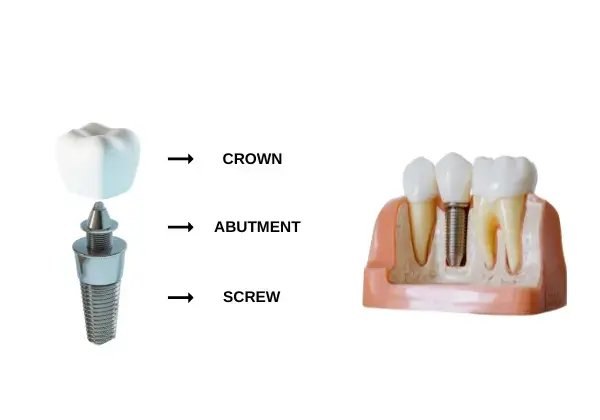
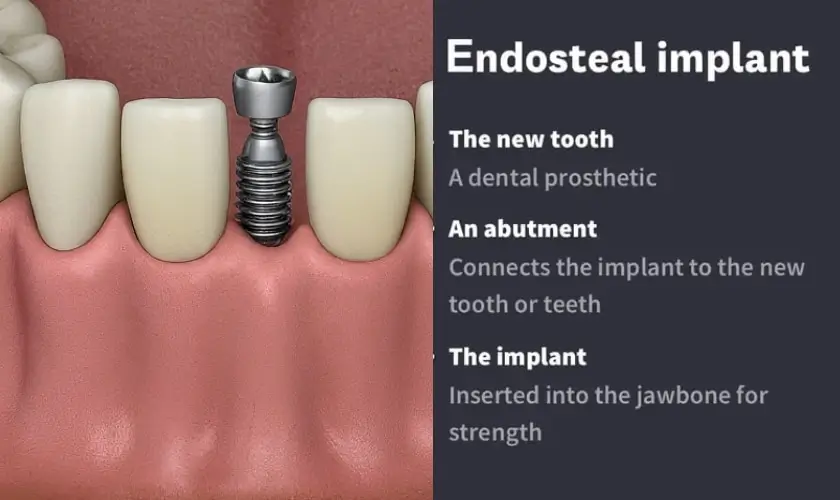
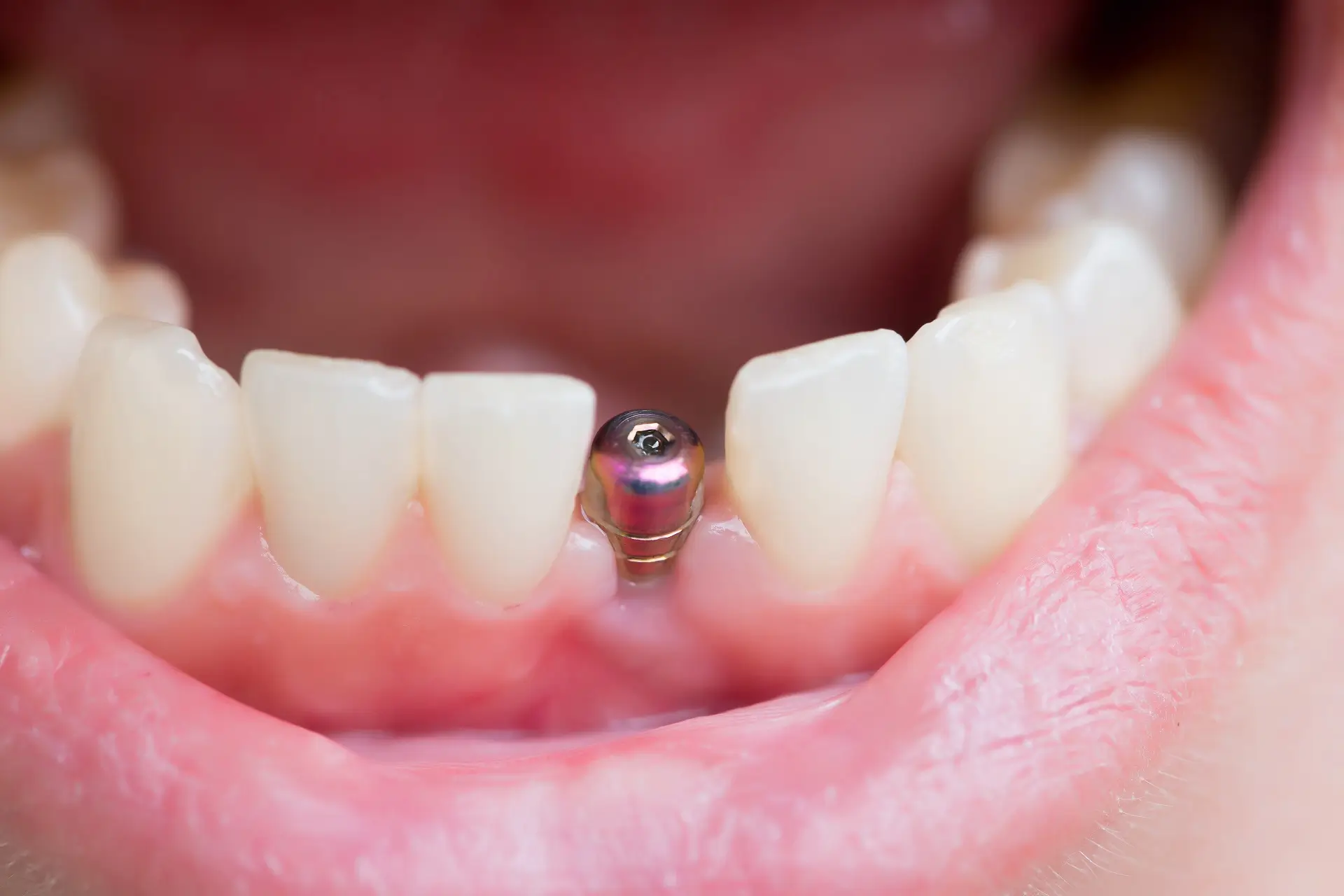
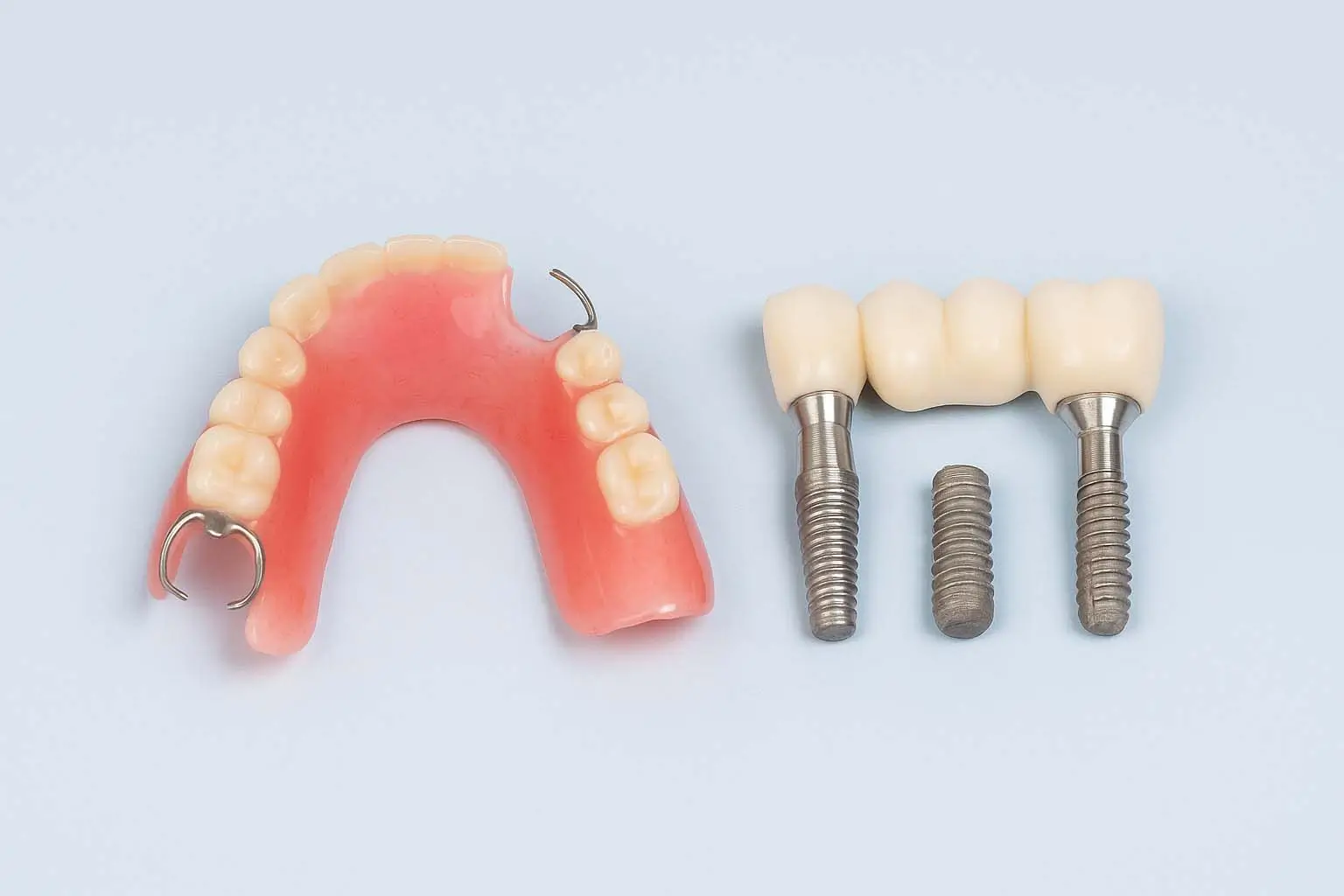
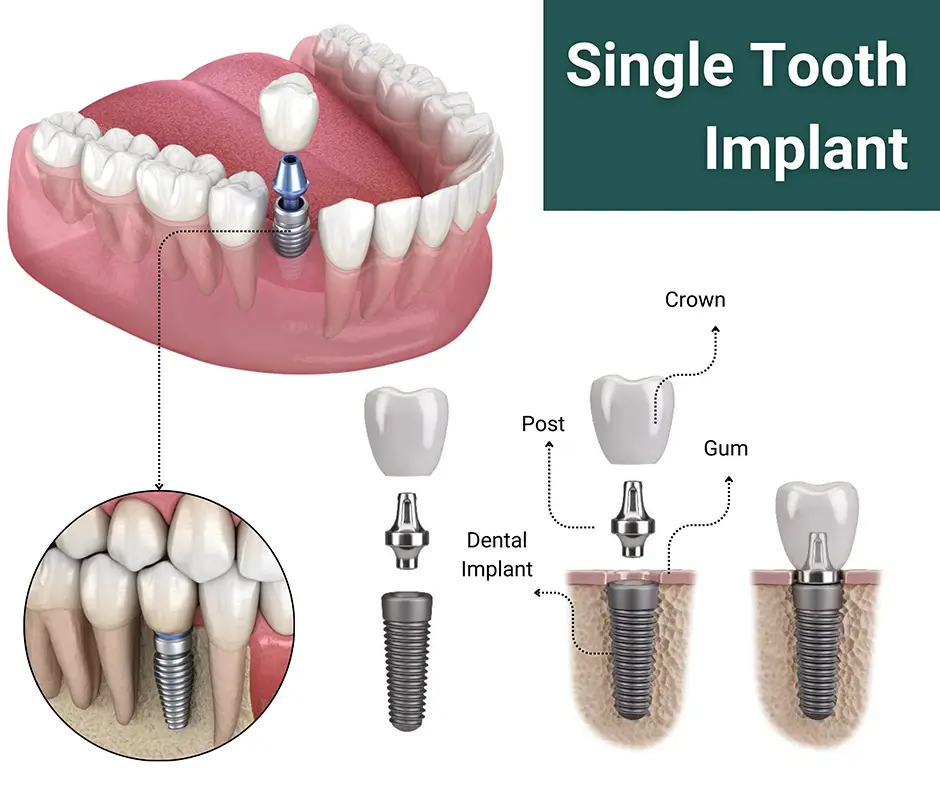
A dental implant is made up of three main parts: the implant post (which is surgically placed into the jawbone), the abutment (which connects the post to the crown), and the crown itself (the visible, tooth-shaped cap). Once the implant has healed and fused with the bone, the crown is attached to the abutment either by screw-retention or cementation.
In normal function, the implant crown should feel solid and stable in your mouth. When you bite down on food, it should behave just like a natural tooth, without unusual movement or sensation. So if you hear or feel a clicking sound under your implant crown, it’s worth investigating the cause.
---
### Common Causes of Clicking Sounds
#### 1. **Loose Implant Crown or Abutment**
One of the most common reasons for a clicking sound is that the implant crown or the abutment screw has loosened. This can happen over time if the crown was not tightened enough during installation, or if regular chewing forces have gradually loosened the screw. In some cases, biting on hard foods such as dried squid or crispy pork crackling—popular snacks in Thailand—can contribute to the problem.
When the crown is loose, even a very small movement can produce a clicking or tapping sound inside your mouth. Ignoring this issue can result in wear on the implant components and even damage to surrounding teeth.
---
#### 2. **Wear and Tear of Implant Components**
Implants are made from durable materials, but they are not immune to wear. The interface between the crown and the abutment can gradually wear down due to years of biting and chewing. This slight gap can cause movement and produce a clicking sound whenever your teeth come together. People who eat sticky rice, fried chicken, or other foods that require strong chewing may notice this sooner.
---
#### 3. **Bone or Gum Changes Around the Implant**
Your jawbone and gums are living tissues, and they can change over time. If you experience bone loss or gum recession around the implant, it can alter the fit and alignment of your crown. These changes may cause the crown to make faint clicking noises during chewing because the forces are no longer evenly distributed.
---
#### 4. **Bite Misalignment**
If your bite pattern changes—possibly due to adjustments in other teeth, new dental work, or even habits like grinding teeth—your implant crown may experience unusual pressure. This misalignment can lead to micro-movements in the crown or surrounding teeth, sometimes creating a clicking sound. Many people in Thailand unknowingly grind t
heir teeth at night, so wearing a night guard is often recommended.
---
#### 5. **Problems with Implant Screw Threads**
Occasionally, the threads in the implant screw system can become damaged or worn, especially if the crown has been removed and reinstalled multiple times. This reduces the stability of the crown, and any small movement might result in an audible click while chewing.
---
### Is a Clicking Sound Dangerous?
A clicking sound under your implant crown is not something to ignore. While it may simply be a minor adjustment issue, it can also signal more serious problems involving the implant’s stability. If left untreated, a loose implant crown can lead to screw fracture, implant failure, or even bone loss. Early detection and professional care are key to preventing complications.
---
### What You Should Do if You Notice Clicking
If you live in Thailand and notice a clicking sensation under an implant crown, here’s what you should do:
1. **Book a Dental Appointment Promptly**
Visit your dentist or implant specialist as soon as possible. They can check the crown’s tightness, examine the screw system, and ensure that the implant itself is stable.
2. **Avoid Chewing Hard or Sticky Foods**
Until the issue is inspected, try to avoid foods like dried nuts, sticky rice desserts, and crispy fried snacks that put extra pressure on the implant.
3. **Monitor Other Symptoms**
Take note if you also experience pain, swelling, changes in bite, or unusual gum appearance. This information can help your dentist diagnose the problem quickly.
4. **Follow Maintenance Advice**
Dental implants require good oral hygiene and periodic professional check-ups. In Thailand, most dentists recommend reviewing implants at least once a year to ensure no mechanical or biological issues.
---
### Preventing Future Clicking Issues
Prevention is always better than treatment. Here are simple steps to keep your implant crown functioning smoothly:
- **Maintain Good Oral Hygiene**: Brush and floss around the implant area daily to prevent inflammation that can compromise the crown’s stability.
- **Attend Regular Check-Ups**: Even if your implant feels fine, dental visits can catch early signs of wear or loosening before you notice them.
- **Wear a Night Guard if Needed**: If you grind your teeth at night, a custom night guard can protect your crown from excessive force.
- **Be Careful with Hard Foods**: Moderation in hard or very chewy foods can extend the lifespan of your implant crown.
---
### Final Thoughts
Clicking sounds under an implant crown can feel strange and even worrying, but most causes are treatable when addressed early. Whether it’s a loose screw, bite misalignment, or minor wear and tear, a skilled dentist in Thailand can correct the issue and restore your implant’s natural function. The key is not to wait—schedule a check-up, take care of your bite, and enjoy your favorite foods with confidence.
A well-maintained dental implant should feel just like a natural tooth. By paying attention to any unusual sounds or sensations, you can make sure your smile stays healthy, comfortable, and strong for many years to come.