What Happens If Infection Starts Around an Implant
What Happens If Infection Starts Around an Implant
**What Happens If Infection Starts Around an Implant**
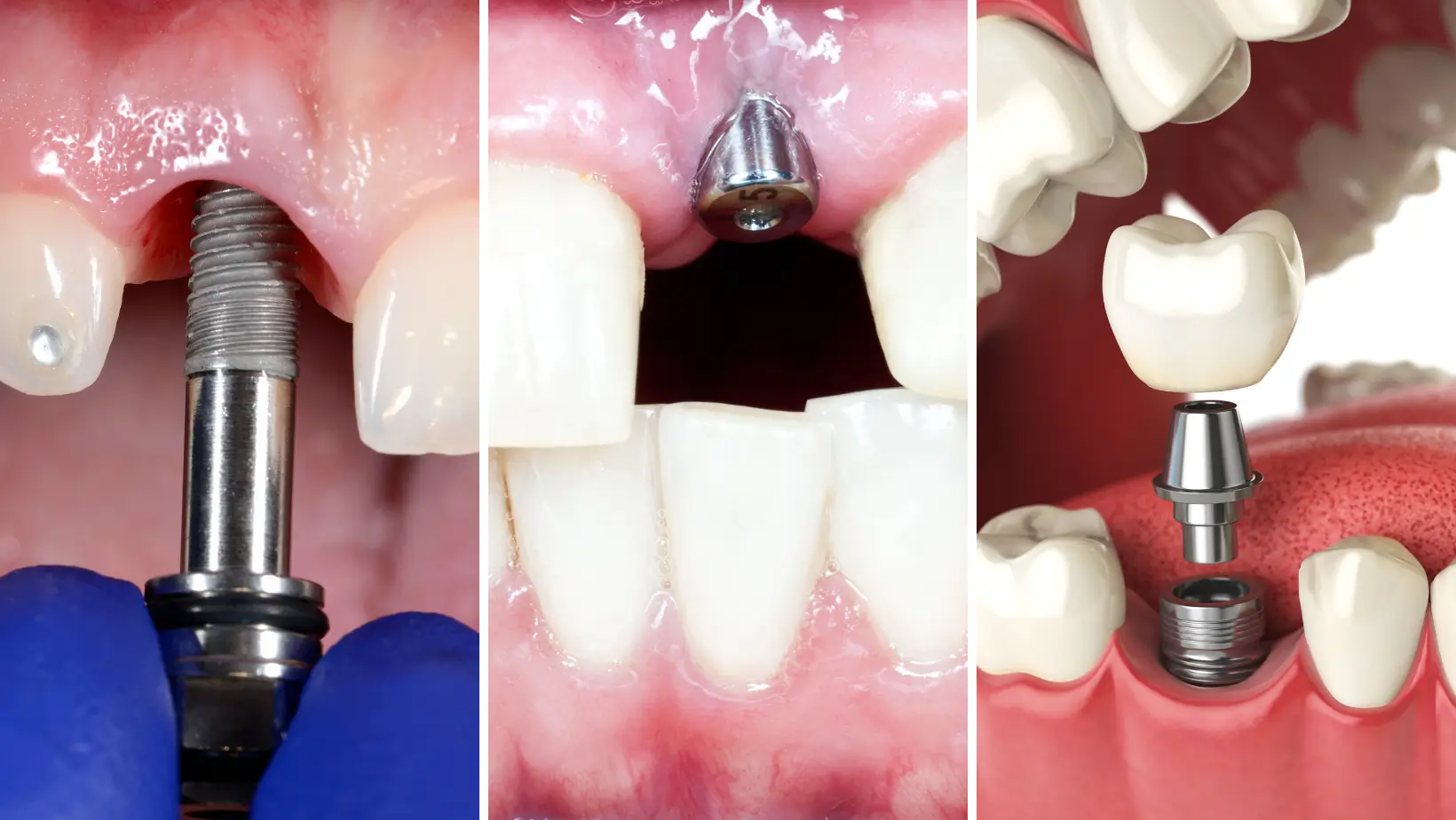
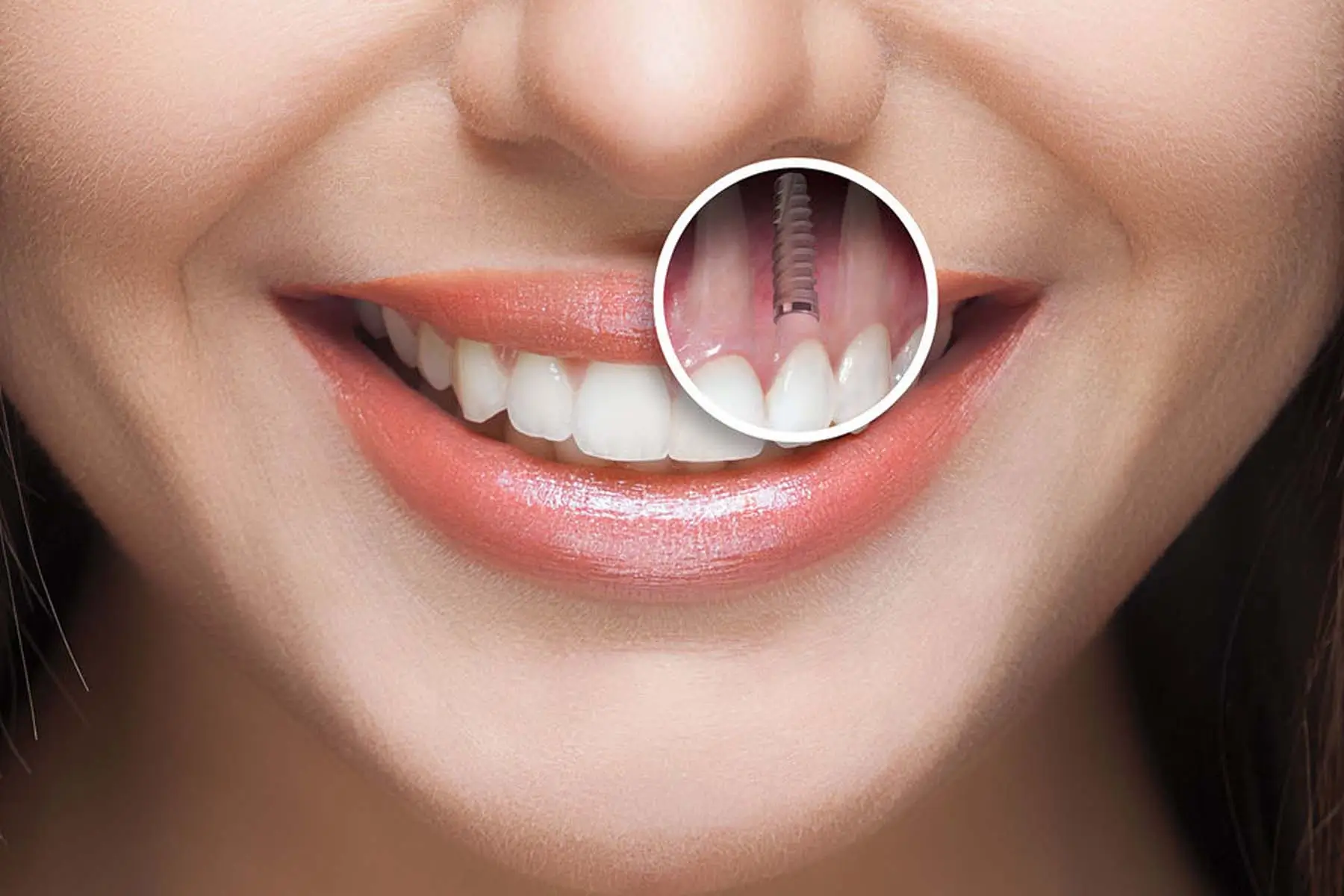
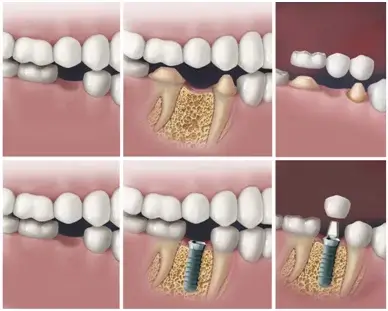
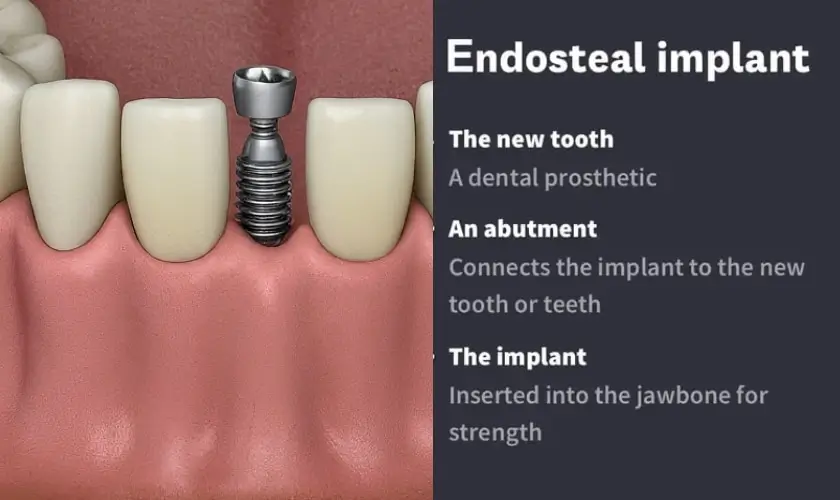
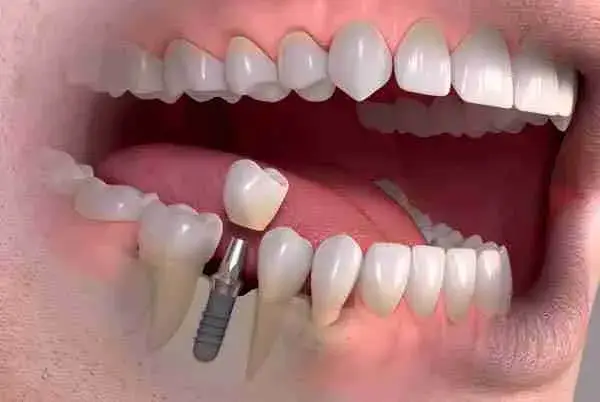
For many people in Thailand, dental implants have become a popular solution for replacing missing teeth. They look natural, feel comfortable, and can last for many years. But just like any other dental treatment, implants require proper care. One issue that can arise is an infection around the implant – something that can cause discomfort and even put the implant at risk. Understanding what happens when infection starts, and how to deal with it early, can make a big difference in long-term results.
### How Infection Around Implants Develops
Infection around an implant often starts with bacteria collecting on the gum line and around the implant surface. This condition is sometimes called *peri-implant mucositis* if it’s only in the soft tissues, or *peri-implantitis* if it affects the bone underneath.
In Thailand’s warm, humid climate, oral bacteria can become active quickly, especially if brushing and flossing are not consistent or proper. Food particles left between teeth and implants can lead to plaque build‑up, and once germs settle in, the gum tissue can become inflamed.
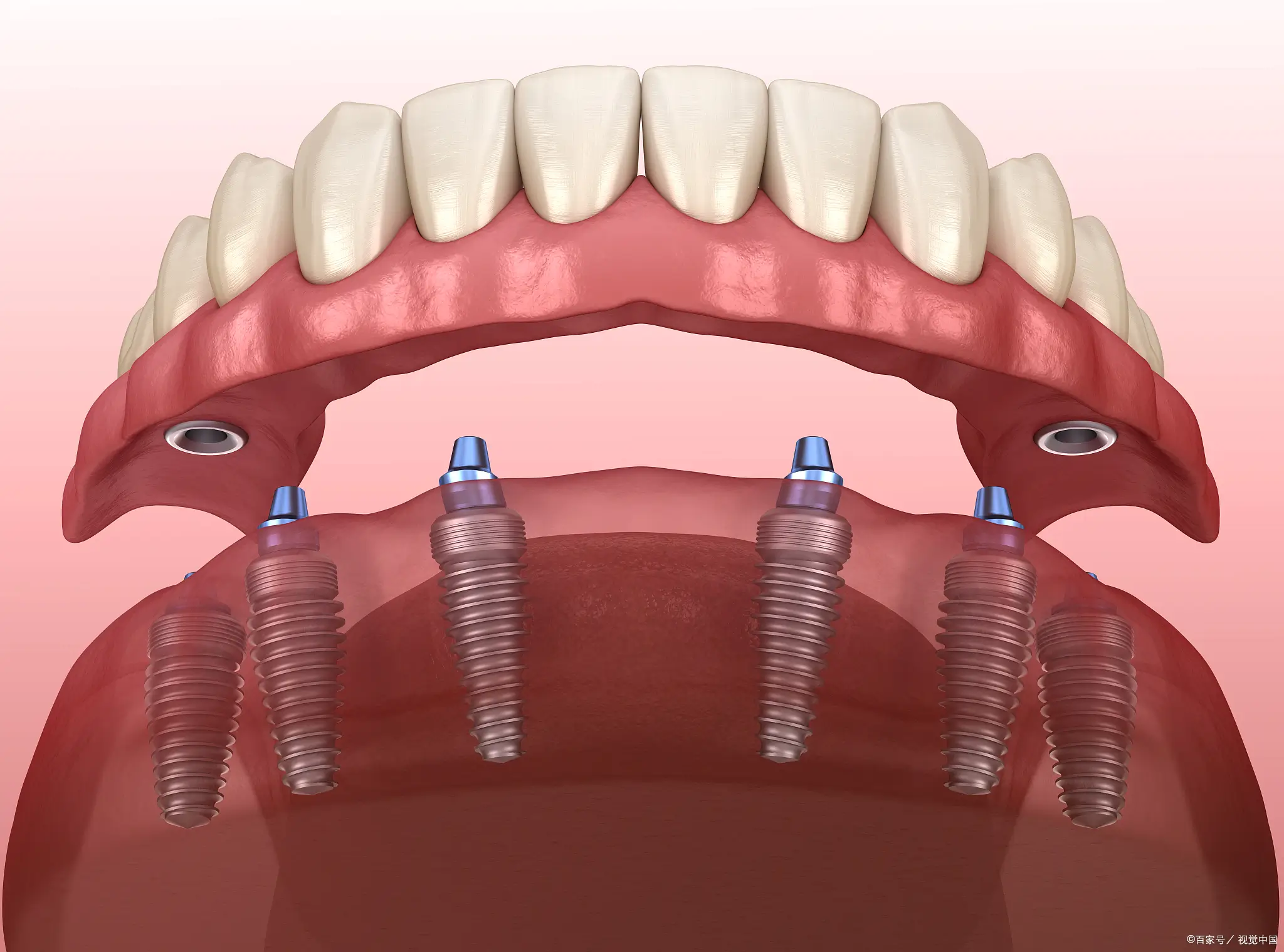
Another common factor is improper fit or bite adjustment after implant placement. If the crown or bridge attached to the implant puts too much pressure on the surrounding gums or bone, inflammation can develop over time. Smokers in Thailand also have a higher risk because nicotine affects blood flow and healing.
### Early Signs You Shouldn’t Ignore
When infection starts around an implant, small signs often appear before things get serious. People sometimes mistake these signs for mild irritation, so they ignore them. Some early symptoms include:
- **Red or swollen gums** near the implant
- **Tenderness** when brushing or eating
- **Light bleeding** when touching the gum area
- **Bad breath or an unpleasant taste** in the mouth
These may seem minor, but in reality, they are the body’s way of telling you that something is wrong. If the infection spreads deeper, the bone holding the implant in place can begin to break down, leading to implant loosening or failure.
### What Happens If Infection Is Not Treated
If the infection is only in the gum tissue and you treat it early, the implant can often be saved without much trouble. But if you wait too long, the bacteria can destroy the bone structure. This is called *peri-implantitis*.
Here’s what could happen step by step:
1. **Inflammation becomes constant** – The gums stay swollen, and brushing doesn’t solve the redness or bleeding.
2. **Bone loss starts** – X-rays may show reduced bone height around the implant.
3. **Implant becomes unstable** – As bone loss increases, the implant may feel loose or uncomfortable.
4. **Complete failure** – In severe cases, the implant must be removed because it can no longer function properly.
In Thailand, many patients feel reluctant to visit the dentist because they fear high costs, but leaving infection untreated can lead
to higher expenses in the future. Sometimes bone grafting or a new implant may be required, which is usually more costly than early corrective treatment.
### How Dentists in Thailand Treat Implant Infections
Dental clinics in Bangkok, Chiang Mai, Phuket, and other cities follow similar treatment steps for implant-related infections. The action depends on how severe the problem is:
- **Professional cleaning** – Dentists remove plaque and bacteria from around the implant.
- **Antibiotics** – For bacterial control, medication may be prescribed.
- **Laser therapy or ultrasonic cleaning** – Some modern clinics in Thailand use these methods for deep cleaning without damaging healthy tissue.
- **Surgical intervention** – In advanced cases, the dentist may need to open the gum, clean the area thoroughly, and regenerate lost bone using graft materials.
Your dentist will also check for bite problems and adjust your implant crown if needed.
### Prevention Is Always Better Than Cure
Preventing infection around an implant is mainly about good oral hygiene and regular dental check-ups. Keep these points in mind:
1. **Brush twice a day** – Use a toothbrush with soft bristles to avoid damaging the gums.
2. **Floss or use interdental brushes** – These special tools clean the gaps between implants and natural teeth.
3. **Avoid excessive sugar** – In Thailand, we love sweet drinks like Thai iced tea and desserts, but too much sugar supports bacterial growth.
4. **Quit smoking** – Smoking slows healing and increases the chance of infection.
5. **Visit your dentist every 6 months** – Regular check-ups allow dentists to spot infection before it becomes serious.
### Living Comfortably With Your Implant
Having an implant doesn’t mean high-maintenance or daily stress – it simply requires a mindful approach to oral care. Most implants in Thailand function well for 10–20 years if cared for properly. The key is to protect your gums and bone by staying consistent with hygiene habits and not ignoring any signs of trouble.
If you feel swelling, bleeding, or discomfort around your implant, don’t delay seeking professional advice. Thai dentists are experienced in managing implant-related infections, and treatment options are available at various price ranges. Early action often means keeping your implant intact without complicated procedures.
### Final Thoughts
An infection around a dental implant may start small, but it can grow into a serious problem if left untreated. In Thailand, where dental tourism and implant procedures are common, knowing the signs of infection is crucial for both local patients and visitors.
Healthy gums mean a strong foundation for your implant. By following good hygiene practices, limiting sugary snacks, and visiting the dentist regularly, you can enjoy the benefits of your implant for many years to come. Taking care of your oral health is not just about maintaining a beautiful smile – it’s an investment in your overall well-being.