How to Prevent Food Getting Stuck Around Implants
How to Prevent Food Getting Stuck Around Implants
**How to Prevent Food Getting Stuck Around Implants**
Dental implants are becoming more and more popular in Thailand because they look natural, feel strong, and help restore your smile. Whether you enjoy som tam, grilled seafood, or sticky rice, implants can give you the confidence to eat comfortably again. However, one concern many people face after getting implants is food getting stuck around them. This can be annoying and, if left uncleaned, can lead to gum problems or bad breath. The good news is that with the right habits and tools, it’s easy to prevent this issue.
### Understanding Why Food Gets Stuck Around Implants
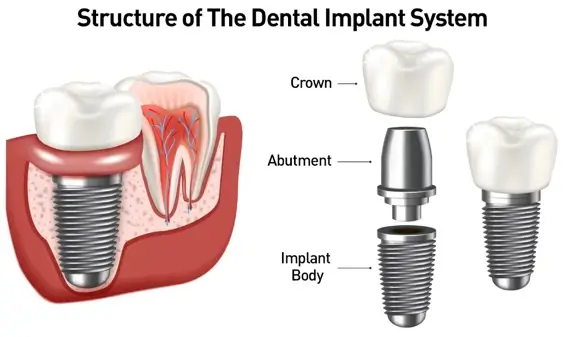
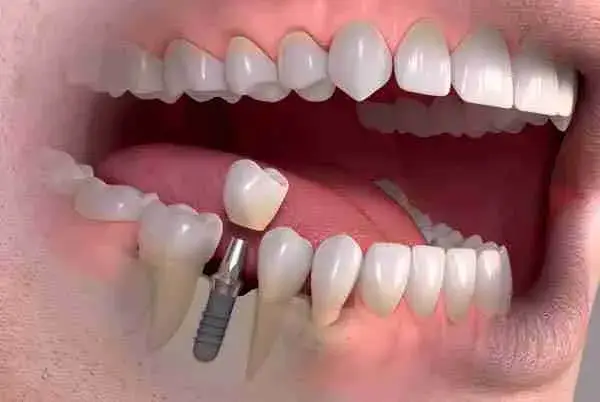
Unlike natural teeth, implants are supported by artificial roots placed in the jawbone. While they are very secure, the way they connect to the gum tissue can sometimes allow small gaps where bits of food may lodge, especially if the implant crown shape or gum contour is slightly different from your original teeth. Sticky or fibrous foods common in Thai cuisine, like dried squid, pork floss, or certain herbs, can cling more to implants than to natural teeth. It’s perfectly normal, but proper care is essential to keep them clean and healthy.
### Choose the Right Foods – Especially Right After Getting Implants
During the first few weeks after surgery, your dentist will usually recommend softer foods to allow the implant site to heal. In Thailand, many people choose soft-boiled rice, boiled vegetables, or smooth curries. Avoid seeds, sticky rice, and overly chewy meat until your dentist says it’s safe. Even after full healing, be mindful when eating fibrous foods — chew slowly, and rinse or drink water afterward to reduce the chance of particles lingering around the implant.
### Develop Daily Cleaning Habits
Good oral hygiene is the number one way to prevent food trapping. Here are some simple but effective steps:
1. **Brush Twice a Day**
Use a soft-bristled toothbrush and fluoride toothpaste. Angle the brush slightly toward the gum line of your implant crown, making gentle circular movements. This technique helps remove food particles and plaque without irritating the gums.
2. **Floss Carefully Around Implants**
Many people in Thailand find flossing around implants tricky. Consider using floss specifically designed for dental work, like implant floss or super floss. Slide it gently between the implant and the gum, and guide it around the base to clean where your toothbrush can’t reach.
3. **Use an Interdental Brush**
This small brush can reach spaces between teeth and implants better than ordinary floss. Choose a size recommended by your dentist to avoid damaging the gum tissue.
4. **Rinse with Antibacterial Mouth
wash**
Especially after meals, mouthwash helps wash away leftover food particles and keeps bacteria levels low. In warm weather, a refreshing rinse can also leave your mouth feeling clean.
### Drink Plenty of Water
Thailand’s hot climate makes hydration important not only for your body but also for your mouth. Drinking water during and after meals helps flush away bits of food from around your implants. If you’re enjoying street food, carrying a small water bottle can be a practical way to rinse on the go.
### Schedule Regular Dental Check-ups
Even if your implants feel fine, routine check-ups — usually every six months — allow your dentist to monitor the health of both the implants and surrounding gums. Professional cleaning can remove plaque and tartar buildup that home care might miss.
### Adopt a Mindful Eating Style
How you chew matters. Cut larger pieces of meat or vegetables into smaller bites, and chew evenly on both sides of your mouth. This reduces the load on any single implant and helps avoid food packing into one area.
### Avoid Habits That Can Damage Implants
Biting ice cubes, cracking crab shells, or using your teeth to open packages — these habits can cause micro-damage to both implants and natural teeth. Damaged surfaces tend to trap food more easily. Being mindful saves trouble later.
### Consider Using a Water Flosser
A water flosser is a device that sprays a gentle jet of water between teeth and around the gums. In Thailand, these are becoming popular because they make cleaning after sticky foods much easier. Many people use them after eating sweet desserts like mango sticky rice, as the water flow can wash away residue more effectively than brushing alone.
### Pay Attention to Gum Health
Healthy gums fit snugly around your implants, making it harder for food to become trapped. If you notice swelling, bleeding, or discomfort around your implant, see your dentist promptly. Early treatment prevents more serious problems and helps maintain a tight gum seal.
### Final Thoughts
Living with dental implants in Thailand means you can enjoy your favourite local dishes without fear — as long as you care for them properly. Food getting stuck is a common experience, but with good hygiene, mindful eating, and regular dental visits, it doesn’t have to affect your comfort or confidence. Think of implant care as part of enjoying your daily meals: a quick brush, a clean rinse, and a healthy smile ready for the next delicious bite.
Your implants are an investment in your health and happiness. Treat them well, and they will serve you for many years — letting you keep smiling through every plate of tom yum, pad krapao, and beyond.