Do Implants Trigger Metal Allergies – What Doctors Say
Do Implants Trigger Metal Allergies – What Doctors Say
**Do Implants Trigger Metal Allergies – What Doctors Say**
When people in Thailand consider getting dental implants, joint replacements, or cosmetic implants, one of the questions that often comes up is whether these foreign materials can trigger metal allergies. In recent years, awareness of allergic reactions has grown, and more patients are asking their doctors for clear answers before proceeding with any surgical procedure. Let’s explore what the experts have to say, how common the problem really is, and what you can do to keep yourself safe.
---
### Understanding Metal Allergies
Metal allergies happen when the body’s immune system reacts to certain metals, causing symptoms like redness, swelling, itching, or even pain. In most cases, these allergies are linked to nickel, cobalt, or chromium—metals found in everyday items like jewellery, watches, and even some electronic devices.
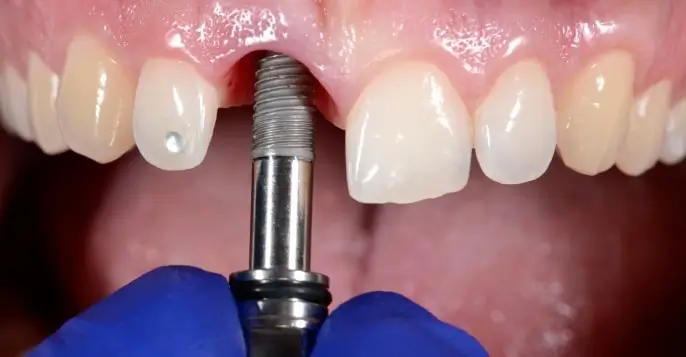
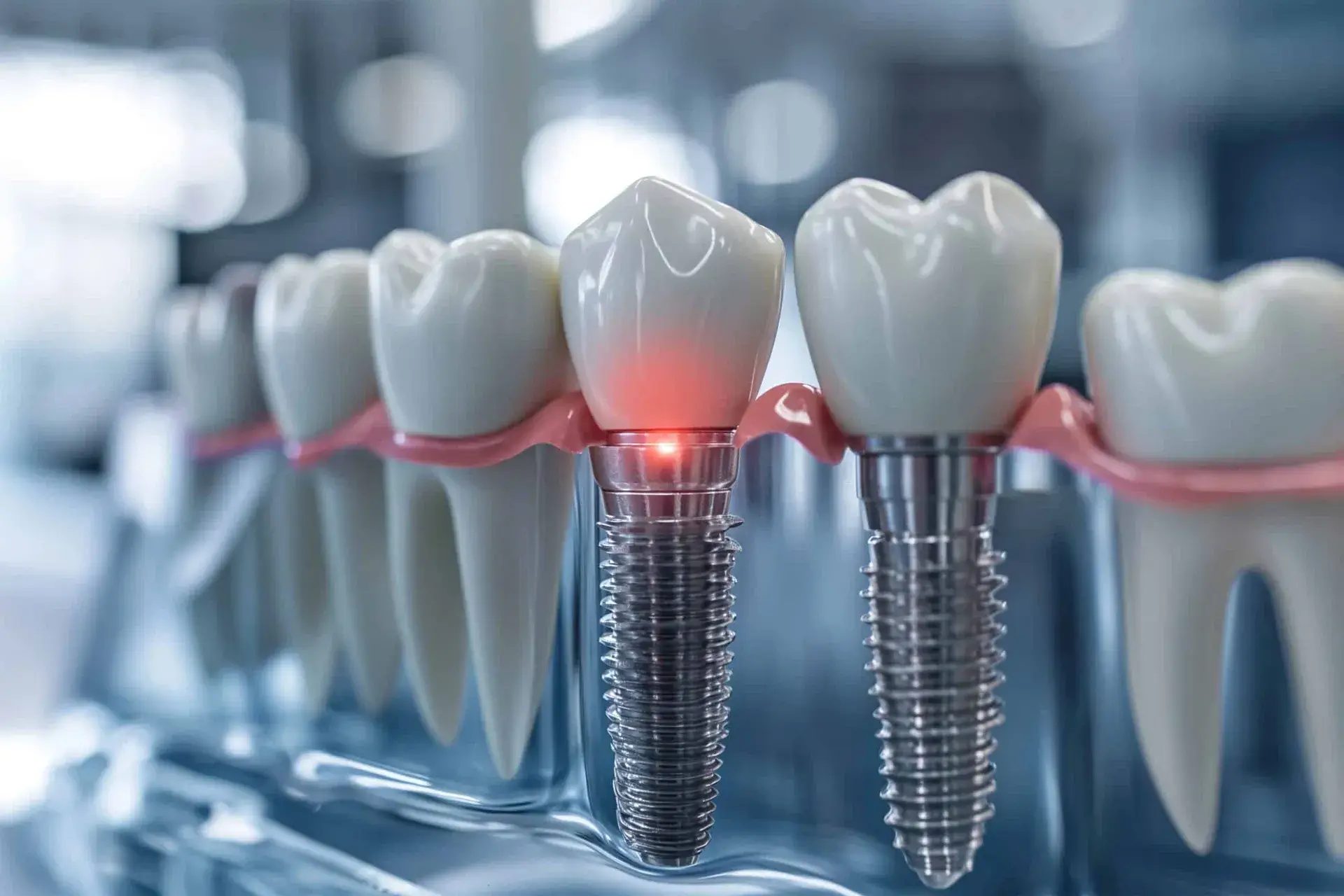
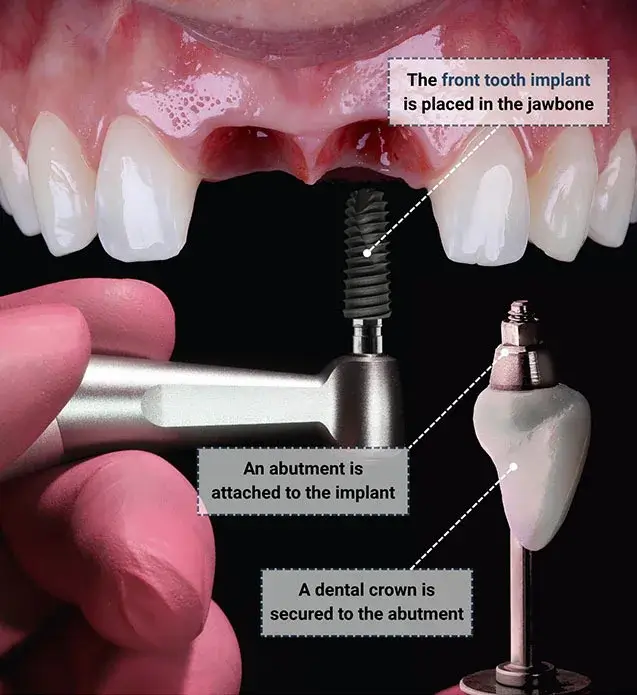
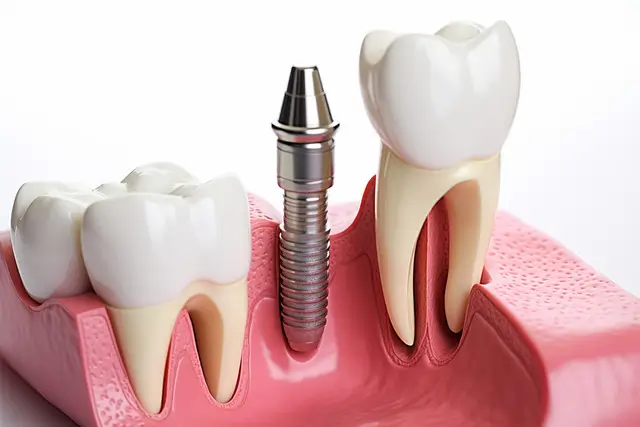
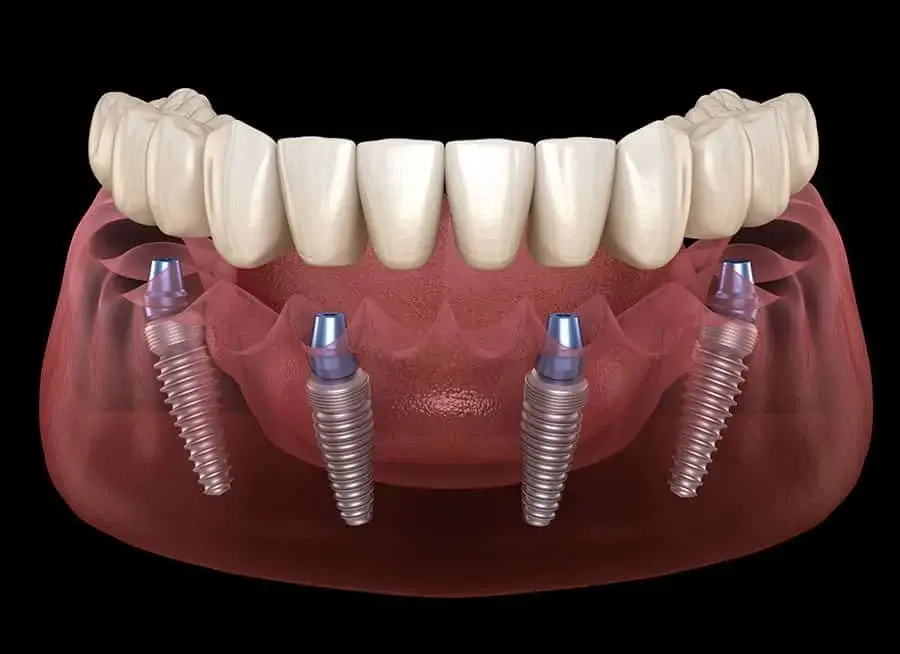
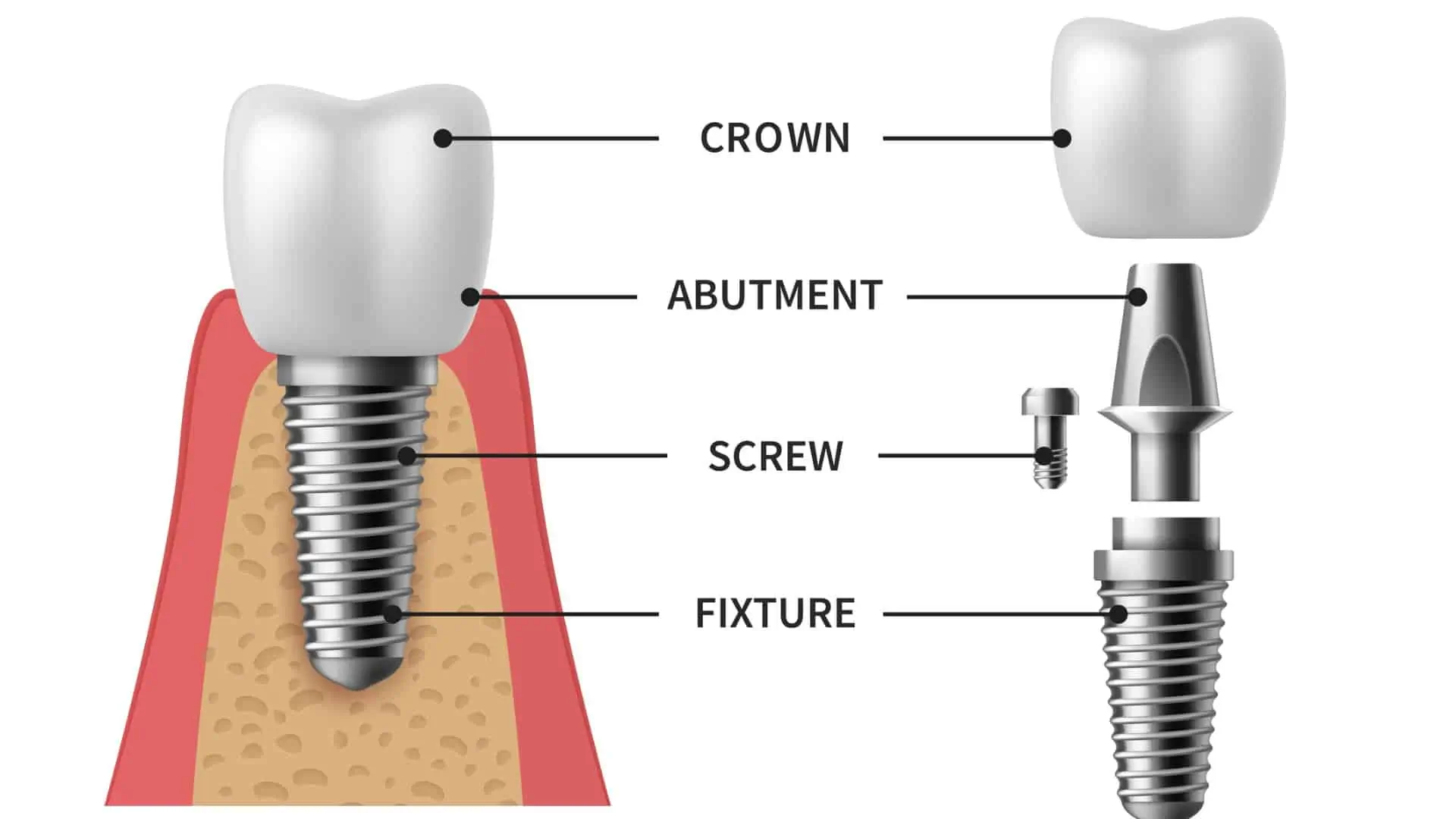
In the context of implants, the concern is whether metals used in medical-grade devices could cause similar problems. Surgical implants can be made from titanium, stainless steel, or alloys containing small amounts of other metals. While titanium has a reputation for being “biocompatible” and is used widely around the world, no material is completely risk-free if someone has a strong allergy.
---
### What Doctors in Thailand Say
Thailand’s medical community is well aware of these concerns, especially in hospitals and specialised clinics in Bangkok, Chiang Mai, and Phuket, which see a mix of local and international patients. Orthopaedic surgeons, dentists, and plastic surgeons explain that true allergic reactions to titanium implants are very rare. In fact, research published in several international medical journals suggests that less than 1% of patients show signs of clinically significant metal allergy after receiving a titanium implant.
Dr. Nattapong, an experienced dental surgeon in Bangkok, recently shared that most patients who fear implant-related allergies are actually reacting to other factors, such as poor post-operative hygiene or an unrelated skin condition. He added, “We always check patient history carefully before surgery. If someone already knows they have sensitivity to certain metals, we can run a patch test or refer them to an allergist for confirmation.”
---
### How Implant Materials Are Chosen
In Thailand, hospitals generally follow international standards when choosing materials for implants. Titanium is favoured for dental, bone, and joint implants because it integrates well with bone tissue, resists corrosion, and has a low allergenic profile. Stainless steel is still used for certain temporary implants or rods, but it contains nickel, which can be a problem for patients with proven nickel allergies.
Before surgery, reputable hospitals often perform a thorough consultation. This process includes reviewing your medical history, discussing any known allergies, and explaining the risks of different materials. In some cases, doctors may recommend a hypersensitivity test before proceeding, particularly wh
en the patient has a history of skin rashes from jewellery or metal watch straps.
---
### Symptoms to Watch Out For
If an implant-related allergy develops, the signs may appear within weeks or even months after the procedure. Common warning symptoms include:
- Local swelling or redness around the surgical site
- Persistent itching or burning sensations
- Pain that doesn’t respond to normal healing timelines
- Unexplained skin irritation near the implant area
It’s important to note that these symptoms can also be caused by infection or mechanical irritation, not just allergies. That’s why seeing a specialist quickly is the safest option. Early evaluation can help doctors determine whether the problem is allergic, structural, or related to post-operative care.
---
### Prevention Is Better Than Cure
Health experts in Thailand often emphasise that prevention starts with communication. Here are steps you can take:
1. **Disclose All Allergies** – Even if you think your nickel allergy is minor, tell your doctor.
2. **Ask About Testing** – A metal allergy patch test can identify sensitivities before surgery.
3. **Request Material Details** – Don’t be shy about asking what your implant will be made from.
4. **Maintain Follow-Up Visits** – Regular check-ups help monitor healing and catch early signs of problems.
By being proactive, you give yourself and your doctor the best chance to prevent unpleasant surprises.
---
### The Bigger Picture
Medical tourism is booming in Thailand, with thousands of patients from overseas visiting for affordable, high-quality surgery. As a result, Thai doctors are accustomed to catering for patients who have concerns about implant reactions. Clinics often provide written documentation of implant materials and encourage patients to keep them for future reference—useful if you move, change doctors, or need another procedure later.
Overall, experts agree that while metal allergies exist, the risk from modern implants is extremely low when procedures are performed by qualified surgeons using standard materials like titanium. Problems tend to be more common when implants are done in facilities that cut corners on quality control or don’t properly screen patients before surgery.
---
### Final Thoughts
If you are considering an implant in Thailand—whether dental, orthopaedic, or cosmetic—it’s worth having an open discussion with your doctor about allergies. Most people can proceed without worry, but those with known sensitivities should take extra care to get tested and understand the materials being used.
Remember, an implant is designed to last many years inside your body. Choosing a trusted hospital, providing complete medical history, and following post-surgery instructions are the keys to avoiding complications.
The good news from doctors is clear: titanium and other medical-grade materials used in Thai hospitals are generally safe and well tolerated. With the right precautions, your implant journey can be smooth, successful, and free of allergic surprises.