Is It Normal to Taste Blood After Implant Surgery
Is It Normal to Taste Blood After Implant Surgery
**Is It Normal to Taste Blood After Implant Surgery?**
If you’ve recently had dental implant surgery, it’s quite common to notice a slight metallic taste in your mouth or even a mild trace of blood during the first few hours or days. For many people in Thailand, where dental tourism is becoming more popular, this experience can feel worrying if you’re not sure what’s normal. Let’s talk in detail about why this happens, when it’s considered normal, and when you should seek help from your dentist.
---
### Understanding Dental Implant Surgery
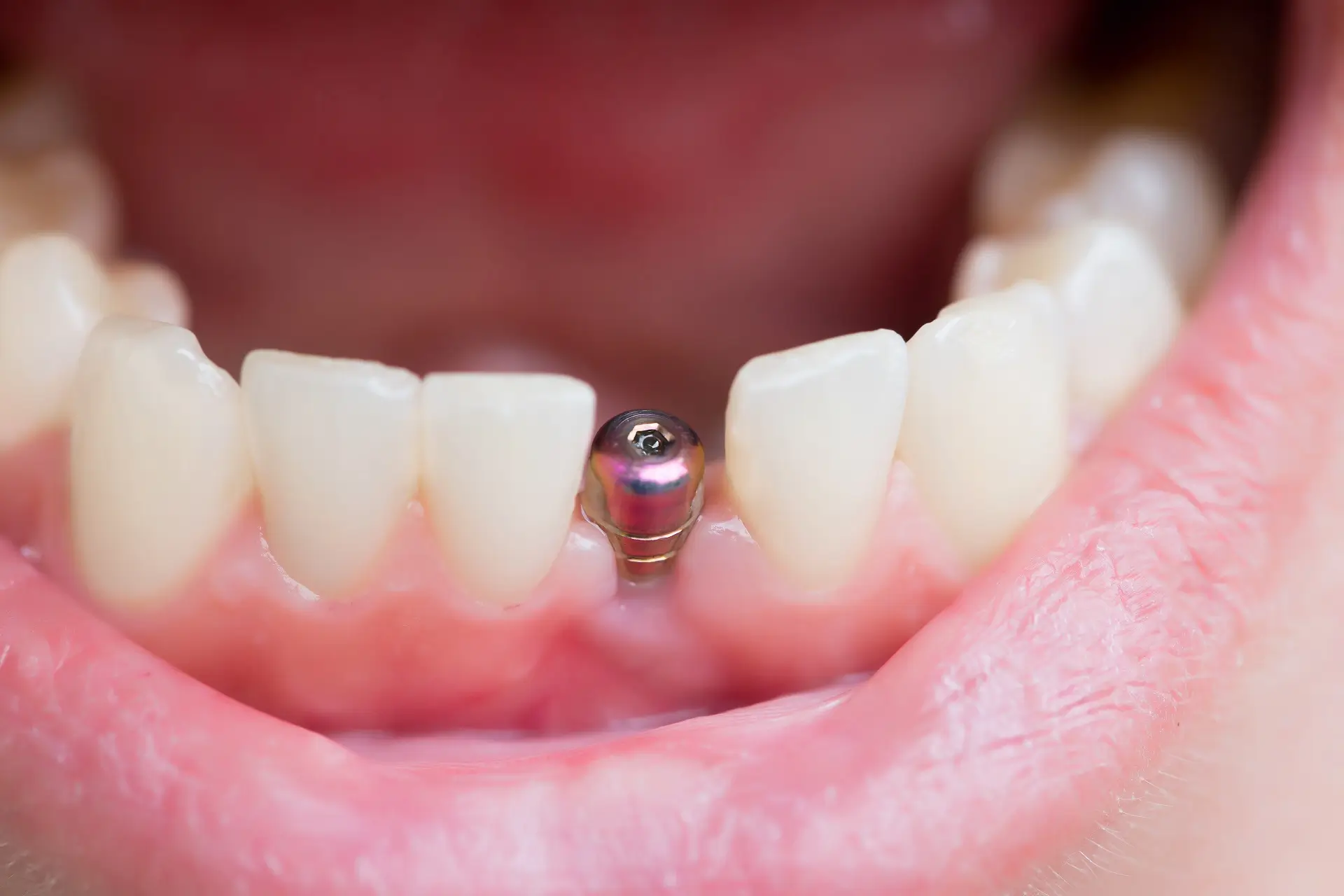
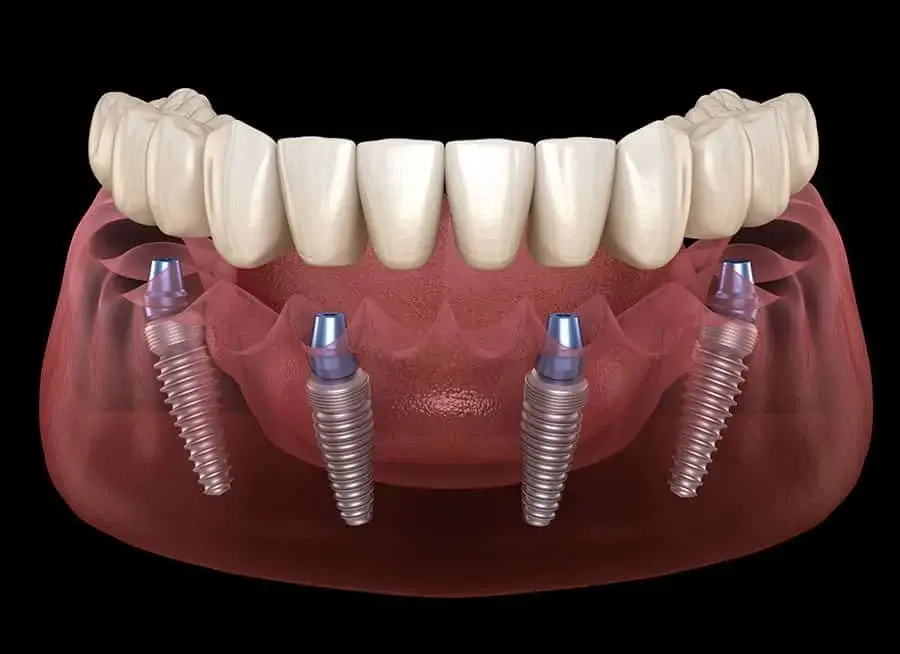
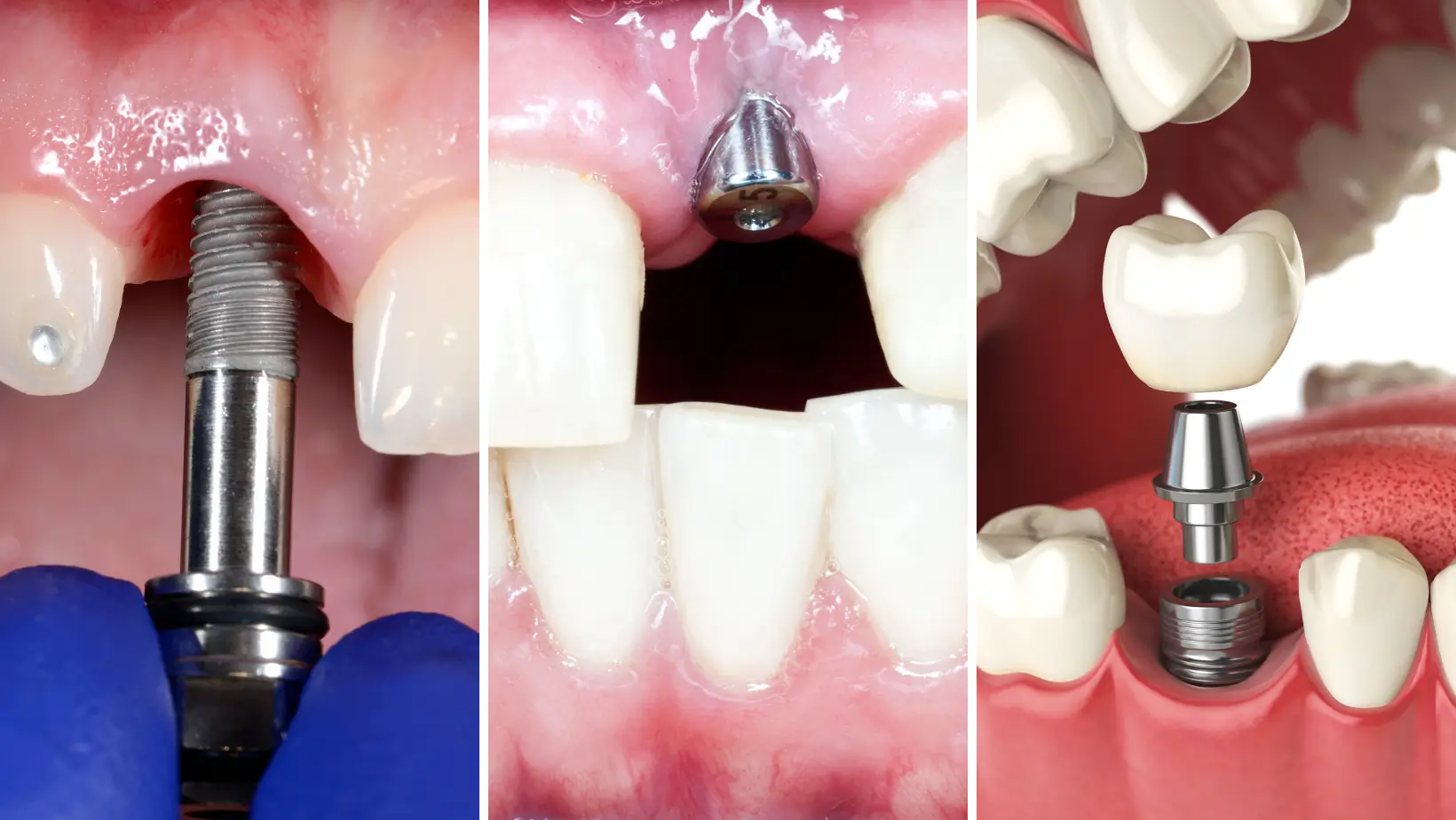
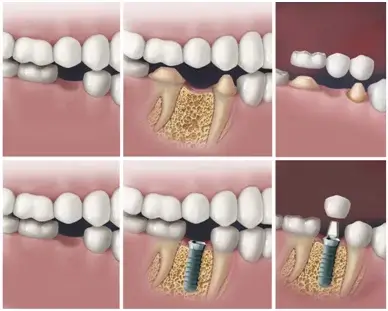
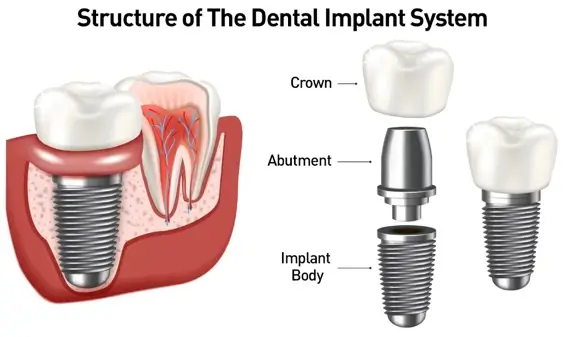
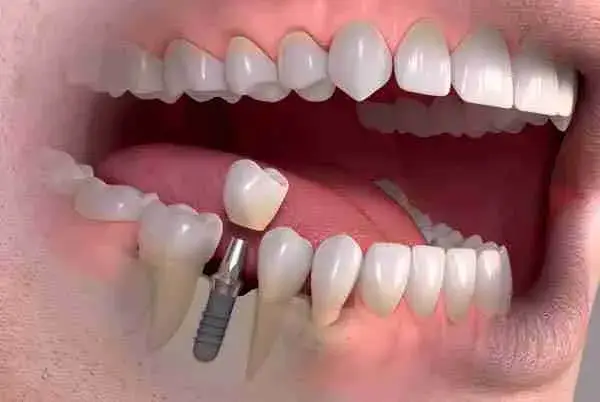
Dental implant surgery involves placing a small titanium post into the jawbone to act as an artificial tooth root. The procedure is usually done under local anaesthesia, and while modern techniques make recovery easier, it is still a minor surgical operation. Because it involves cutting through gum tissue, some bleeding is expected immediately after the surgery.
In Thailand, most well-established dental clinics will give you specific post-surgery instructions, such as biting gently on sterile gauze and avoiding spitting or rinsing too forcefully in the first 24 hours to allow the blood to clot properly. Despite these precautions, you may still notice some residual bleeding, which can cause a blood-like taste in the mouth.
---
### Why You Might Taste Blood
After implant surgery, tasting blood is mostly due to small amounts of blood mixing with your saliva. Some of the most common reasons include:
1. **Post-surgical bleeding**: Minor bleeding can occur during the first 24–48 hours as the gums start to heal.
2. **Disturbed blood clot**: If you keep touching the implant area with your tongue or eat hard foods too soon, you might disturb the clot, leading to slight bleeding.
3. **Inflammation in the gums**: Mild swelling and inflammation may cause extra sensitivity and bleeding when brushing your teeth.
4. **Metallic taste from blood**: Blood naturally has a metallic taste because of iron in haemoglobin, so even very small amounts can be noticeable.
---
### How Long Is It Normal?
For most patients, a light taste of blood is normal for the first day or two. In some cases, small traces may persist for up to three days if the surgical site is still adjusting. As long as the bleeding is minimal and doesn’t suddenly get worse, it’s generally not a sign of alarm.
In Thailand, dentists often recommend following a soft-food diet during the first few days post-surgery to reduce chewing pressure on the gums. This can help prevent reopening the wound and speed up healing.
---
### When to Be Concerned
While mild bleeding and the taste of blood can be part of the normal healing process, certain signs may indicate a problem that requires immediate dental attention:
- Bleeding that continues beyond 48 hours and does not slow down
- Sudden heavy bleeding after it had already stopped
- Severe sw
elling, redness, or warmth around the implant site
- Unpleasant odour or pus, which may suggest infection
- Persistent metallic taste lasting more than a week
If you’re in Thailand and experience any of these symptoms, contact your dental clinic right away. Many clinics here offer emergency appointments or consultations via phone or messaging apps like LINE, making it easy to get advice promptly.
---
### How to Reduce the Taste of Blood
There are simple things you can do to make recovery more comfortable and minimise the metallic taste in your mouth:
1. **Follow your dentist’s aftercare instructions** strictly.
2. **Avoid vigorous rinsing** in the first 24 hours, as this can wash away the clot.
3. **Keep your head elevated** when resting to reduce bleeding.
4. **Stay on soft foods** such as porridge, yoghurt, and steamed fish until your dentist advises otherwise.
5. **Maintain oral hygiene with care** — use a soft-bristled toothbrush and avoid direct scrubbing of the surgical area in the first few days.
6. **Drink adequate water** to help wash away any residue in your mouth, but sip gently.
---
### Cultural Perspective in Thailand
In Thailand, people often turn to herbal remedies or warm saltwater rinses to support oral healing. While saltwater rinsing can indeed help prevent infection, it should only be started after your dentist confirms it’s safe, usually 24 hours post-surgery. Traditional Thai herbal mouthwashes may be soothing, but make sure they’re approved by your dentist to avoid irritation to the surgical site.
Many Thais also believe in balancing “cool” and “warm” foods during recovery. In practice, this can mean avoiding spicy, hot, or extremely cold foods right after surgery, as these could cause discomfort or affect healing.
---
### Final Thoughts
Tasting a small amount of blood after dental implant surgery is generally normal and part of the body’s healing process. It’s important not to panic and instead focus on gentle care, good hygiene, and following your dentist’s instructions closely. However, if the bleeding is heavy, prolonged, or accompanied by other worrying symptoms, it’s always best to seek professional advice quickly.
Thailand’s dental industry is known for its skilled practitioners and advanced equipment, so chances are your dentist will be ready to guide you through recovery smoothly. By staying informed, taking care of your mouth, and recognising what’s normal versus what’s a warning sign, you can ensure your dental implant heals well and serves you for many years to come.
---
**Key takeaway:** A slight taste of blood is common in the first few days after implant surgery, but pay attention to unusual or prolonged bleeding and contact your dentist if anything seems off. Gentle self-care and following post-op instructions are the best ways to encourage fast and problem-free healing.