Foods You Should Avoid for 1 Month After Implant Surgery
Foods You Should Avoid for 1 Month After Implant Surgery
**Foods You Should Avoid for 1 Month After Implant Surgery**
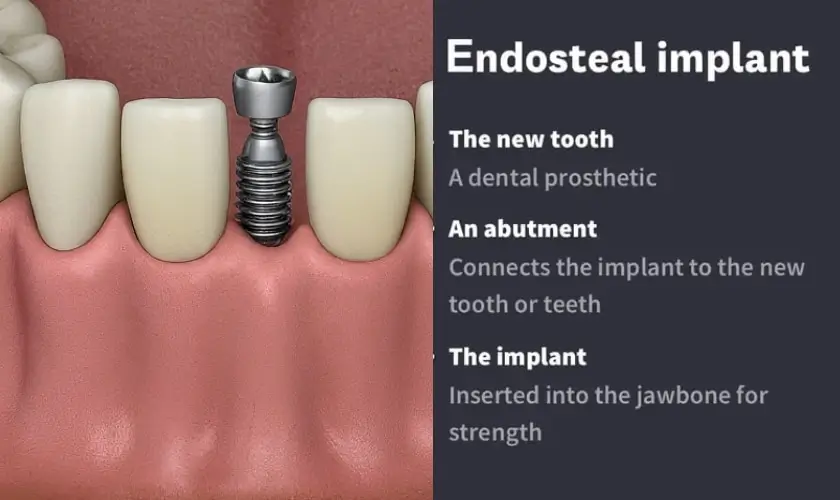
If you’ve just had dental implant surgery, congratulations — you’re on your way to having a stronger and more beautiful smile. But the recovery period is crucial. The first month after surgery is when your implant needs time to settle and bond with your jawbone, a process called osseointegration. What you eat during this time can make a huge difference in healing. In Thailand, people often say, *“กินผิด หมอทำใหม่”* (“eat the wrong thing, the dentist will have to fix it again”). So, knowing which foods to avoid can help you protect your investment and speed up recovery.
Below, let’s go through the main foods you should avoid for one month after dental implant surgery, along with some tips to make eating easier and safer during recovery.
---
### 1. Hard and Crunchy Foods
In Thailand, we love crispy fried snacks — think *khao kua* (roasted rice powder) or crispy pork skin. But right after implant surgery, these can be dangerous. Hard foods require more chewing force, which can put unnecessary pressure on your implant site. The mechanical stress could cause movement, interfere with healing, or even loosen the implant in the early stages.
**Examples to avoid:** roasted nuts, crunchy fried pork, crispy chips, raw carrots, or corn on the cob.
If you must eat vegetables, steam them until soft or blend them into a smoothie.
---
### 2. Sticky and Chewy Foods
Sticky foods cling to your teeth and gums, sometimes pulling at delicate tissues. In Thailand, we have chewy desserts like *khanom chan* or sticky rice with mango. While delicious, these can tug at sutures or require heavy chewing, which again puts strain on the implant.
**Why avoid them?** Chewy foods can trap bacteria around the healing site and make cleaning difficult. This increases the risk of infection.
**Examples to avoid:** sticky rice, toffee, dried fruits, chewy candy, gummy sweets. Choose softer alternatives like banana or papaya instead.
---
### 3. Spicy Foods
Thai cuisine is famous worldwide for its spice, from fiery som tam to spicy curries. But right after implant surgery, too much chili can cause irritation to sensitive gums and the surgical wound. Spiciness can increase blood flow to the area, which may cause more swelling or discomfort.
**Examples to avoid:** spicy seafood salad, green curry, chili sauces.
In the first month, go for mild soups or non-spicy stir-fries to give your mouth time to heal.
---
### 4. Very Hot Foods and Drinks
Hot soups, boiling rice noodles, or steaming Thai coffee might feel comforting, but heat can cause swelling and might slow down healing. Heat can also make the fresh wound more sensitive, increasing pain.
Try lukewarm or cool foods instead — for instance, chilled coconut water, room-temperature porridge, or cool yoghurt drinks are perfect during this period.
---
### 5. Alcoholic Beverages
Alcohol is a common part of celebrations in Thailand, but after implant surgery, it’s best avoided. Alcohol can slow do
wn the healing process, increase inflammation, and interact negatively with prescribed antibiotics or painkillers.
**Examples to avoid:** beer, whiskey, wine, cocktails. Opt for water, herbal teas, or fresh fruit juices to stay hydrated and avoid complications.
---
### 6. Raw or Undercooked Foods
Raw seafood, half-cooked eggs, and dishes like *pla koong (shrimp salad)* are tasty but may carry bacteria. Since your immune system is working hard to heal the implant, eating food that could cause infection is risky.
Instead of sashimi or rare meat, go for thoroughly cooked fish, boiled chicken, or steamed tofu.
---
### 7. Tough Meat
Beef steak, grilled pork, or jerky needs strong chewing, which isn’t ideal right after implant surgery. The fibers in tough meat make it harder to chew, meaning more strain on your implant site.
Choose minced meat, tender fish fillets, or slow-cooked proteins that melt in your mouth. In Thailand, *tom kha gai* (coconut chicken soup) is a gentle, soft-textured dish that works well.
---
## Additional Tips for Eating After Implant Surgery
- **Go for soft textures** – Foods like porridge, soft-boiled rice, noodles in broth, mashed sweet potatoes, and smoothies are easy to chew and won’t disturb the implant.
- **Eat on the opposite side of your mouth** – If possible, chew using the side that doesn’t have the implant to reduce pressure and irritation.
- **Stay hydrated** – Drinking enough water speeds healing and helps keep the mouth clean. Avoid sugary drinks as they can cause plaque buildup around the implant.
- **Avoid using straws** – Sucking motion can put pressure on the surgical site and may disturb healing.
- **Maintain oral hygiene carefully** – Brush gently around the implant with a soft-bristle toothbrush, and follow your dentist’s instructions for cleaning.
---
### Why Diet Matters for Dental Implant Success
Dental implants are an investment in your long-term oral health. They are designed to last for decades, but only if they heal properly in the first months. Eating unsuitable foods can increase the risk of implant failure, and in some cases require another surgery.
In the Thai context, many people might feel tempted to return quickly to normal eating habits — sharing hot pot with friends, enjoying deep-fried street food, or sipping iced coffee with sticky desserts. But remember, one month of careful eating can help ensure years of happy smiles.
---
### Final Thoughts
After your dental implant surgery, what you avoid is just as important as what you eat. Stay away from hard, sticky, spicy, hot, alcoholic, raw, and tough foods for at least one month. Focus on soft, nutritious options that keep your body strong and your mouth comfortable.
Think of this as giving your implant the best environment to heal — much like planting a tree and letting the roots settle before expecting it to hold up in strong winds. With patience and the right choices, you’ll soon be ready to enjoy your favourite Thai dishes again — safely and without worry.