How to Make Your Dental Implant Last Over 20 Years
How to Make Your Dental Implant Last Over 20 Years
**How to Make Your Dental Implant Last Over 20 Years**
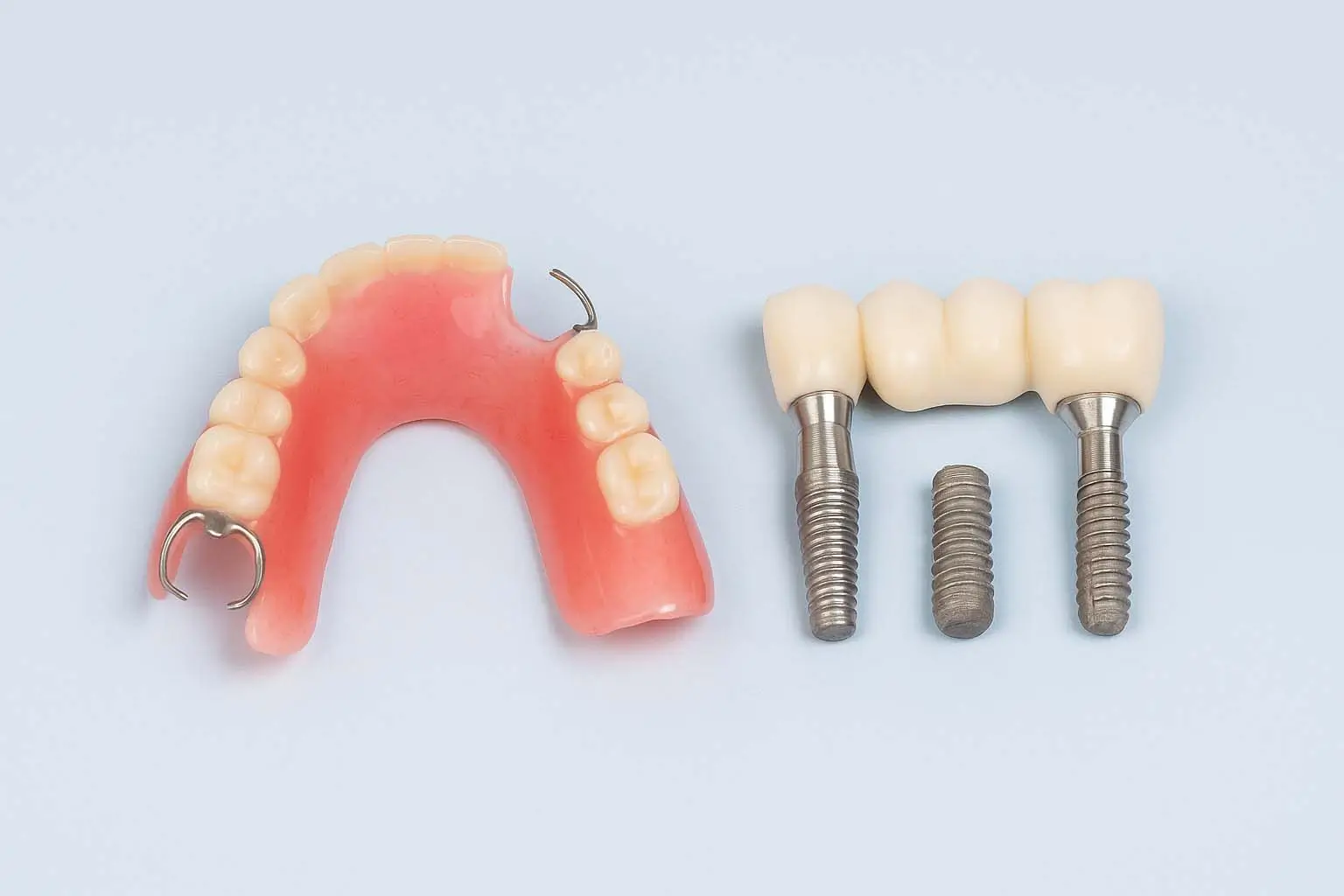
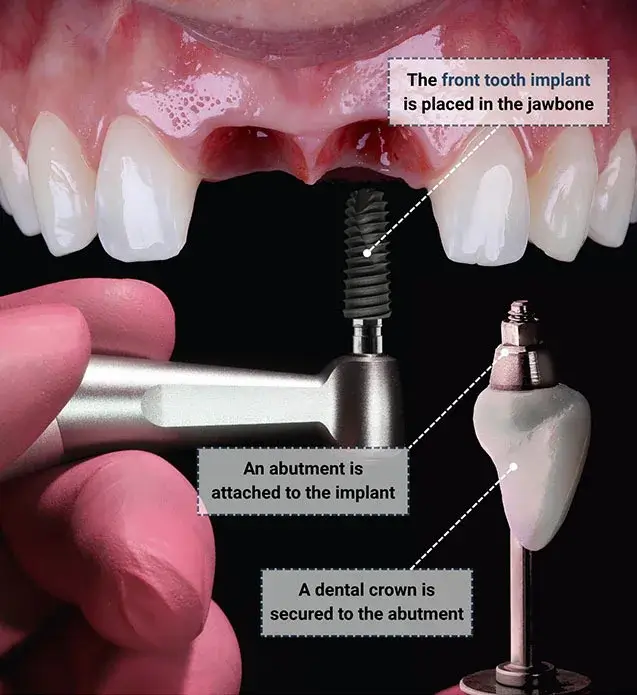
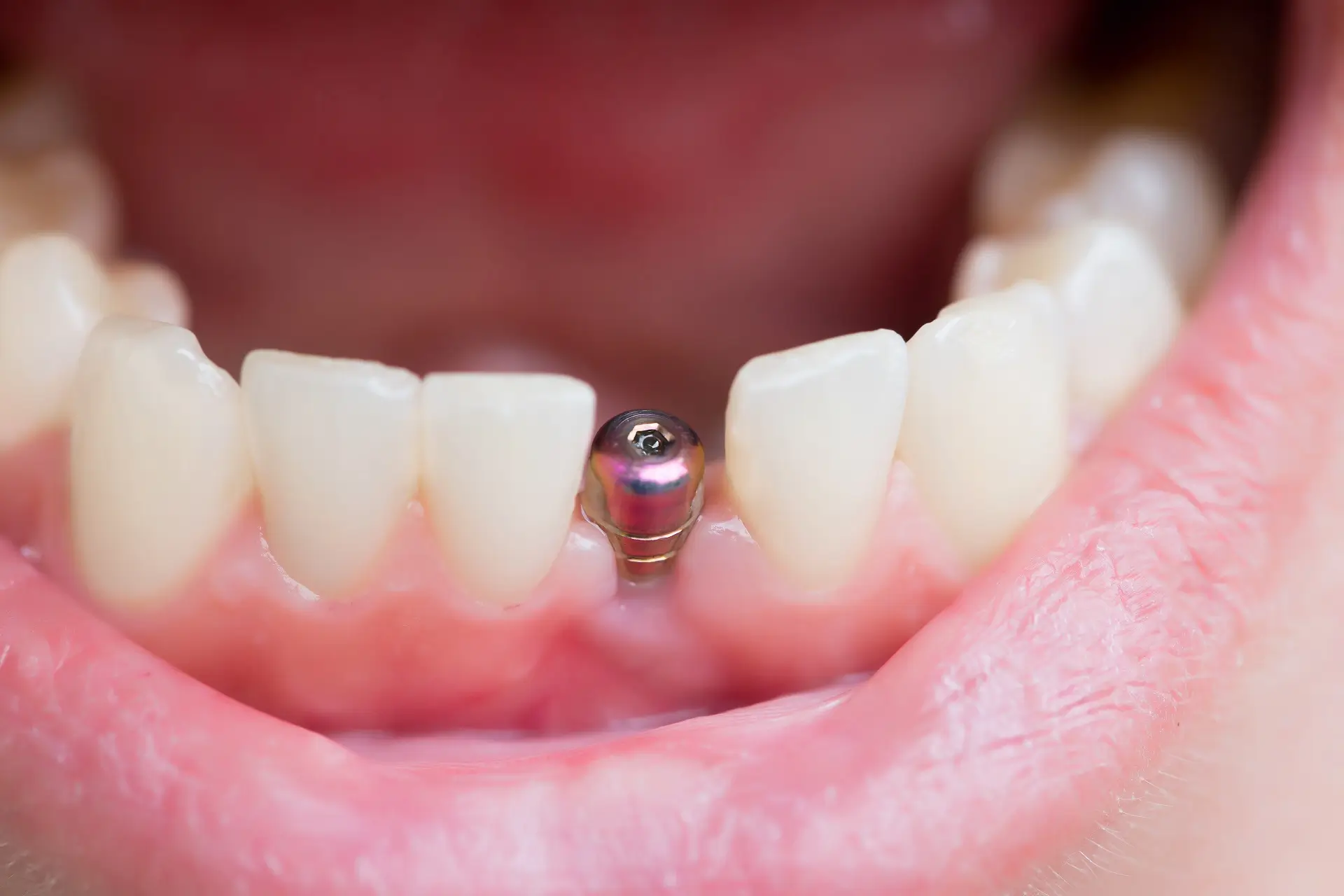
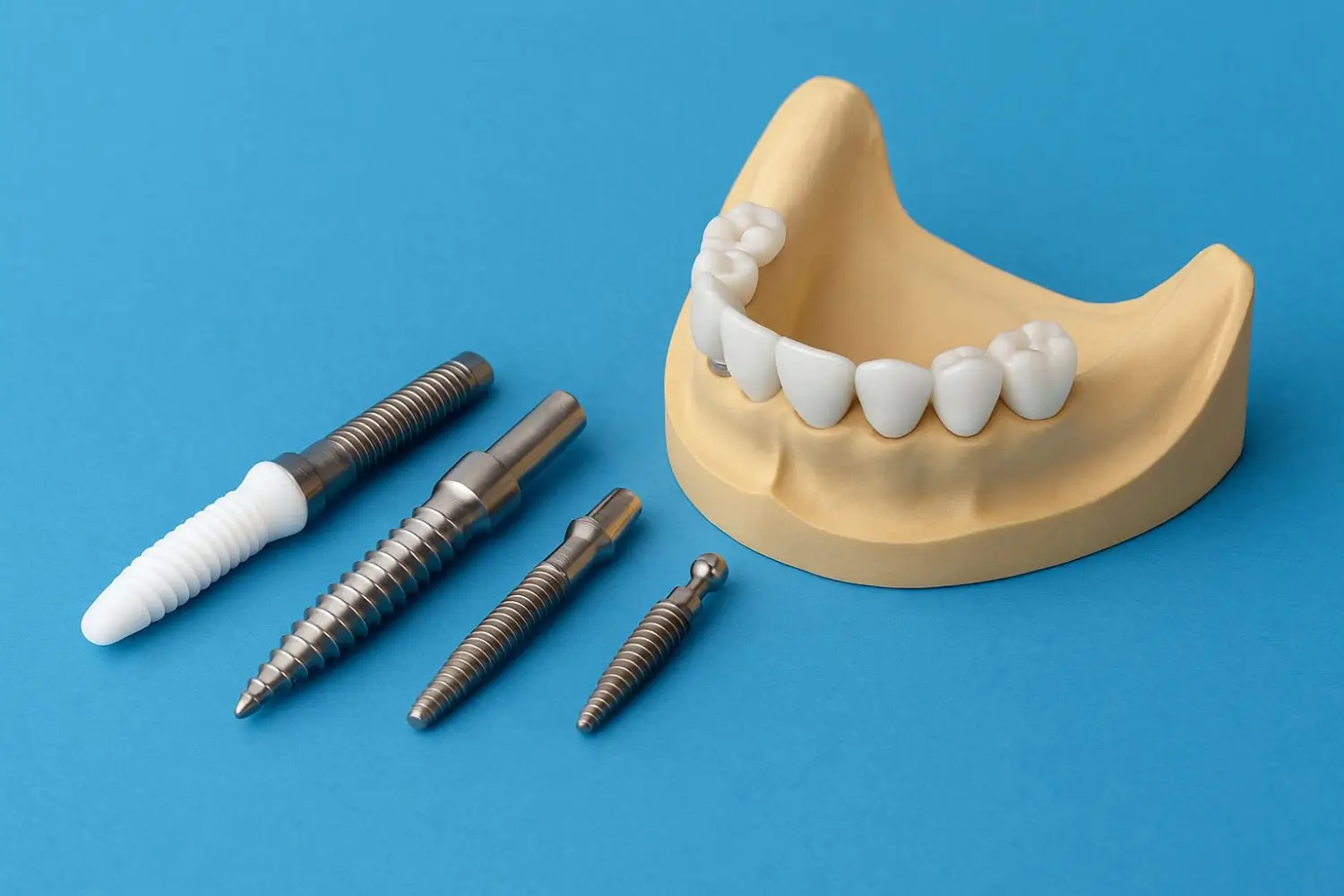
Dental implants have become a popular and trusted solution for replacing missing teeth. In Thailand, more and more people are choosing implants because they look natural, feel comfortable, and let you enjoy food without worry. But here’s the real question: how long can they last? Many dental professionals say that with proper care, implants can last 20 years or more — and sometimes even a lifetime. The secret lies in how you look after them from day one.
If you’ve invested in a dental implant, it’s worth knowing the steps needed to protect it for decades. Think of it as caring for a new car or a valuable watch — regular maintenance keeps it running smoothly. Let’s explore key tips that help your dental implant stay strong and healthy for over 20 years.
---
### 1. Commit to Excellent Oral Hygiene
Even though dental implants don’t decay like natural teeth, the gums and surrounding bone can still be affected by bacteria. In Thailand’s warm, humid climate, food particles and plaque can build up quickly. Regular brushing with a soft-bristled toothbrush after meals is essential. Flossing at least once a day, especially around the implant, helps remove any trapped food that could cause gum inflammation.
Consider using an antibacterial mouthwash once daily. This helps reduce the risk of infections such as peri-implantitis — a condition similar to gum disease, but affecting the tissues around an implant. The cleaner your mouth, the better your implant’s long-term health.
---
### 2. Schedule Regular Dental Check-ups
In Thailand, most dentists recommend a check-up every six months. For people with implants, these visits are crucial. Even if your implant feels perfectly fine, your dentist can detect early signs of issues before they become serious. They will check the gum health, the stability of the implant, and perform professional cleaning to remove any hard plaque you might have missed.
A regular check-up also ensures that your bite remains correct. Over the years, teeth can shift slightly, and an unbalanced bite can put undue pressure on the implant, shortening its lifespan.
---
### 3. Pay Attention to Your Diet
Thai cuisine is famous for being delicious — from sticky rice to spicy som tam. While your implant allows you to enjoy your favourite foods, being mindful of what and how you eat plays a role in its durability. Hard foods, like ice cubes or certain nuts, can put excessive force on an implant crown and may cause cracks or chips.
Sugary snacks and sweet drinks should be enjoyed in moderation. Over time, high sugar levels can contribute to gum problems, which in turn can affect the stability of your implant. A balanced diet rich in fresh vegetables, lean proteins, and enough calcium supports your jawbone health, keeping the implant firmly in place.
---
### 4. Avoid Harmful Habits
Certain habits ca
n significantly reduce the lifespan of a dental implant. Smoking, for example, is known to slow down healing after surgery and increase the risk of infection in the gum tissues. In Thailand, where barbecued foods and outdoor gatherings are common, some people may also chew betel nuts — these can damage teeth and irritate gums, making them risky for implant longevity.
If you grind your teeth at night, discuss this with your dentist. They may recommend a customised night guard to prevent wear and tear on the implant and surrounding teeth.
---
### 5. Protect Your Implant During Activities
If you enjoy playing sports such as Muay Thai, football, or even casual weekend badminton, it’s wise to protect your teeth. A mouthguard can prevent accidental impact damage to your implant. It’s a small investment that saves you from expensive repairs later.
For people in jobs that involve physical activity or travel, carrying a mouthguard or protective dental case can be a smart move.
---
### 6. Manage Overall Health
Your body’s overall health directly affects your implant. Conditions such as uncontrolled diabetes or osteoporosis can weaken the jawbone, impacting the stability of the implant over time. In Thailand’s busy lifestyle, it’s easy to overlook regular health check-ups, but staying in good general health helps ensure your implant’s strong foundation.
Maintaining a healthy weight, exercising regularly, and drinking enough water also supports good oral health. If you take medication long-term, always inform your dentist so they can monitor any potential impact on your gums or bone structure.
---
### 7. Follow Your Dentist’s Instructions
After your implant procedure, your dentist will provide clear guidelines about cleaning, follow-up visits, and any special precautions. These instructions are based on your unique situation, such as your bite pattern and gum condition. Following them closely is one of the most effective ways to ensure your implant’s longevity.
Skipping post-procedure check-ups or ignoring early signs of discomfort can lead to costly repairs later. Remember, prevention is always easier — and cheaper — than treatment.
---
**Final Thoughts**
Dental implants are a reliable and long-term solution for missing teeth, but their long life depends largely on you. Just like keeping a house in good condition, regular care, healthy habits, and professional maintenance can make all the difference. In Thailand, where food culture is rich and social life is vibrant, having a strong, healthy implant means you can enjoy every smile and every meal without worry.
By brushing and flossing daily, visiting your dentist regularly, eating wisely, and protecting your oral health, you give your dental implant the best chance to last well beyond 20 years. Think of it as an investment not only in your smile but in your confidence and overall wellbeing for decades to come.