Is It Safe to Chew Hard Foods With a New Implant
Is It Safe to Chew Hard Foods With a New Implant
**Is It Safe to Chew Hard Foods With a New Implant?**
For many people in Thailand, dental implants have become a popular solution to replace missing teeth. They look natural, feel secure, and bring back the confidence to smile wide—whether at a family gathering in Chiang Mai or a seafood dinner at Hua Hin. But if you’ve just had a new dental implant fitted, one big question often pops up: *Can I chew hard foods right away?*
The short answer is—probably not yet. Let’s take a closer look at why that is, what “hard foods” really mean in daily Thai eating habits, and how to protect your implant for the long term.
---
### Understanding What a Dental Implant Needs to Heal
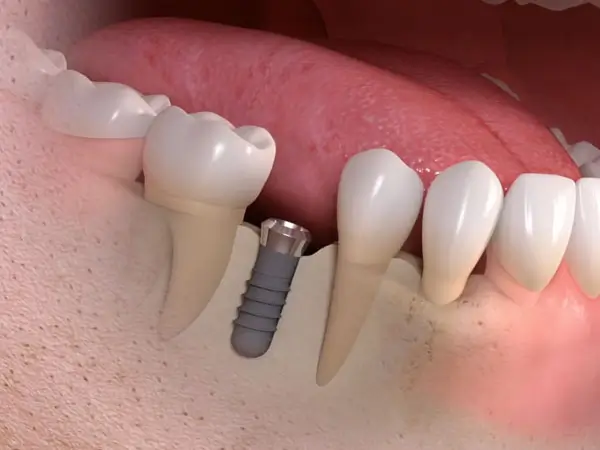
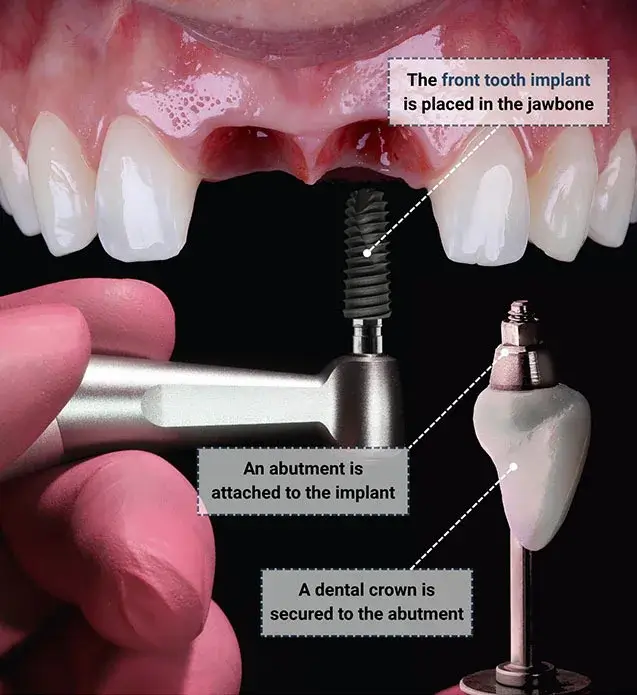
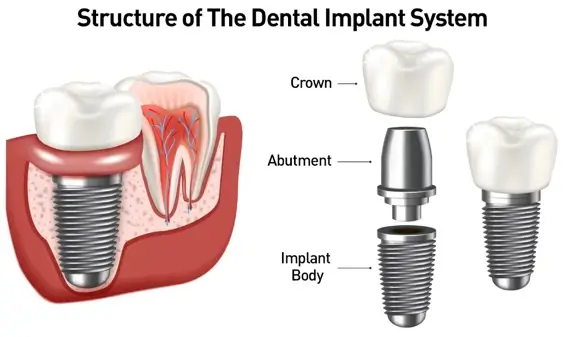
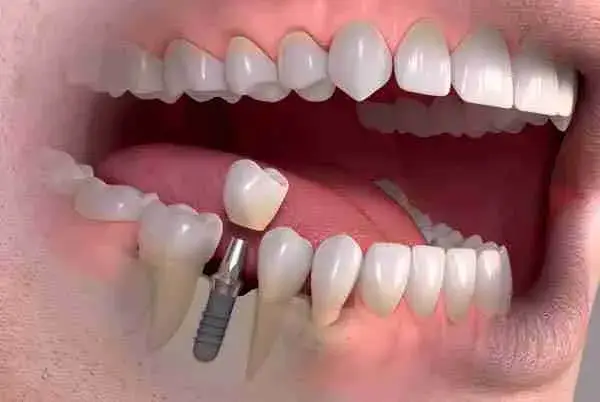
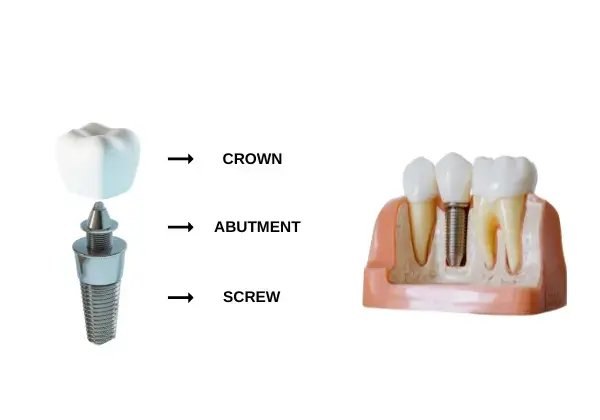
A dental implant isn’t just placed into your mouth like a crown or filling. It’s a titanium post inserted into your jawbone, acting like the root of a natural tooth. After surgery, the bone needs time to fuse with the implant in a process called **osseointegration**. This can take several months, depending on your health, oral hygiene, and the complexity of the procedure.
In Thailand, dentists often recommend a “soft food diet” for anywhere between 2–6 weeks after implant placement. This is because chewing heavy or hard foods too soon can put undue pressure on the new implant before it’s fully integrated, risking damage or failure.
---
### Typical “Hard Foods” in Thai Daily Life
When we say “hard foods,” it might be easy to think just of nuts or candy. But in Thailand, common dishes also include ingredients that are surprisingly tough to chew. Here are a few examples:
- **Deep-fried pork rind (Kaeb Moo)** – Crunchy and delicious, but tough on teeth.
- **Roasted peanuts or cashews** – Common in street snacks and stir-fries.
- **Sticky rice grilled until crispy** – Found in markets as *khao jee*.
- **Sugarcane or fresh coconut chunks** – Widely enjoyed in local desserts.
- **Green papaya strands in som tam** – If unripe and not shredded finely, they can be fibrous and hard.
Eating these too soon after implant surgery can cause micro-movements in the implant, slowing down healing or even loosening the post in the bone.
---
### Why Waiting Is Worth It
Think of your implant like a newly planted tree. The roots need time to grip the soil before facing strong winds. The healing process is similar—you want to protect the foundation before subjecting it to any strain.
Chewing hard foods too early can cause several problems:
1. **Pain or inflammation** – Stressing the surgical site may cause discomfort.
2. **Slower healing** – Excess force can impair bone fusion.
3. **Risk of implant failure** – In severe cases, the implant may never stabilize.
By sticking to sof
t foods in the early weeks—like rice porridge (*khao tom*), steamed fish, tofu, or ripe mango—you’re giving your body the best chance for success.
---
### Tips for Transitioning Back to Normal Eating
When your dentist in Bangkok, Chiang Mai, or Phuket gives the green light to eat normally, you should still take precautions at first.
- **Start with semi-soft foods** – Try steamed vegetables, omelettes, or stir-fried noodles with tender meat.
- **Chew slowly and mindfully** – Pay attention to how your implant area feels.
- **Avoid biting directly with the implant** – Use other teeth to take the first bite, especially with harder textures.
- **Stay hydrated** – Water helps wash away food particles and supports oral healing.
- **Maintain good oral hygiene** – Use a soft-bristled brush and follow cleaning instructions for the implant.
If you notice swelling, bleeding, or sharp pain after eating harder foods, stop and visit your dentist promptly. Early intervention can save both your implant and your comfort.
---
### Lifestyle Habits That Help Implants Last Longer
In Thailand’s warm climate where spicy food and iced drinks are part of daily life, caring for dental implants goes beyond the initial healing stage. Consider these habits:
- **Limit very hard snacks** even after full recovery—examples include betel nut or ice cubes.
- **Use mouthwash regularly** to reduce bacteria around the implant.
- **Visit your dentist twice a year** for check-ups and professional cleaning.
- **Avoid smoking** as it slows tissue healing and can lead to implant complications.
Remember, unlike natural teeth, implants don’t decay—but the surrounding gum and bone can weaken if not cared for properly.
---
### Final Thoughts
If you’ve just received a dental implant, think of it as an investment in your health and confidence. Protecting it in the first few months is crucial—meaning that hard foods, whether it’s crispy pork rind or roasted nuts from a Bangkok street stall, should wait until your dentist confirms the implant is ready.
Patience during recovery means you’ll be able to enjoy all your favourite Thai dishes later with the strength and security of a healthy bite. By understanding your implant’s healing process, choosing foods wisely, and following your dentist’s guidance, you can ensure that your smile stays strong for years to come.
Your journey with a dental implant isn’t just about getting your chewing power back—it’s about making decisions in daily life that help your implant last. So take it slow, enjoy the soft side of Thai cuisine for now, and look forward to a future where those crispy treats will be safe, satisfying, and worry-free.