Signs Your Implant Crown Needs Replacement
Signs Your Implant Crown Needs Replacement
**Signs Your Implant Crown Needs Replacement**
Dental implants have become one of the most popular solutions for replacing missing teeth in Thailand. They look natural, feel comfortable, and—when taken care of properly—can last for many years. However, while the implant itself is made to be durable, the crown attached to it may not last forever. Just like any other dental restoration, an implant crown can eventually wear out or get damaged, leading to the need for a replacement. Knowing the signs early can save you from discomfort, bigger expenses, or more complicated dental procedures.
Below are some clear indicators that it might be time to replace your implant crown.
---
### 1. Visible Cracks or Chips
One of the most obvious signs that your implant crown may need replacing is visible damage. Even though crowns are strong, they can still crack or chip from biting hard foods—such as crispy pork or dried squid—or from accidents like bumping your mouth. Small chips might seem harmless at first, but they can worsen over time, affecting both the function and appearance of your tooth. If you notice any change in the surface of your crown, it’s best to see your dentist quickly.
---
### 2. Changes in Bite or Chewing Comfort
Your bite should feel natural and balanced. If your implant crown starts to feel too high, too low, or slightly uneven compared to the surrounding teeth, this could mean it’s shifting or wearing down. This change can lead to discomfort when chewing, jaw strain, or even headaches. Since Thai cuisine includes a lot of chewy and crunchy foods, even small alterations in your bite can become noticeable during daily meals.
---
### 3. Discoloration or Staining That Won’t Go Away
A high-quality crown is designed to resist staining, but over time it can lose its natural shade, especially if you drink coffee, Thai iced tea, or dark herbal drinks regularly. If you notice that your crown looks dull or discolored compared to your other teeth, and professional cleaning doesn’t restore its appearance, it may be time to replace it. A fresh crown can bring back a brighter, more consistent smile.
---
### 4. Gum Irritation or Receding Around the Crown
Healthy gums should fit neatly around the implant crown. If your gums start to look red, swollen, or receded in the area, it could signal that the crown is no longer fitting properly. In Thailand’s warm and humid climate, gum health can be challenged by certain foods and lifestyles, so it’s important to pay attention to early signs of irritation. Addressing this issue sooner rather than later helps prevent infection or damage to the implant itself.
---
### 5. Looseness or Movement
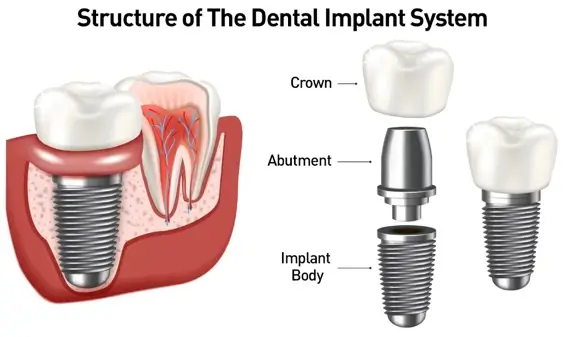
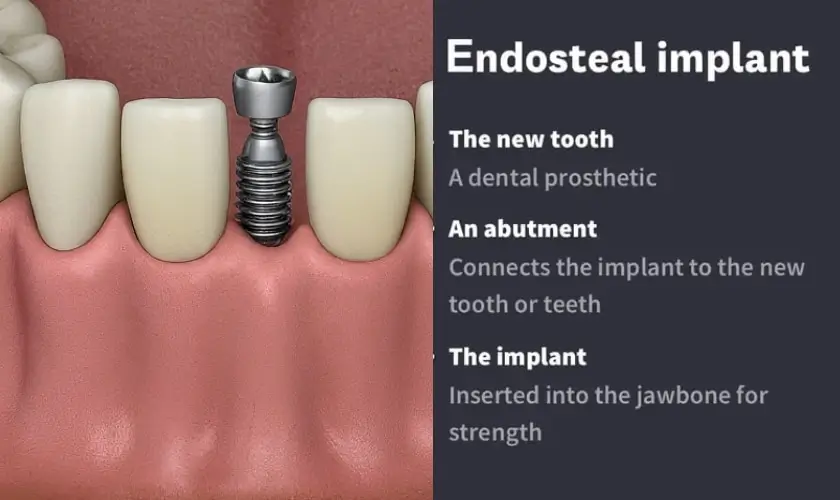
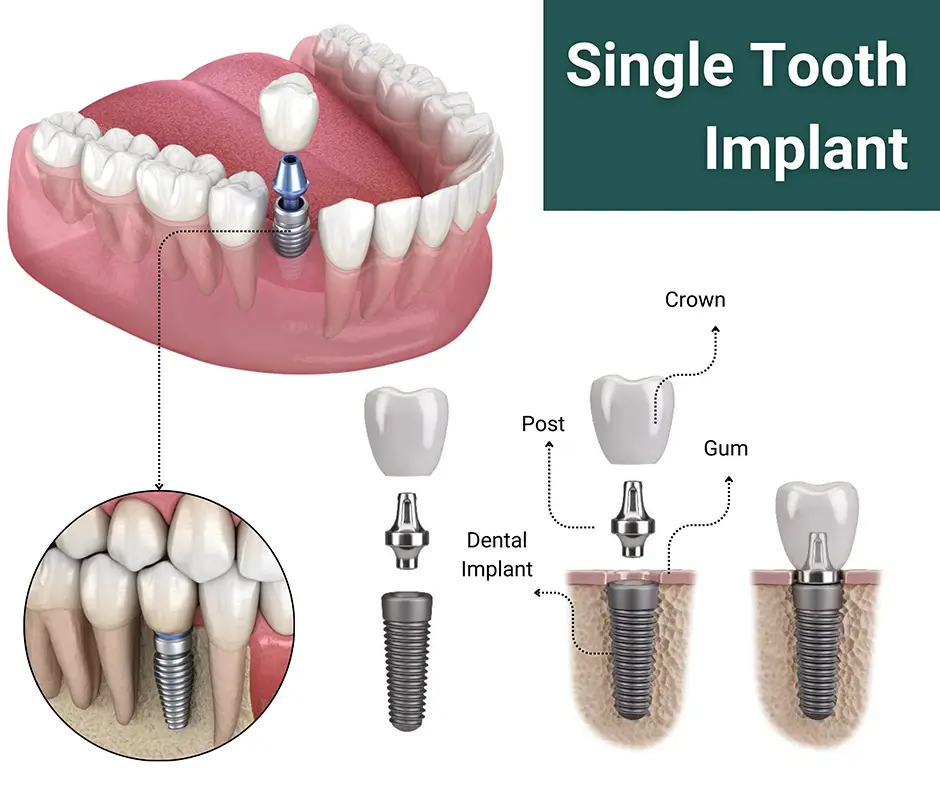
An implant crown should feel as solid as a natural tooth. If you feel any wobbling, it’s a definite sign that something’s wrong. Sometimes, the crown’s internal attachment to the abutment loosens due to wear
and tear, grinding habits, or simply long-term usage. This is not something you should ignore—loose crowns can lead to bacteria build-up and potential implant failure.
---
### 6. Pain or Sensitivity
While the implant itself doesn’t have nerves, the surrounding gums and supporting structures do. If your crown is damaged, misaligned, or not sealing properly, it can cause discomfort. You might feel sensitivity when drinking chilled water or hot soup, or a mild ache when chewing. Any pain or unusual sensation around an implant site should be checked by a dentist, as it may indicate a crown problem that requires replacement.
---
### 7. Wear and Tear Over Time
Even with great oral hygiene, crowns eventually wear out due to the natural forces of chewing. Most implant crowns last between 10 to 15 years, but lifestyle factors in Thailand—such as enjoying hard snacks or spicy, acidic dishes—can affect longevity. If your crown has been in place for over a decade, it’s wise to have it evaluated during your regular dental check-ups.
---
## How to Maintain Your Implant Crown for Longer
Although replacement may eventually be necessary, the good news is you can extend the life of your crown with proper care:
- **Brush and floss daily** – Use fluoride toothpaste and pay special attention around the crown and gum area.
- **Avoid biting hard objects** – Don’t bite ice cubes, pens, or very hard dried foods.
- **Limit staining foods and drinks** – Reduce coffee, tea, and certain herbal beverages.
- **Wear a night guard** – If you grind your teeth, a guard can protect your crown.
- **Schedule regular dental visits** – Professional cleaning and inspections help detect issues early.
---
## When to See a Dentist in Thailand
Dental care in Thailand is highly accessible, with many clinics offering modern equipment and English-speaking dentists in cities like Bangkok, Chiang Mai, and Phuket. If you notice any of the signs above, don’t postpone your visit—early examination can mean a simpler fix and lower costs. Whether it’s a slight adjustment or a full crown replacement, acting quickly helps preserve your implant and protect your smile.
---
### Final Thoughts
Your dental implant crown plays a big role in both your appearance and comfort. Even though it is designed to be strong and long-lasting, it is not immune to wear, damage, or changes over time. By keeping an eye out for visible cracks, changes in bite, discoloration, gum irritation, looseness, or new sensitivity, you can catch issues early. And remember—regular check-ups with a trusted Thai dentist will help ensure your crown stays in top condition for as long as possible.
A healthy, confident smile is worth the effort. Treat your implant crown with care, and when replacement becomes necessary, see it as an investment in maintaining not just your oral health, but also your overall well-being.