Most Common Complications After Implants and How to Avoid Them
Most Common Complications After Implants and How to Avoid Them
**Most Common Complications After Implants and How to Avoid Them**
Dental implants are becoming more and more popular in Thailand thanks to their natural look, durability, and ability to restore confidence in your smile. Whether you’re getting an implant in Bangkok, Chiang Mai, or Phuket, the procedure offers a long-term solution for missing teeth. However, like any medical treatment, implants carry some risks. By understanding the most common complications and how to avoid them, you can take steps to ensure your investment is both safe and successful.
---
### 1. **Infection at the Implant Site**
One of the most frequent issues after dental implant placement is infection in the surrounding gum or bone. This can happen when bacteria enter the surgical area during healing. In Thailand’s humid climate, extra care must be taken to maintain strict oral hygiene, as moisture can sometimes encourage bacterial growth.
**How to avoid it:**
- Follow your dentist’s aftercare instructions carefully.
- Brush your teeth twice a day and use an antibacterial mouth rinse.
- Avoid touching the implant area with your tongue or fingers.
- Keep regular follow-up appointments, even if everything feels fine.
---
### 2. **Implant Failure Due to Bone Integration Problems**
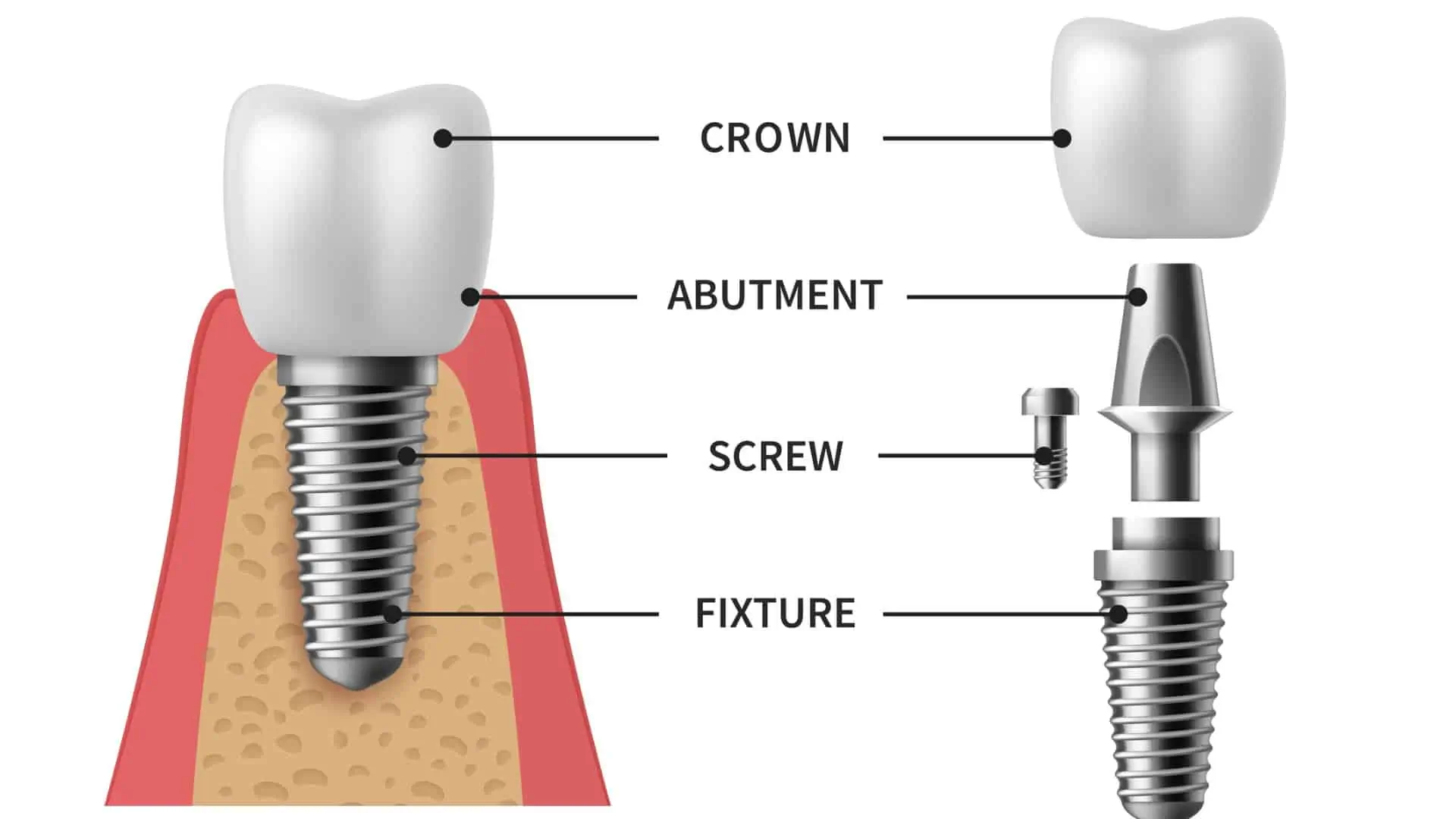
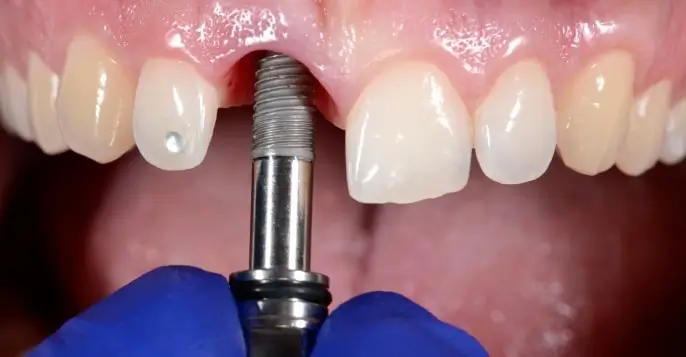
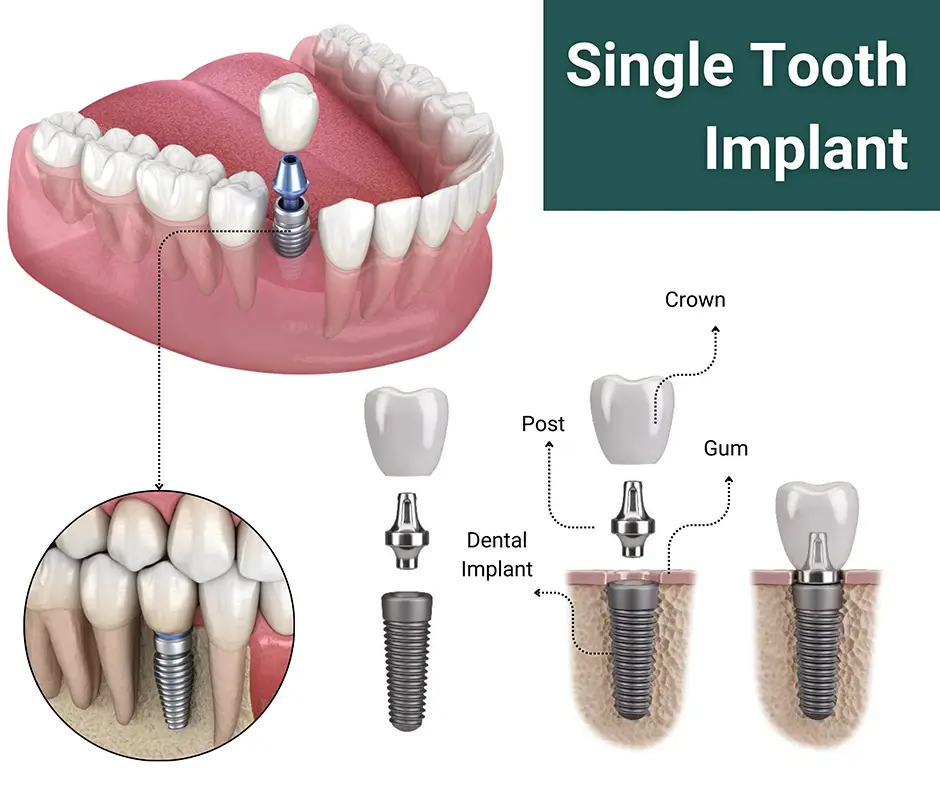
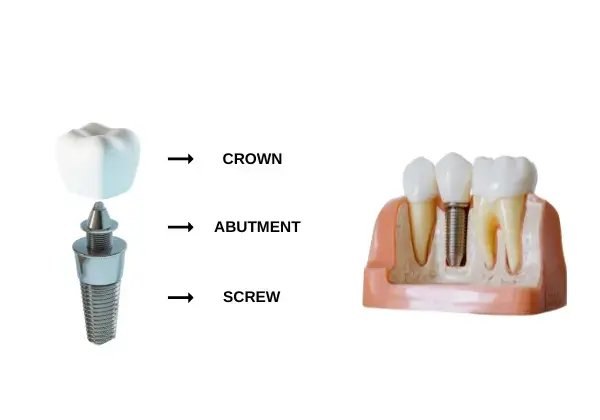
Successful implants rely on a process called osseointegration, where the titanium post fuses with your jawbone. If this process fails, the implant can become loose or even fall out. Causes may include insufficient bone density, excessive pressure during healing, or medical conditions like diabetes.
**How to avoid it:**
- Have a thorough consultation and X-ray before surgery to check bone quality.
- Consider a bone graft if your dentist advises it.
- Avoid chewing hard foods in the first few weeks after placement.
- Manage underlying health factors such as blood sugar and smoking habits.
---
### 3. **Gum Recession Around the Implant**
Over time, some people notice their gums receding, exposing the implant or abutment. This can make the implant look unnatural and even increase sensitivity. In Thailand, diets that include spicy foods and acidic drinks like iced lemon tea can sometimes irritate gums if proper cleaning is neglected.
**How to avoid it:**
- Clean your teeth gently but thoroughly every day.
- Limit very spicy or acidic foods during the healing period.
- Use a soft-bristled toothbrush to protect the gums.
- Schedule professional cleanings to keep plaque away from the implant base.
---
### 4. **Nerve Damage Causing Pain or Numbness**
In rare cases, dental implant surgery can affect nearby nerves, leading to discomfort or numbness in the lips, chin, or tongue. This usually results from incorrect placement, which is why choosing a qualified dentist in Thailand is crucial.
**How to avoid it:**
- Select a clinic with strong credentials and good patient reviews.
- Ensure your dentist uses advanced imaging technology like CBCT scans to plan the surgery.
- Report any unusual dis
comfort immediately instead of waiting for it to improve on its own.
---
### 5. **Sinus Issues With Upper Jaw Implants**
For implants placed in the upper jaw, especially near the back teeth, there is a risk of them protruding into the sinus cavity. This can cause sinus discomfort or infections. In Thailand, where sinus problems can flare due to seasonal changes or allergens, this is an important concern.
**How to avoid it:**
- Get a proper sinus evaluation before upper jaw implant surgery.
- If your jawbone height is limited, consider a sinus lift procedure first.
- Avoid activities that create sinus pressure, like diving, until fully healed.
---
### 6. **Peri-Implantitis (Gum Disease Around Implants)**
Peri-implantitis is a specific form of gum disease affecting implants, often caused by poor oral hygiene or smoking. It leads to inflammation, bleeding, and bone loss around the implant area. Because Thai cuisine often includes sticky rice, sweet drinks, and tropical fruits, food particles can easily get lodged around implants if cleaning is inadequate.
**How to avoid it:**
- Brush and floss carefully after meals.
- Use interdental brushes for hard-to-reach places.
- Avoid smoking as it significantly increases risk.
- Get your gums checked during regular dental visits.
---
### 7. **Mechanical Problems With the Implant Crown**
Sometimes the crown on top of the implant chips, loosens, or cracks. This can result from biting hard foods or accidental trauma. In Thailand’s vibrant food culture, where crispy pork, crunchy som tam, and hard nuts are common, it’s easy to put stress on the implant.
**How to avoid it:**
- Avoid biting very hard objects with your implant tooth.
- Wear a mouthguard if you grind your teeth at night.
- Get minor crown damage repaired promptly before it worsens.
---
### Choosing the Right Dentist in Thailand
The skill and experience of the dentist you choose will significantly affect your results. Look for clinics that are transparent about qualifications and technology, and don’t hesitate to ask questions. Many high-quality dental centres in Thailand cater to both locals and international patients, offering modern techniques at affordable rates.
---
### Key Takeaways
Dental implants can last for decades if properly cared for, but understanding the common complications helps you stay proactive. Whether you live in Thailand or are coming here for treatment, remember that prevention starts with:
- Good oral hygiene every day
- Following post-surgery instructions closely
- Attending all scheduled check-ups
- Choosing a clinic that prioritises safety and patient care
By keeping these points in mind, you’ll enjoy the benefits of your dental implants while minimising risks, and keep your smile looking natural and healthy for years to come.
---
Would you like me to also create an **SEO meta title and meta description** for this article so it’s fully ready for Google indexing? That will help it rank faster.