How to Maintain Gum Health Around Implants
How to Maintain Gum Health Around Implants
**How to Maintain Gum Health Around Implants**
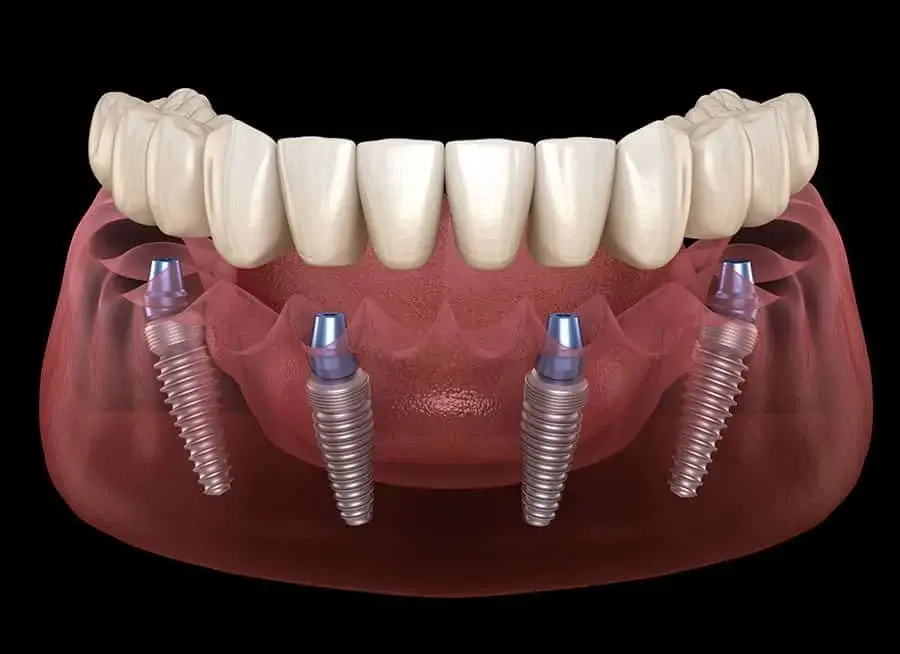
If you’ve invested in dental implants, you know they can transform not just your smile, but also your confidence and ability to chew comfortably. In Thailand, implants have become increasingly popular as a long-term solution for replacing missing teeth. However, while implants are strong and durable, the gum tissue around them plays a key role in keeping them stable and looking natural. Gum health is the foundation — without it, implants can face serious problems.
Here’s a friendly, practical guide you can follow to keep your gums healthy and protect your investment for years to come.
---
### Why Gum Health Matters Around Implants
Many people believe that once they have implants, they no longer need to worry about gum problems. This is far from the truth. While implants don’t get cavities like natural teeth, the surrounding tissue can still develop infections such as peri-implantitis — a gum disease similar to periodontitis. In Thailand’s humid climate, bacteria can multiply quickly if plaque isn’t removed, leading to swelling, bleeding, and even bone loss. Healthy gums not only hold your implants firmly in place but also give you a natural, beautiful smile.
---
### 1. Brush Gently but Thoroughly
Brushing twice a day is essential, but the technique matters just as much as the routine. For implants, use a soft-bristled toothbrush or an electric toothbrush with a gentle mode. Focus on the gumline — where the implant crown meets the soft tissue — as plaque often hides here. Instead of scrubbing aggressively, use small circular motions. This removes debris without causing irritation.
Tip often shared by Thai dental hygienists: Hold your toothbrush at a 45-degree angle towards the gumline for better cleaning and to protect delicate tissue.
---
### 2. Floss or Use Interdental Brushes
Normal floss can work, but many implant patients find interdental brushes easier and more effective, especially for cleaning tight spaces between implants and natural teeth. Choose brushes with soft coated wires to avoid scratching the implant surface. Daily flossing helps remove trapped food that can cause gum inflammation.
For those enjoying spicy Thai street food like som tam or grilled satay, food particles can easily lodge around implants — so flossing after meals is a smart habit.
---
### 3. Rinse with Antimicrobial Mouthwash
An alcohol-free mouthwash containing chlorhexidine or fluoride can help control bacteria while keeping the mouth fresh. Rinse once or twice a day, especially if you have mild gum sensitivity. Be careful not to overuse strong rinses, as long-term use may cause staining.
Some Thai dental clinics recommend herbal mouth rinses with natural antibacterial properties for a gentler daily option — these can be a good choice if you prefer herbal remedies.
---
### 4. Stay Hydrated
Thailand’s warm weather can cause dry mouth, which makes it easier for bacteria to grow. Drinking enough water throughout the day helps maintain saliva flow, whi
ch naturally washes away food particles and bacteria. Carrying a water bottle when you’re out in the sun or enjoying beach destinations like Phuket can keep both your mouth and body hydrated.
---
### 5. Maintain a Balanced Diet
Certain foods support gum health, while others can harm it. Vitamin C-rich fruits like guava and papaya help keep gums strong. Leafy greens provide essential folate for tissue repair. Avoid excessive sugar, as it feeds bacteria and increases plaque buildup.
Many Thais enjoy fresh vegetables and herbs — these not only add flavor to meals but also provide nutrients your gums love. Limiting sticky sweets and deep-fried snacks can make a big difference in keeping your gums in top condition.
---
### 6. Visit Your Dentist Regularly
Even if your implants feel fine, professional check-ups are important. Thai dentists often recommend visits every six months to monitor gum health and clean areas you can’t reach at home. Regular scaling and implant maintenance prevent early signs of gum problems from becoming serious.
During these visits, your dentist might use special tools designed to clean implants without scratching their surface. This makes your home care routine even more effective.
---
### 7. Avoid Smoking
In Thailand, smoking is still a common habit among some adults, but it is one of the biggest threats to implant health. Smoking reduces blood flow to gum tissues, slows healing, and increases the risk of infection around implants. If giving it up completely feels difficult, seek support — many hospitals and wellness centers now offer quit-smoking programs with counseling and medication options.
---
### 8. Watch for Early Warning Signs
Don’t ignore symptoms like gum bleeding, persistent bad breath, swelling, or redness around the implant. These can signal gum problems that require immediate attention. The sooner you act, the better chance you have to stop the issue before it affects the bone supporting your implant.
In Thai culture, where people value politeness and may avoid complaining, it’s important to remember that telling your dentist about discomfort isn’t bothering them — it’s protecting your health.
---
### Final Thoughts
Dental implants can last for decades, but only if you care for the gums that keep them secure. Good daily hygiene, mindful eating, and regular dental visits are the keys to success.
In Thailand, where food is flavorful and the climate is warm, gums can face unique challenges. By brushing gently, flossing daily, using the right mouthwash, and staying hydrated, you’re giving your implants the best environment to thrive. And remember, healthy gums mean a beautiful smile — and that’s something worth protecting for life.
---
With these simple steps, you can enjoy your implants without worry, keep your gums healthy, and smile confidently whether you’re at a family gathering, a Chiang Mai coffee shop, or a beach resort in Krabi. Your gums are the true guardians of your implant — treat them well, and they’ll serve you for years to come.