How to Reduce Inflammation Around Dental Implants
How to Reduce Inflammation Around Dental Implants
**How to Reduce Inflammation Around Dental Implants**
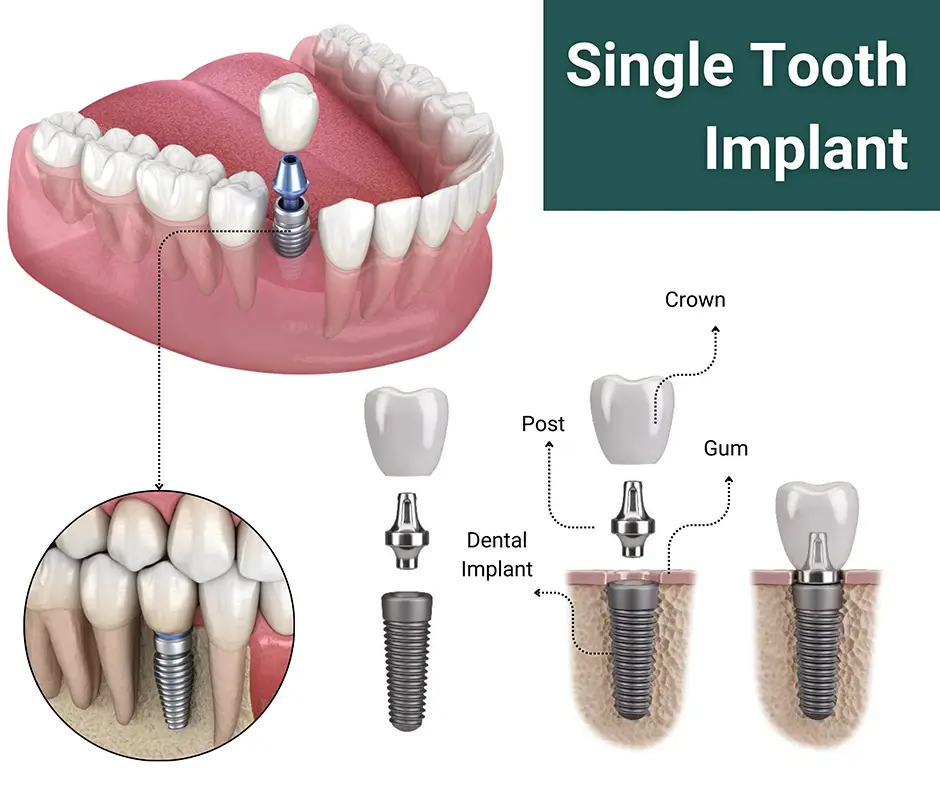
Dental implants have become a reliable solution for replacing missing teeth, offering both function and aesthetics. In Thailand, they are increasingly popular thanks to advanced dental technology and competitive pricing compared to many other countries. However, like any medical procedure, they require proper care to avoid complications. One common issue that patients may encounter is inflammation around the implant site — medically known as peri-implant mucositis or, in more severe cases, peri-implantitis.
If you’ve recently had an implant and notice swelling, redness, or discomfort in the area, it’s important to address it promptly. Let’s explore practical steps you can take to reduce inflammation, improve healing, and maintain the long-term success of your dental implant.
---
### 1. Identify the Cause Early
Inflammation around dental implants usually occurs when bacteria collect along the gum line, leading to irritation or infection. This could happen due to:
- Poor oral hygiene
- Smoking
- Excessive stress on the implant
- Gum disease in surrounding teeth
- Improper bite alignment
Early symptoms include gum tenderness, slight bleeding during brushing, and mild swelling. In Thailand, where spicy food and sweet iced drinks are part of daily life, it’s easy for bacteria to thrive if dental cleaning routines aren’t consistent. Recognizing these signs early allows you to take immediate action before the problem worsens.
---
### 2. Maintain Daily Oral Hygiene
Strong oral hygiene is the first line of defense against inflammation. Use a soft-bristled toothbrush and non-abrasive toothpaste to clean around your implant twice a day. Flossing carefully is equally important — but instead of pulling the floss up and down aggressively, gently slide it along the gum margin to avoid trauma.
For many Thai patients, mouthwash becomes a convenient option, especially when on the go or after enjoying street food. Choose an alcohol-free antibacterial mouth rinse to minimize irritation while reducing harmful germs around the implant.
---
### 3. Adjust Your Diet During Recovery
Food choices play a major role in healing and reducing inflammation. Sticky rice, papaya salad, and grilled meats are popular in Thailand, but during recovery from dental surgery, these may need to be adjusted. Opt for softer, less spicy meals to avoid irritating the gums.
Incorporating anti-inflammatory foods such as fresh fruits, leafy greens, and omega-3-rich fish like mackerel or salmon can help the body fight swelling naturally. Drinking plenty of water or warm herbal tea also helps flush bacteria from the mouth, supporting overall gum health.
---
### 4. Avoid Smoking and Excess Alcohol
Smoking is one of the biggest risk factors for implant inflammation. Tobacco reduces blood flow to the gums, slowing healing and making it easier for infections to develop. In Thailand, social drinking is common during festivals and gatherings, but excessive alcohol can also lead to dehydration and delayed gum recovery.
If possible, limit or avoid these habits entirel
y, especially during the first few months after implant placement. This small lifestyle change can have a major impact on your implant’s success.
---
### 5. Consider Professional Cleaning
Even with careful brushing at home, plaque and tartar can still build up around dental implants. Scheduling a professional cleaning with a dentist familiar with implant care ensures that any stubborn deposits are removed without damaging the surrounding tissues.
Some dental clinics in Thailand offer ultrasonic cleaning tools designed specifically for implants, which gently remove bacteria while protecting the surface of the implant. A check-up every six months — or more frequently if you have a history of gum problems — will help keep inflammation under control.
---
### 6. Manage Stress and Sleep Well
It might surprise you, but stress can impact gum health. High stress levels weaken the immune system, making it harder for the body to fight infections. In Thailand’s fast-paced cities like Bangkok, busy schedules often lead to irregular sleep patterns.
Prioritize getting 7–8 hours of quality sleep each night, and consider relaxation practices such as gentle yoga, meditation, or evening walks. A calm mind supports a healthy immune system, which in turn helps to reduce inflammation in the gums.
---
### 7. Follow Your Dentist’s Instructions
Post-operative care guidelines vary, but your dentist will give specific instructions that match your individual condition. These may include rinsing with prescribed antibacterial solutions, avoiding particular foods, and returning for follow-up visits.
In Thailand, many dentists offer a free follow-up within the first month after implant installation. Make sure to attend these appointments, as they allow the dentist to detect early signs of inflammation and make necessary adjustments before any serious damage occurs.
---
### 8. Explore Natural Remedies Wisely
In Thai traditions, certain herbal remedies are used to soothe swelling and promote healing, such as rinsing with warm salt water or using turmeric paste topically. While these can help reduce mild inflammation, they should not replace professional dental treatment. Always consult your dentist before applying any home remedies to ensure they are safe and appropriate for your specific condition.
---
### Final Thoughts
Reducing inflammation around dental implants requires a combination of careful oral hygiene, mindful dietary choices, healthy lifestyle habits, and professional dental support. In Thailand, where dental care is both advanced and affordable, patients have access to excellent resources to maintain their implants for many years.
By acting early and following these practical steps, you can protect your dental investment and enjoy the confidence that comes with a healthy, beautiful smile. Remember — prevention is always better than cure, and a little daily care goes a long way in avoiding implant-related problems.
---
If you want, I can also create a **meta title and meta description** for this article to fully optimize it for Google search and indexing. Would you like me to do that next?