Top Daily Habits That Damage Dental Implants
Top Daily Habits That Damage Dental Implants
**Top Daily Habits That Damage Dental Implants**
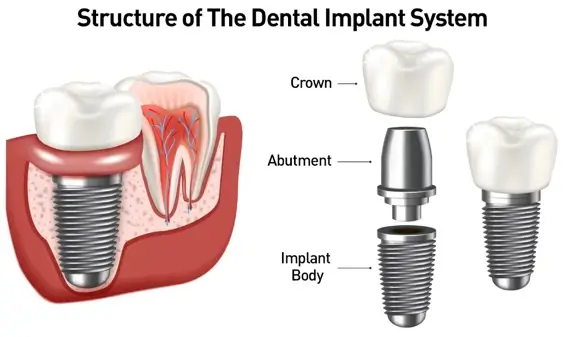
Dental implants are becoming increasingly popular in Thailand as a long-lasting solution to missing teeth. They look natural, feel comfortable, and can restore confidence when eating, speaking, or smiling. While implants are designed to be strong and durable, they are not indestructible. Just like natural teeth, they require proper care and attention. Unfortunately, certain everyday habits can quietly damage dental implants over time, leading to discomfort, costly repairs, and even implant failure.
In this article, we’ll explore the top daily habits that can harm your dental implants, along with tips on how to break these habits and protect your smile.
---
### 1. **Chewing Hard or Sticky Foods**
One common issue in Thailand is the love for snacks like dried squid, crispy pork, or sticky rice desserts. While delicious, these foods can put excessive pressure on your implants. Chewing hard items like ice cubes or biting into crab shells can cause tiny cracks in the crown or loosen the implant post. Sticky foods can pull at the crown and affect its stability.
**Tip:** Swap hard snacks for softer options, and cut sticky foods into smaller pieces to minimise strain. Remember to chew gently on both sides to distribute pressure evenly.
---
### 2. **Teeth Grinding (Bruxism)**
Many people grind their teeth at night without even realising it. In Thailand’s hot climate, stress and irregular sleep can make bruxism more common. Grinding exerts strong forces on dental implants, which may cause them to loosen or damage the surrounding gums.
**Tip:** If you wake up with jaw soreness or headaches, speak to your dentist about getting a night guard. This protective device will act as a cushion, reducing the impact of grinding on your implants.
---
### 3. **Poor Oral Hygiene Habits**
Even though implants cannot decay like natural teeth, the gums and bone around them can still suffer from infection. Poor brushing or skipping flossing allows plaque to build up, leading to peri-implantitis – a condition similar to gum disease that can eventually cause implant failure.
**Tip:** Brush twice a day using a soft-bristled toothbrush, and floss daily using implant-safe floss or interdental brushes. In Thailand, where many people enjoy sweet drinks like iced milk tea, it’s even more important to rinse your mouth after consuming sugary items.
---
### 4. **Using Teeth as Tools**
Opening bottle caps, tearing plastic packaging, or holding pins with your teeth may seem convenient, but it’s one of the fastest ways to damage dental implants. Even if your implant feels strong, these actions can cause cracks and lead to long-term issues.
**Tip:** Keep scissors or a bottle opener nearby. Treat your teeth – whether natural or implanted – as tool
s only for eating.
---
### 5. **Smoking and Excessive Alcohol Consumption**
Smoking is known to slow down healing after implant surgery, but even long after getting your implants, it can cause reduced blood flow in the gums and weaken the bone structure. Excessive alcohol can also dry out the mouth, encouraging bacterial growth.
**Tip:** If quitting smoking feels challenging, start by reducing your daily intake. For alcohol, try alternating each drink with a glass of water, especially when enjoying social nights at a beach bar in Phuket or Koh Samui.
---
### 6. **Skipping Dental Check-Ups**
Many people only visit the dentist when they feel discomfort. However, regular check-ups are essential for catching early signs of implant trouble, such as gum inflammation or minor loosening. In Thailand, dental clinics are relatively affordable, yet skipping check-ups is still common.
**Tip:** Schedule a dental visit at least twice a year. A quick professional cleaning can remove plaque from places your toothbrush cannot reach, keeping your implants and gums healthy.
---
### 7. **Constant Snacking and Sugary Drinks**
Thai iced tea, bubble milk tea, and sweetened herbal drinks are part of everyday life here, especially under the hot sun. Unfortunately, these habits can feed bacteria that cause gum problems around implants. Frequent snacking also means more food residue stays in your mouth for longer periods.
**Tip:** Limit sweet drinks to mealtimes instead of sipping all day. Rinse your mouth with water after drinking, or chew sugar-free gum to encourage saliva flow and wash away bacteria.
---
### 8. **Ignoring Early Warning Signs**
Mild discomfort, redness around the gums, or slight movement of the crown might seem harmless at first. But with dental implants, problems can progress quickly. Ignoring symptoms increases the risk of needing complex repair work.
**Tip:** Pay attention to your mouth. If anything feels unusual, visit your dentist immediately – early intervention can save your implant.
---
### Conclusion: Protecting Your Investment
Dental implants are not just a medical procedure; they are an investment in your health, appearance, and confidence. In Thailand, where many people enjoy a variety of flavourful foods and busy lifestyles, it’s easy to develop habits that put stress on your implants without realising it. By being mindful of daily actions – from chewing habits to oral hygiene – you can extend the life of your implants and maintain a healthy, beautiful smile.
Think of your dental implants like a valuable property: with regular care and maintenance, they can remain in top condition for decades. Break harmful habits, keep up with professional check-ups, and treat your implants with care every day, and you’ll enjoy the benefits for years to come.