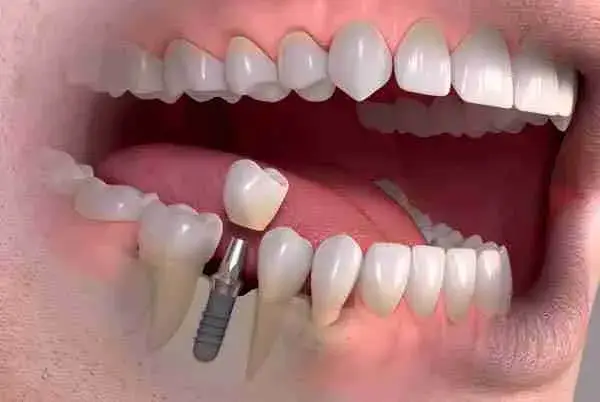
Best Mouthwash to Use After Dental Implant Surgery
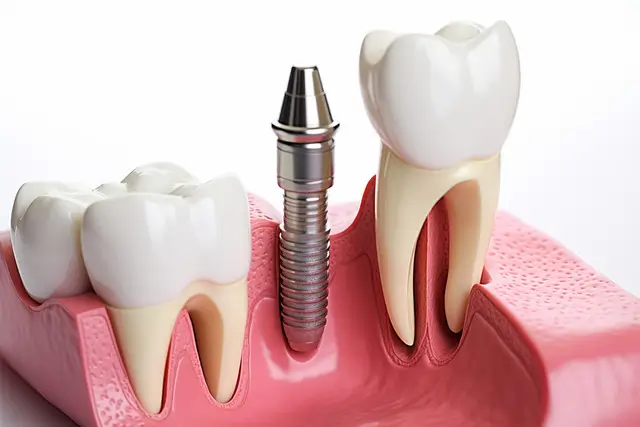
Best Mouthwash to Use After Dental Implant Surgery
**Best Mouthwash to Use After Dental Implant Surgery**
Getting dental implant surgery is a big step towards restoring your smile and improving your oral health. In Thailand, more and more people are choosing implants because they look natural and function just like real teeth. But after the procedure, taking care of your gums and the surrounding area is very important. One key part of the healing process that’s often overlooked is choosing the right mouthwash. If you use the wrong type, you could slow down healing or even cause irritation. So, what is the best mouthwash to use after dental implant surgery, and how can you make sure your recovery goes smoothly? Let’s go through everything you need to know.
---
### Why Mouthwash Matters After Dental Implant Surgery
After dental implants are placed, your gums need time to heal and integrate with the implant post. During this stage, your mouth is more sensitive and prone to infection. In Thailand’s warm climate, bacteria can grow quickly if oral hygiene is not maintained properly. Mouthwash helps keep your mouth clean, especially when brushing may be difficult in the first few days. It reduces the risk of infection, controls bad breath, and supports overall healing.
However, not all mouthwashes are suitable right after surgery. Alcohol-based formulas can sting, cause dryness, and delay tissue recovery. Strong whitening mouthwashes are also too harsh for fresh wounds.
---
### Recommended Mouthwash for Post-Implant Care
**1. Chlorhexidine Mouthwash (0.12% or 0.2%)**
This is the gold standard recommended by most dentists in Thailand and worldwide. Chlorhexidine kills a wide range of bacteria and forms a protective coating over the surgical site. This helps prevent infection and gives your gums more time to heal. It’s usually prescribed for use twice daily for 1–2 weeks after the surgery.
When using chlorhexidine, avoid rinsing your mouth with plain water immediately afterwards, as it can wash away its protective effect. Also, be aware that long-term use can cause temporary staining of teeth, which professional cleaning can remove later on.
**2. Alcohol-Free Antiseptic Mouthwash**
If chlorhexidine is not available or you prefer something milder, an alcohol-free antiseptic mouthwash with ingredients like cetylpyridinium chloride or essential oils can work well. These formulas are gentler on sensitive tissue while still reducing harmful bacteria. Many Thai pharmacies and dental clinics carry these products specifically for post-surgery care.
**3. Mild Salt Water Rinse**
This traditional method, well-known in Thailand, is simple, natural, and effective. Dissolve half a teaspoon of salt in a glass of warm water and gently rinse your mouth for 30 seconds. The salt solution helps soothe inflammation and supports wound healing without any chemicals. While not a replacement for antiseptic mouthwash, it’s good for additional daily rinses, especially for those who want a more natural option.
---
### How to Use Mouthwash Safely Af
ter Dental Implant Surgery
Your dentist will give you specific instructions, but here are general tips most practitioners in Thailand recommend:
- **Start rinsing 24 hours after surgery** unless your dentist says otherwise.
- **Avoid vigorous swishing**—instead, gently let the liquid move around your mouth.
- **Use the right amount**—most mouthwashes require only 15–20 ml per rinse.
- **Do not eat or drink** for at least 30 minutes after rinsing to allow the solution to work.
- **Stick to the schedule** recommended by your dentist, usually twice a day.
---
### Common Mistakes to Avoid
Many patients make mistakes without realizing the impact. To ensure your implants heal properly:
- **Don’t use alcohol-based products** in the early healing phase—they can cause pain and dry out the tissue.
- **Don’t use whitening mouthwashes** or strong mint flavors, which may irritate wounds.
- **Avoid overuse**—too much mouthwash can disturb the natural balance of bacteria in your mouth.
---
### Choosing the Right Mouthwash in Thailand
Thailand has a wide range of mouthwashes available, from local brands to international products. Look for the following when you shop:
- **“Alcohol-free” label** for gentle care.
- **Medicinal ingredients** like chlorhexidine or cetylpyridinium chloride.
- **Dentist-recommended brands**—often available directly from your dental clinic.
- **Clear instructions in English or Thai** so you use it correctly.
If you’re unsure, it’s always best to buy from your dentist. They will give you the exact product suited for your healing stage.
---
### Additional Tips for Faster Recovery
Mouthwash is only one part of your recovery routine. For best results after dental implant surgery:
- **Brush carefully** with a soft-bristled toothbrush, avoiding direct contact with the surgical site for the first few days.
- **Eat soft foods**—popular Thai choices like boiled rice soup (khao tom) are gentle on your mouth and reduce chewing strain.
- **Stay hydrated**—drink plenty of water to keep your mouth moist and support healing.
- **Follow all dental instructions**—even if your gums feel better, complete the full course of antiseptic rinses.
---
### Final Thoughts
Choosing the best mouthwash after dental implant surgery can make a big difference in how quickly and comfortably you recover. In Thailand, most dentists recommend chlorhexidine for its proven antibacterial properties, but alcohol-free antiseptic solutions or salt water rinses can also be effective, depending on your situation. The key is to select a gentle, non-irritating formula and use it exactly as directed by your dentist. Combine proper mouthwash use with overall good oral hygiene and a soft diet, and your implants will have the best chance to heal perfectly—giving you a confident smile for years to come.
---
If you want, I can also **add SEO-enhanced meta descriptions and keyword suggestions** so this article ranks better in Google Thailand. Would you like me to do that?