What Causes Pressure Pain Around Implants
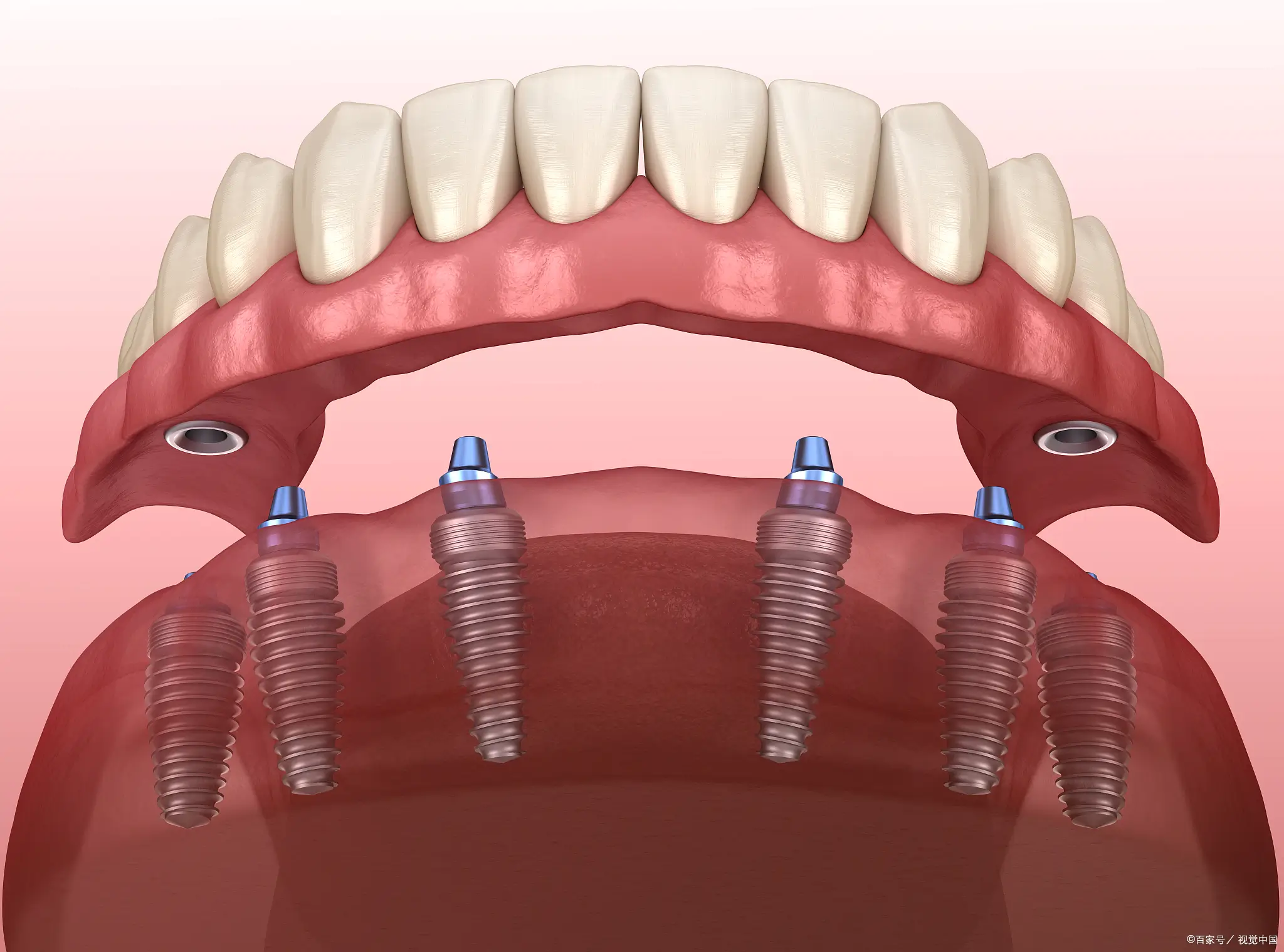
What Causes Pressure Pain Around Implants
**What Causes Pressure Pain Around Implants**
Dental implants have become increasingly popular in Thailand as a long-term solution for missing teeth. They not only restore your smile but also help maintain proper chewing function and jawbone health. While implants are known for their durability, it’s not uncommon for some people to experience pressure pain around them — especially after eating, during brushing, or when biting down. Understanding what causes this discomfort can help you take the right steps to protect your oral health and prolong the life of your implant.
### **1. Healing and Adjustment Period**
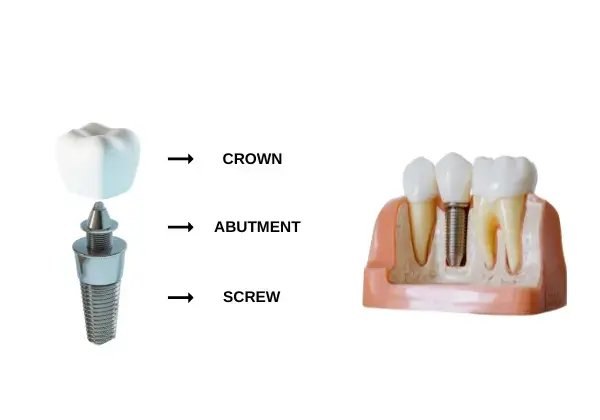
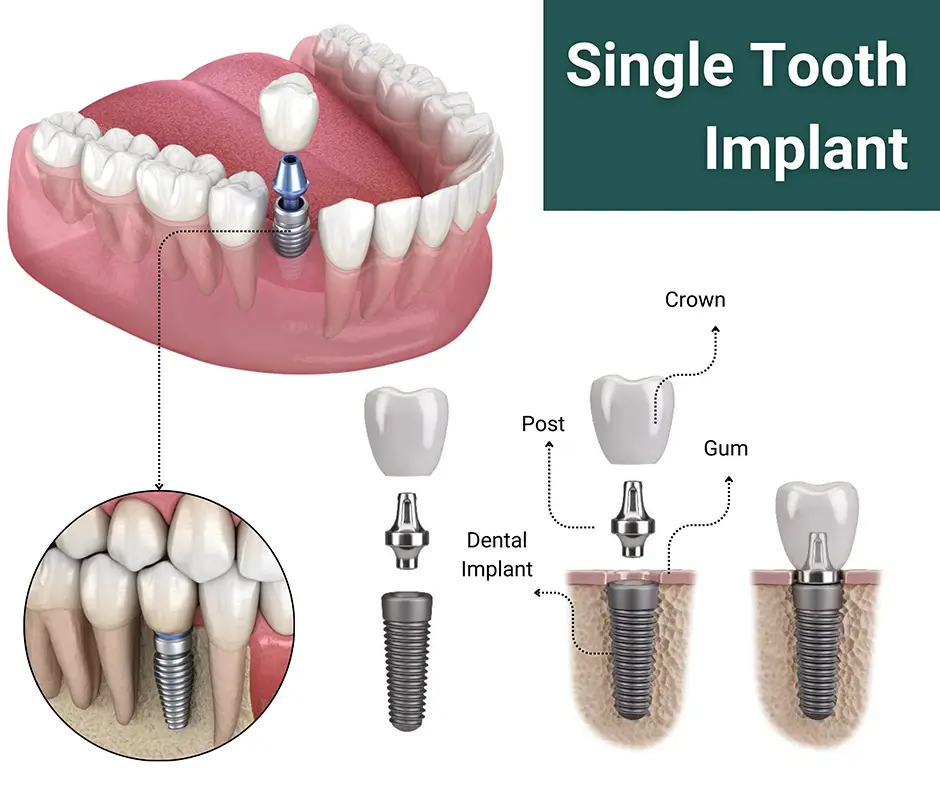
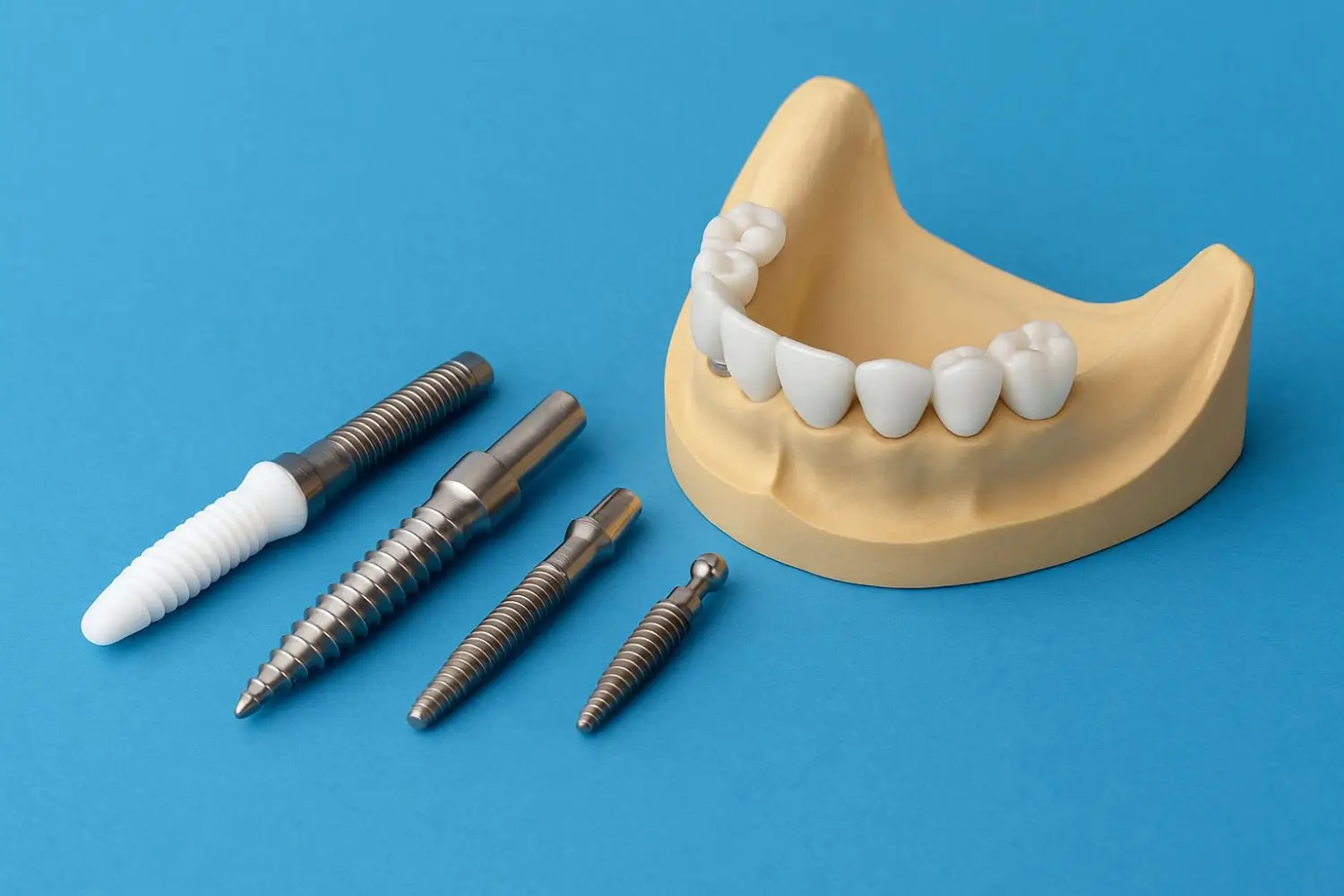
After an implant is placed, your mouth needs time to heal and adapt. In the first few weeks, it’s normal to feel a bit of tenderness or mild pressure in the area. The body is integrating the titanium post into the jawbone, a process called osseointegration. During this time, minor discomfort is usually temporary and should gradually improve. In Thailand, dentists often advise patients to avoid very hard or sticky foods in this period to reduce unnecessary pressure. If pain persists beyond the expected healing window, it’s worth getting a check-up to rule out other issues.
### **2. Gum Inflammation or Infection**
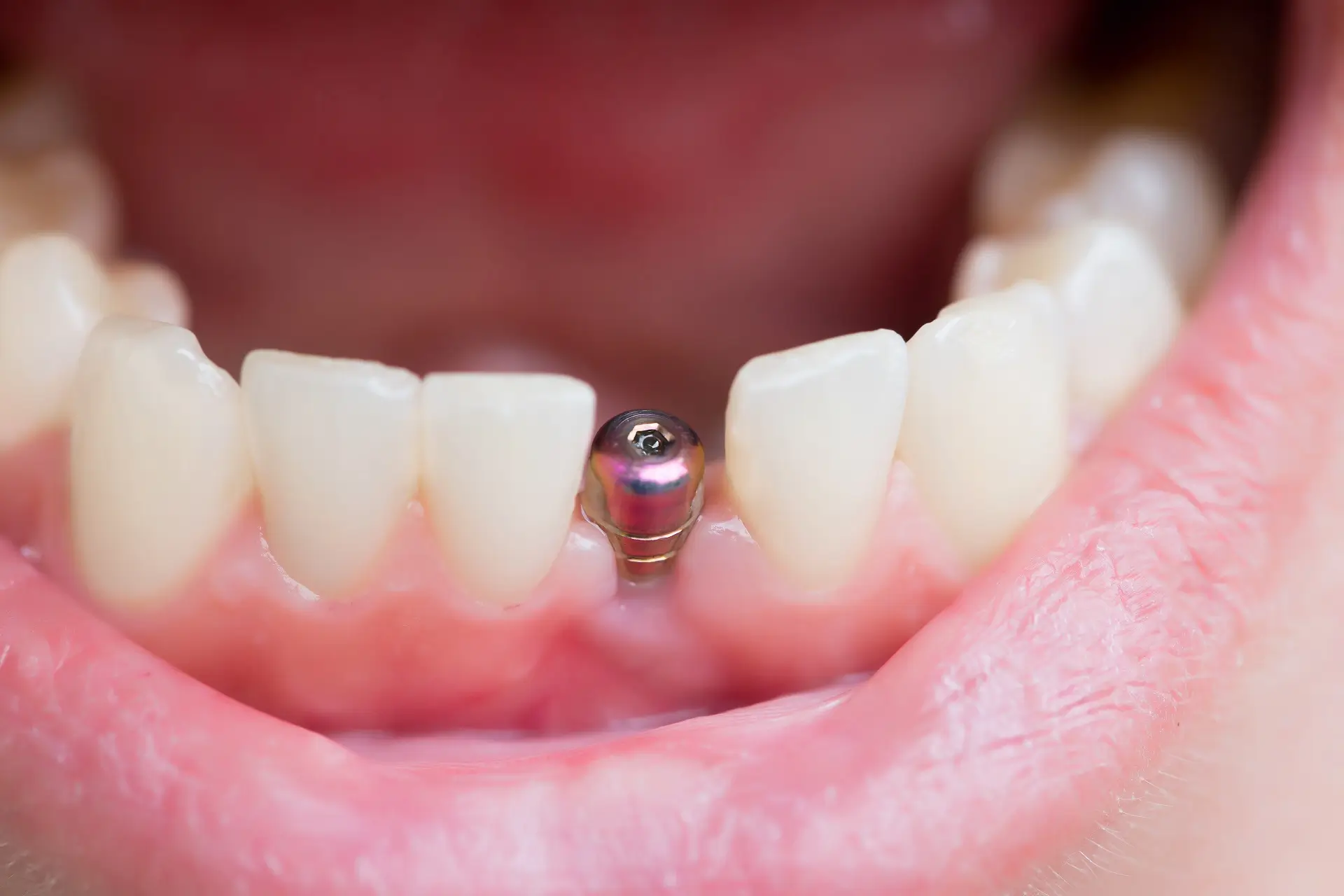
Pressure pain can sometimes be a sign of gum inflammation around the implant. This condition, known as *peri-implant mucositis*, happens when bacteria build up around the implant base, irritating the gum tissue. Without proper cleaning, it can progress to *peri-implantitis*, which affects the supporting bone. In Thailand’s tropical climate, higher humidity and warmth can mean bacteria multiply faster if oral hygiene is not maintained. Regular brushing, flossing, and using mouthwash recommended by your dentist can greatly reduce this risk.
### **3. Bite Misalignment**
Even the most carefully placed implant can sometimes feel uncomfortable if your bite isn’t balanced. If the crown on your implant is slightly too high or your natural teeth have shifted over time, pressure points can develop. This leads to discomfort especially when chewing foods like sticky rice or crunchy papaya salad. A qualified dentist can make small adjustments to your crown’s shape or height, ensuring that the pressure is evenly distributed when you bite down.
### **4. Excessive Force from Chewing Habits**
Some people naturally chew more on one side of the mouth, or have habits such as grinding at night. These actions can put extra strain on implants, causing localized pressure pain. Teeth grinding, or *bruxism*, is surprisingly common in Thailand due to stress and lifestyle factors. A dental night guard can help protect implants from this repeated force, preventing long-term damage.
### **5. Bone Loss Around the Implant**
Healthy bone tissue is essential for implant stability. If the bone around an implant
starts to shrink or deteriorate, it can make the implant feel less secure and cause pain when pressure is applied. Bone loss can happen due to untreated gum disease, poor oral hygiene, or systemic health conditions. In such cases, dentists may recommend bone grafting or other restorative treatments to rebuild the support structure.
### **6. Sinus Issues for Upper Implants**
For implants placed in the upper jaw, especially near the back teeth, sinus-related problems can sometimes contribute to discomfort. If sinus cavities are very close to the implant site, pressure changes from allergies or sinus infections can create a painful sensation. This is why many Thai dentists carefully check sinus health before planning upper jaw implants.
### **7. Implant Loosening or Mechanical Problems**
Though rare, an implant post or crown can become loose due to mechanical wear, improper bonding, or underlying structural problems. A loose implant will almost always cause discomfort when chewing or brushing. Routine check-ups allow dentists to detect these issues early and make necessary repairs before they become more serious.
### **How to Reduce Pressure Pain Around Implants**
If you experience ongoing discomfort, it’s best not to ignore it. Here are some practical steps commonly recommended by dentists in Thailand:
- **Regular dental visits**: Have your implants checked at least twice a year.
- **Good oral hygiene**: Brush and floss daily, paying attention to the gum line.
- **Diet adjustments**: Limit very hard foods like dried squid or overly sticky desserts.
- **Night guard wear**: If you grind your teeth, use a custom night guard.
- **Treat gum disease promptly**: Early-stage inflammation can be reversed with professional cleaning and care.
### **When to See a Dentist Urgently**
You should book an appointment immediately if you notice:
- Intense, persistent pain
- Swelling or redness around the implant site
- Bleeding when brushing or flossing
- Implant mobility or movement
Acting early not only relieves discomfort but also prevents further complications that could endanger the implant’s longevity.
### **Final Thoughts**
Pressure pain around implants is a sign that something in your mouth needs attention. Sometimes it’s just part of the normal healing process, but it can also indicate underlying issues like inflammation, bite imbalances, or bone changes. In Thailand, with easy access to modern dental clinics and experienced implant specialists, most problems can be diagnosed and treated quickly.
By staying alert to changes and maintaining consistent dental care, you can ensure your implant remains strong, comfortable, and functional for many years to come. The sooner you address discomfort, the better your chances of keeping your confident smile — without the worry of ongoing pain.