Thailand Soft Food Diet After Implant Surgery – What to Eat
Thailand Soft Food Diet After Implant Surgery – What to Eat
**Thailand Soft Food Diet After Implant Surgery – What to Eat**
Dental implant surgery is becoming increasingly popular in Thailand due to the country’s advanced dental care and affordable prices. Whether you’ve had your procedure done in Bangkok, Chiang Mai, or Phuket, one crucial part of recovery is following a proper soft food diet. Eating the right foods after implant surgery not only helps with healing but also ensures you avoid complications during the recovery process.
This guide will walk you through what you can eat, why it matters, and some tasty options that suit the Thai palate while keeping your implants safe during the healing phase.
---
### Why a Soft Food Diet Is Important After Implant Surgery
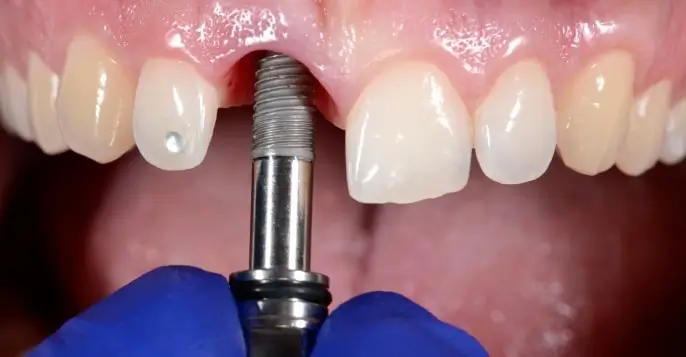
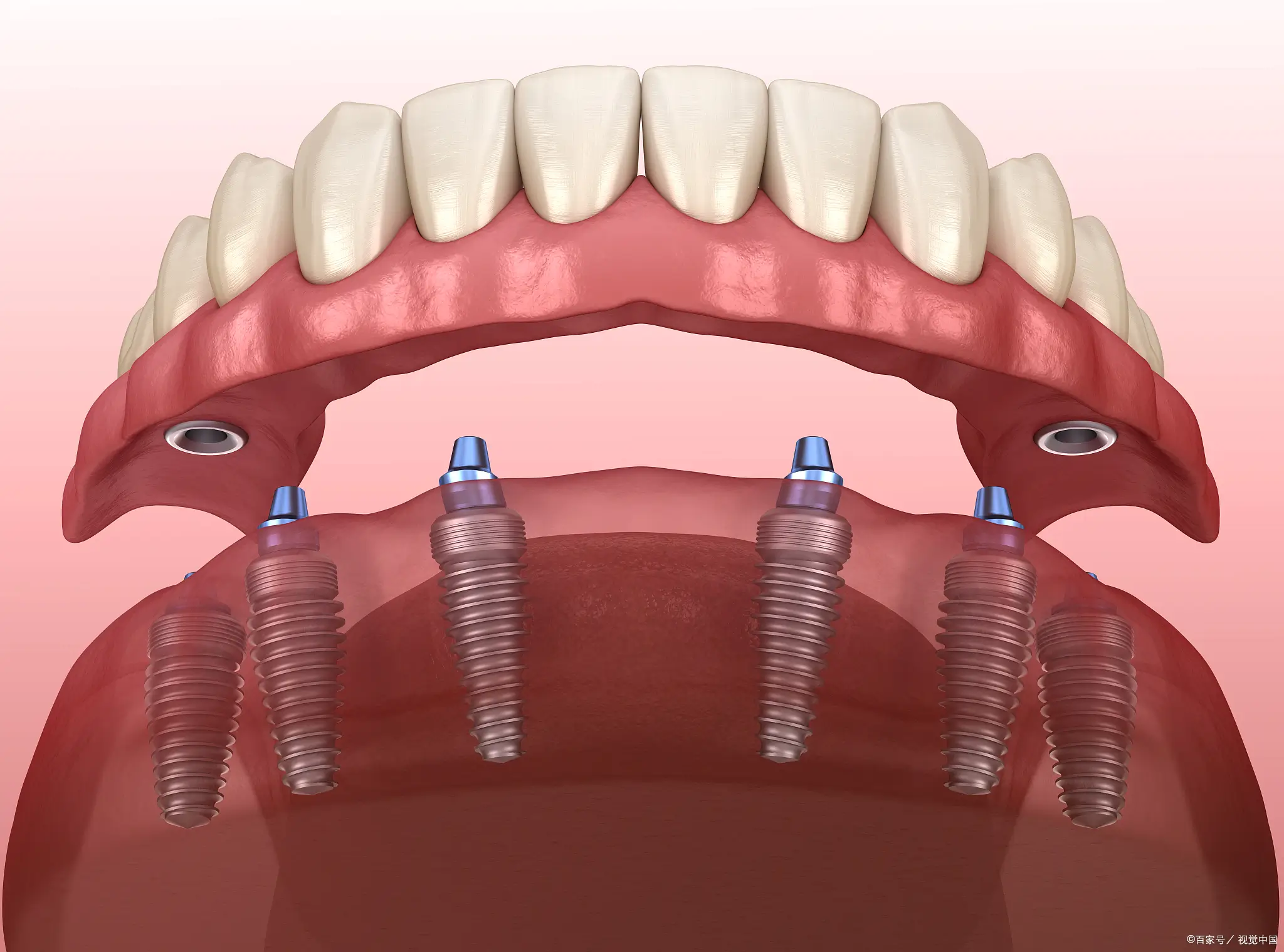
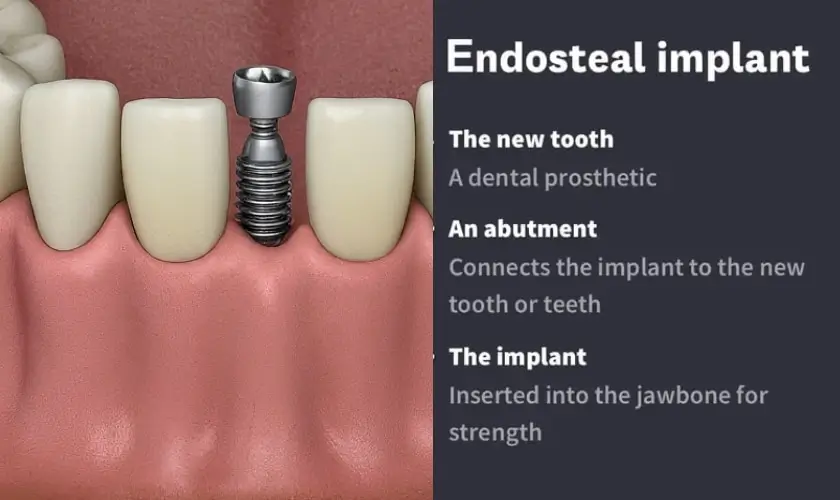
Dental implant surgery involves placing a titanium post into your jawbone to act as an artificial tooth root. In the first few days—and sometimes weeks—after the procedure, your gums and surrounding tissues are sensitive. Chewing hard or sticky foods can cause pressure on the implant site, slow down healing, or even lead to implant failure.
A soft food diet reduces strain on the area, minimizes pain, and supports recovery. It also helps prevent infections by avoiding foods that might aggravate the surgical wound.
---
### How Long Should You Stay on a Soft Food Diet?
Most dentists in Thailand recommend keeping to a soft food diet for at least 5–7 days after surgery. However, the exact duration depends on the complexity of your procedure and your healing progress. For patients who’ve undergone multiple implants, bone grafts, or sinus lifts, it might take 2–3 weeks before they can comfortably return to normal eating. Always follow your dentist’s specific recommendations.
---
### What to Eat After Implant Surgery in Thailand
When we say “soft food,” we mean foods that require minimal chewing and are easy to swallow. Fortunately, Thailand has many gentle, flavorful options that fit perfectly with post-surgery recovery.
#### 1. **Khao Tom (Thai Rice Soup)**
Khao Tom is one of the best choices after dental implant surgery. Made by boiling rice until it’s soft and easy to swallow, it’s often served with minced pork, chicken, or fish. For recovery, choose finely shredded meat to avoid chewing. You can add soft vegetables like pumpkin or carrot, but make sure they’re well-cooked until tender.
#### 2. **Congee or Jok**
Similar to Khao Tom but thicker, Jok is a comforting breakfast dish in Thailand. Its smooth texture makes it perfect for sensitive gums. Go for a plain version or lightly seasoned, avoiding crunchy toppings like fried garlic or crispy dough sticks for the first week.
#### 3. **Steamed Eggs (Kai Toon)**
Kai Toon is a silky steamed egg custard that melts in your mouth. It’s high in protein, gentle to chew, and easy to digest. Adding a small amount of minced meat or tofu can give extra nutrition without affecting texture.
#### 4. **Mashed Sweet Potato or Pumpkin**
Thailand grows plenty of sweet potatoes and pumpkins, both of which can be mashed into a soft, creamy dish. These are rich in vitamins A and C, supporting tissue repair.
#### 5. **Fruit Smoothies**
A fresh banana smo
othie or mango blend offers vitamins while staying gentle on your teeth. Use ripe fruit, remove any seeds, and avoid adding ice, which may cause sensitivity. For extra protein, mix in unsweetened yogurt.
#### 6. **Soft Tofu Soup**
Tofu is popular in Thai-Chinese cooking and is an excellent source of plant-based protein. Soft tofu cooked in a light broth with finely chopped vegetables offers a nourishing, chew-free meal.
#### 7. **Yogurt**
Plain yogurt is soothing, packed with probiotics that support gut health, and easy to eat. Avoid versions with crunchy granola or seeds that can irritate your gums.
---
### Foods and Drinks to Avoid
Even though Thailand’s food culture is rich in textures and flavors, some dishes are best avoided until your implant site has healed:
- **Sticky rice** – Even though a staple, it requires chewing and can stick to the wound.
- **Spicy and sour dishes** – Popular Thai flavors can irritate sensitive gum tissue and cause discomfort.
- **Crunchy fried snacks** – Crispy chips, fried garlic, or pork rinds can damage the healing site.
- **Seeds and nuts** – They may get stuck and cause infection.
- **Carbonated or alcoholic drinks** – Can slow healing and interfere with blood clot formation.
---
### Tips for Eating Comfortably During Recovery
- **Eat smaller portions** to avoid strain and make chewing easier.
- **Use a spoon instead of a fork** for better control over food placement.
- **Chew on the opposite side** of your mouth from where the implant was placed.
- **Stay hydrated** but opt for room-temperature water instead of iced drinks.
- **Rinse gently after meals** with salt water to keep the surgical site clean without disturbing healing tissue.
---
### Balancing Nutrition With Soft Food Choices
While comfort is important, recovery also depends on maintaining good nutrition. Protein helps rebuild tissue, vitamins strengthen your immune system, and healthy fats support healing. Try combining Thai flavors with soft textures, such as adding soft scrambled eggs to rice porridge or blending ripe papaya with yogurt for a tropical soft snack.
---
### The Role of Professional Advice
Every recovery journey is unique. Thai dental clinics often schedule follow-up appointments to check healing progress. This is the best time to ask your dentist before reintroducing harder foods like grilled chicken or fresh salad. Listening to expert advice ensures your implant integrates properly with your jawbone and lasts for many years.
---
### Final Thoughts
A soft food diet after dental implant surgery is more than just comfort—it’s a key part of ensuring your treatment succeeds. Thailand offers a wealth of gentle, nutritious options that make recovery both delicious and healing-friendly. By choosing dishes like Khao Tom, Jok, Kai Toon, and soft tofu soup, you can enjoy traditional Thai flavors while protecting your new implant.
Stick to soft, easy-to-chew foods in the days following your surgery, avoid irritants, and follow your dentist’s guidance. With the right care and a mindful diet, you’ll be ready to return to your favorite Thai meals, smiling with confidence.